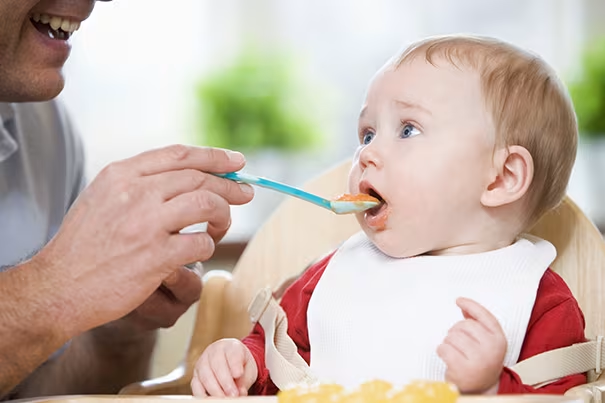
Homemade baby food: how to make baby food


Now that your little one is ready for solids, you may want to consider making your own baby food rather than buying commercially prepared brands. Homemade baby food can be just as delicious and nutritious as shop-bought versions, providing all the critical nutrients needed for good health and growth. And if you enjoy cooking, this is a great way to expand your culinary skills.
Here are some more good reasons to make your own Baby Foods:
Rest assured that no matter which type of food you serve, home-cooked or commercially prepared, your baby will grow and thrive.

Preparation and Cooking
Follow these tips for preparing and cooking the food that you'll serve your baby.
Your baby will learn to love the flavour of fresh, unseasoned foods. Know more about proven tips on making your own baby food here with Pampers India.
Equipment and Supplies
Other than basic kitchen cooking equipment, you'll only need a few extra pieces:
If you decide to make large batches of baby food and freeze for later use, you'll also need these items:

Making Baby Food from Everyday Foods
Adapting the foods that you normally serve at meal times is a great way to start exposing your child to the flavours and foods that older kids and adults typically eat.
Just follow these guidelines:
Making Baby Food for Later Use
With these helpful tips and all your love your baby will have wonderful nutritious meals which will save you money. Want to know the right time to wean a baby? Learn about how to wean a baby off breastfeeding with our expert tips from Pampers India.
Get tips on healthy foods for babies and when it's best to start weaning your baby off breast feed.
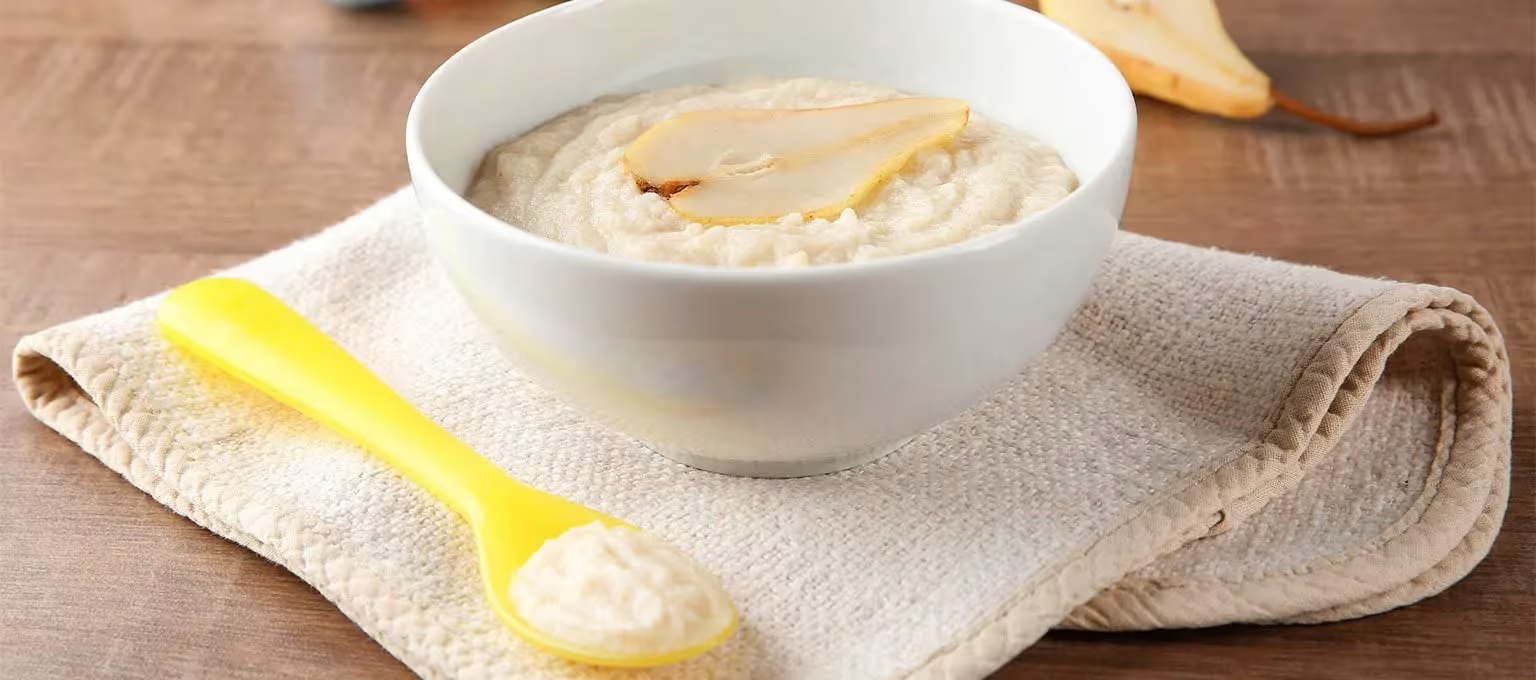
When Can You Introduce Rice Cereal to Your Baby
Learn about feeding your baby rice cereal: safety, alternatives, frequency, and preparation. Get answers to common questions about infant cereals and feeding methods.
Read more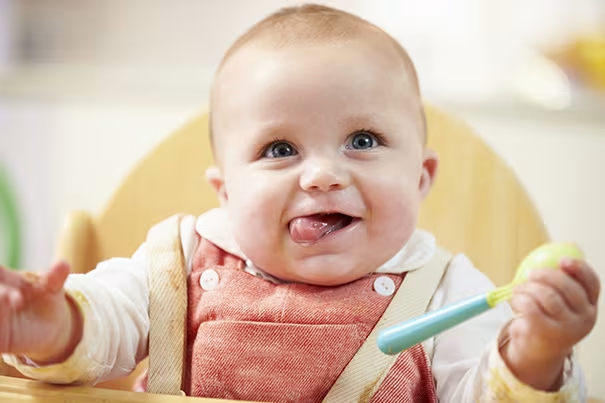
Starting solid foods: one at a time
Is your baby ready for solid food? Learn how to slowly start feeding solid foods to babies and what you should consider. Visit Pampers India for more tips on baby care.
Read more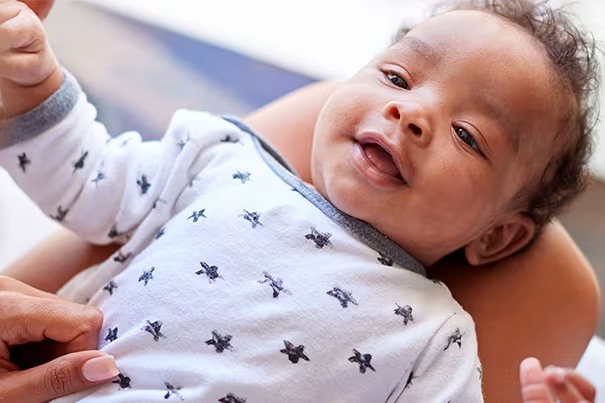
Making your own baby food
Learn tips on how to make baby food & care to be taken while preparing solid foods for your baby. Try these proven baby foods ideas from Pampers India.
Read more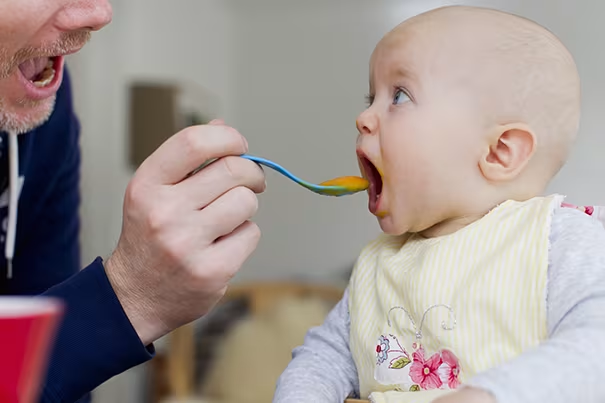
Weaning: Starting Solid Food for Babies
Find out the best time to introduce solid foods to your baby by using our easy guide about the signs and signals they will be showing Visit Pampers India for more information on baby care.
Read more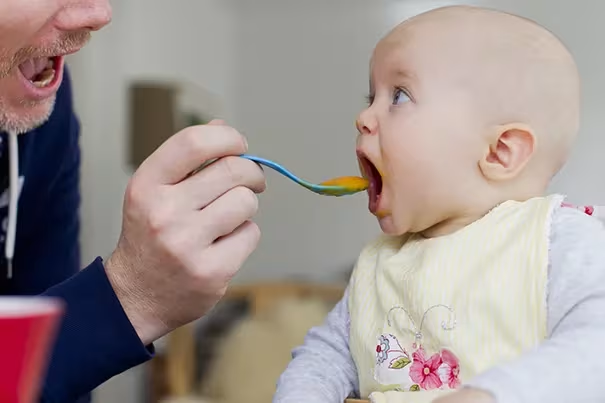
Comprehensive Guide to Weaning Foods for Babies: Starting Solid Foods
Explore the best weaning foods for baby led weaning, including a comprehensive blw menu from 6 months old and onwards. Get healthy infant weaning food options now.
Read more20 Healthy Baby Food Recipes You Can Make At Home
Try 20 healthy baby food recipes that you can make at home to provide nutritious meals for your infant. Babyfood recipes recommended by experts.
Read moreWhen Can You Introduce Rice Cereal to Your Baby
Learn about feeding your baby rice cereal: safety, alternatives, frequency, and preparation. Get answers to common questions about infant cereals and feeding methods.
Read moreStarting solid foods: one at a time
Is your baby ready for solid food? Learn how to slowly start feeding solid foods to babies and what you should consider. Visit Pampers India for more tips on baby care.
Read moreMaking your own baby food
Learn tips on how to make baby food & care to be taken while preparing solid foods for your baby. Try these proven baby foods ideas from Pampers India.
Read moreWeaning: Starting Solid Food for Babies
Find out the best time to introduce solid foods to your baby by using our easy guide about the signs and signals they will be showing Visit Pampers India for more information on baby care.
Read moreComprehensive Guide to Weaning Foods for Babies: Starting Solid Foods
Explore the best weaning foods for baby led weaning, including a comprehensive blw menu from 6 months old and onwards. Get healthy infant weaning food options now.
Read more20 Healthy Baby Food Recipes You Can Make At Home
Try 20 healthy baby food recipes that you can make at home to provide nutritious meals for your infant. Babyfood recipes recommended by experts.
Read moreWhen Can You Introduce Rice Cereal to Your Baby
Learn about feeding your baby rice cereal: safety, alternatives, frequency, and preparation. Get answers to common questions about infant cereals and feeding methods.
Read moreStarting solid foods: one at a time
Is your baby ready for solid food? Learn how to slowly start feeding solid foods to babies and what you should consider. Visit Pampers India for more tips on baby care.
Read more