Chicken Pox in Babies and Toddlers, and During Pregnancy


It used to be that getting chicken pox was a normal yet very uncomfortable part of growing up, but luckily that no longer has to be the case. Early immunization can help prevent your baby or toddler from contracting the virus. If your little one does get chicken pox, there are steps you can take to alleviate the symptoms. If you are pregnant and have not yet had chicken pox or the varicella vaccine, keep reading to learn more about your treatment options should you catch the virus and how you can help protect both yourself and your baby.

What Is Chicken Pox?
Chicken pox, also known as varicella, is a contagious infection caused by the varicella-zoster virus. It usually doesn't cause serious illness in children, but it can result in complications like pneumonia in adults. The incubation period for chicken pox is between 14 and 16 days after exposure, so you may not know that you or your child has the virus until symptoms appear.
There are two ways to become immune to the virus:
If you've already had chicken pox, you will likely be immune to it for the rest of your life.

Chicken Pox Symptoms
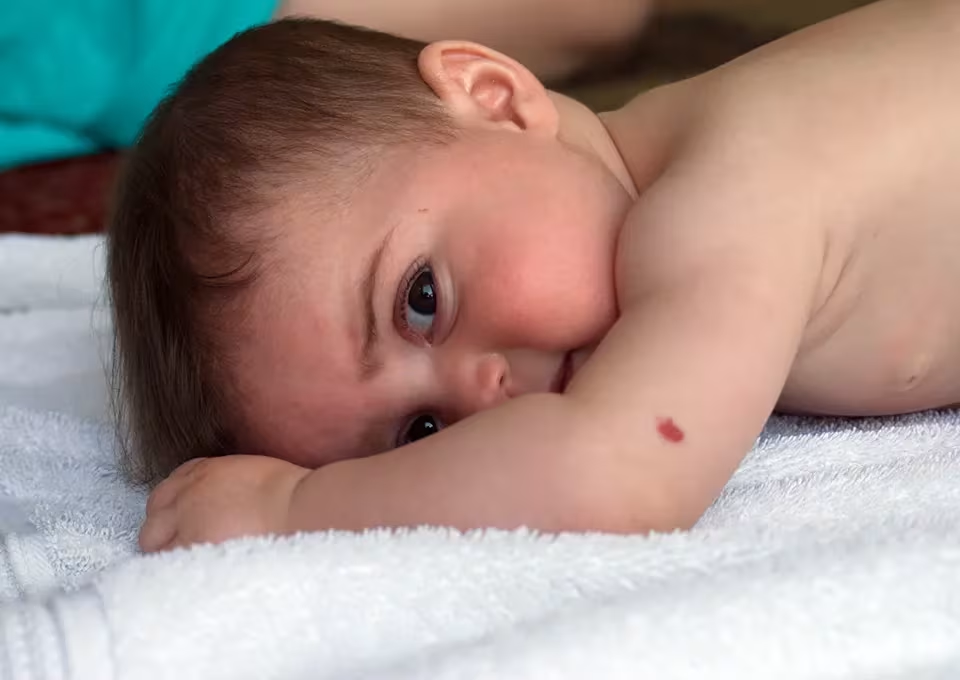
Signs of chicken pox may include:
When Is Chicken Pox Contagious?
Chicken pox is highly contagious, and the infectious period starts a few days before the rash appears and may last until 24 hours after all the blisters have dried up and crusted over. If your little one gets chicken pox, it's best to keep them home during this period to avoid spreading the infection to others.
It’s also a good idea to inform your healthcare provider immediately and alert other parents whose children your child may have come in contact with during the contagious period.
As is true for other childhood illnesses, chicken pox will usually clear up after about a week or 10 days.
Chicken Pox Treatment
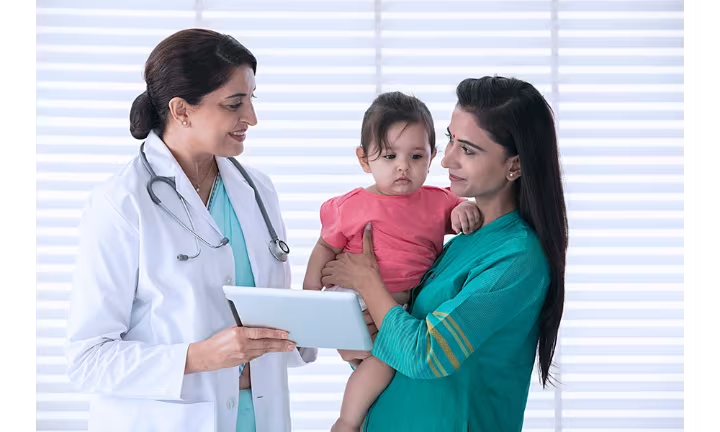
Check with your healthcare provider about the best treatment for your baby and for advice on medications and dosages. Call your healthcare provider right away if your child develops a skin infection, has trouble breathing, or has a temperature higher than 102 degrees Fahrenheit.
Chicken pox is very itchy, uncomfortable, and challenging for kids of any age. These are some ways to treat your child's discomfort and help promote healing during an outbreak:
Preventing Chicken Pox in Toddlers, Kids, and Adults
Avoid contact with anyone infected with chicken pox and/or shingles, which is another infection caused by the chicken pox virus. The virus can spread by touching an infected person's rash or even through the air when that person coughs or sneezes. Most children with a sibling who has chicken pox will also eventually get the infection if they haven't already been vaccinated. Early toddlerhood is the first opportunity to get your child vaccinated, usually afteryour baby turns 12 months old.
If you (or your partner) have never had chicken pox or the vaccine, you could be at high risk of contracting the disease, especially if you work in healthcare or child care, serve in the military, or travel frequently. You, too, should consider getting the vaccinations administered four to eight weeks apart. If you aren't sure you've had chicken pox, a simple blood test through your provider can determine whether you're immune.
Chicken Pox in Infants
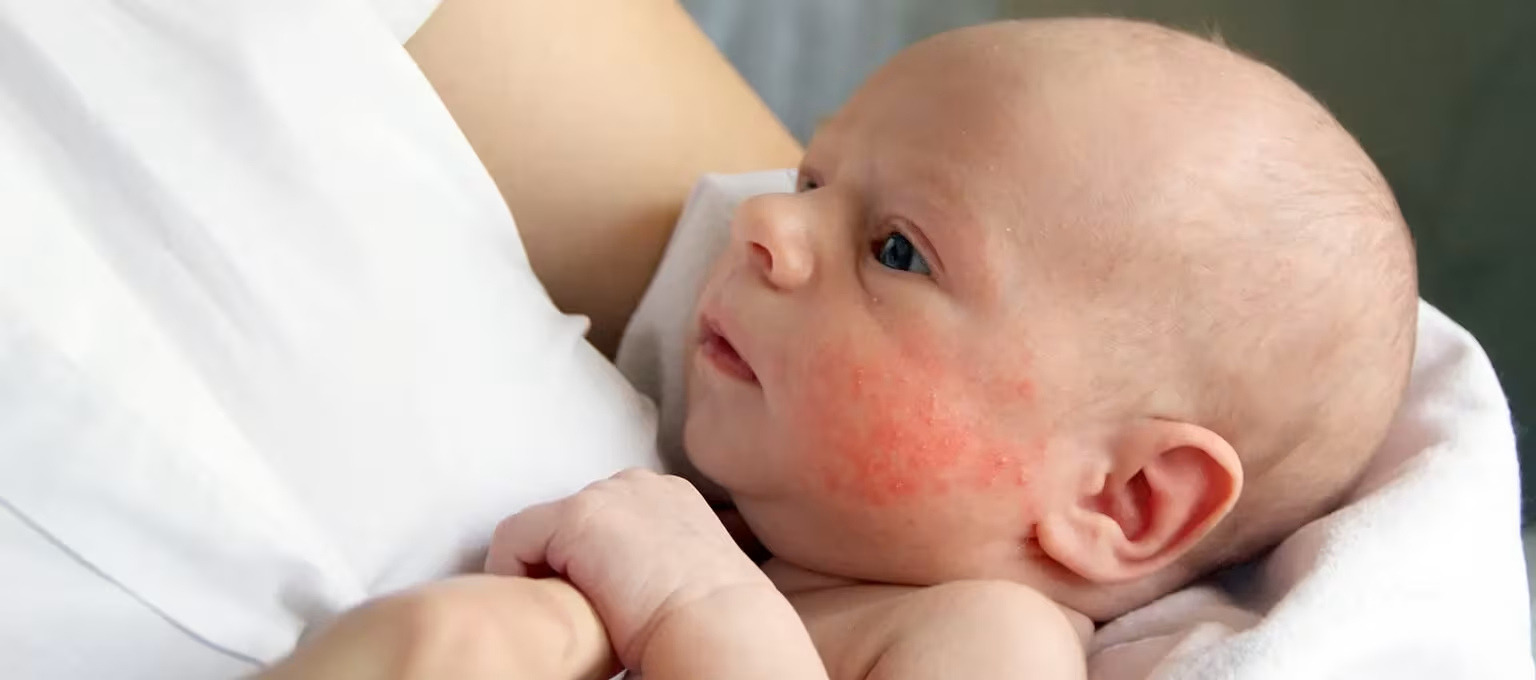
Chicken pox is usually a mild disease, but it can be serious in babies under 12 months, especially if born prematurely or with a compromised immune system.
If you, as the parent, have had chicken pox during your life, your baby will be immune to the virus for the first few months after birth.
If your infant is less than a year old and contracts chicken pox, consult your healthcare provider immediately.
Chicken Pox During Pregnancy
If you haven't had the virus yet and haven’t received the vaccination, you may be at risk of contracting chicken pox during pregnancy and passing it on to your baby.
If you contract chicken pox in the first 28 weeks of your pregnancy, there is a small chance of your baby getting congenital varicella syndrome. In this case, your baby may be born with scarring or low birth weight or have other serious complications.
If you contract the virus between five days before birth and two days after birth, your newborn can contract neonatal varicella. The symptoms of this condition include a severe rash, which needs treatment immediately.
If you haven't had chicken pox yet, the best way to guard yourself and your baby against the infection is to get vaccinated before trying to get pregnant. Or, if you're due to give birth soon, your provider may advise you to get your vaccination after your baby is born, before the two of you leave the hospital.
If you see signs of chicken pox during your pregnancy, contact your provider immediately to protect you and your baby. This may include an antiviral prescription for you. Your provider will know how to get ahead of the virus to help ensure your newborn will grow and develop without setbacks.
Chicken Pox Vaccine: The Best Safeguard
To guard your toddler against chicken pox, follow the vaccination schedule your healthcare provider recommends. The first dose is typically administered between 12 and 15 months with a booster shot between the ages of 4 and 6. Check out our article for advice on how to help your child deal with getting a shot.
In rare instances, the chicken pox vaccine can cause side effects like redness or discomfort around the injection site. These typically disappear in a matter of days. Talk to your provider to find out when to schedule your baby’s immunizations, and mention if you have any concerns about the vaccine or if your baby has had adverse reactions to vaccines in the past. Vaccinations are the most effective safeguard against childhood diseases.
The Bottom Line
The good news is that the chicken pox vaccine has made this virus preventable. But in the rare case your child does get the virus, it's good to know how to make them comfortable and to treat those symptoms to the best of your abilities. If any complications arise, or if you have any questions or concerns, contact your provider for guidance. It won't be long until your baby is back to being the picture of health.
Learn more about the most common baby rashes, and find out what you can do to treat them.
To start earning rewards on every Pampers product you purchase, download the Pampers Rewards app.
How We Wrote This Article The information in this article is based on the expert advice found in trusted medical and government sources, such as the American Academy of Pediatrics and the American College of Obstetricians and Gynecologists. You can find a full list of sources used for this article below. The content on this page should not replace professional medical advice. Always consult medical professionals for full diagnosis and treatment.
- American Academy of Pediatrics. Caring for Your Baby and Young Child: Birth to Age 5, 6th ed. (New York: Bantam Books, 2009).
- American College of Obstetricians and Gynecologists. Your Pregnancy and Childbirth: Month to Month, 6th ed. (Washington, DC: American College of Obstetricians and Gynecologists, 2015).
- CDC. “Chickenpox (Varicella).”
- Healthy Children. “Chickenpox Vaccine: What You Need to Know (VIS).”
- Healthy Children. “MMRV Vaccine: What You Need to Know (VIS).”
- Healthy Children. “Roseola.”
- Healthline. “What Are the Symptoms of Chickenpox in Babies?”
- Healthline. “What to Expect from Chickenpox in Babies.”
- Kids Health. “Chickenpox.”
- Kids Health. “First Aid: Chickenpox.”
- Kids Health. “What Is Chickenpox?”
- Kids Health. “What Makes Chickenpox Itch?”
- March of Dimes. “Chickenpox During Pregnancy.
- Mayo Clinic. “Chickenpox: Overview.”