Giving Your Baby Water: How and When to Start


Water is something that everyone needs to drink, right? Well, it turns out that babies get all the hydration they need from breast milk or formula in the first several months.
Find out when it’s OK to start giving your baby water, and why it’s important not to give your baby water until he’s started on solids. Plus, get some answers to some frequently asked questions about safely giving your baby water when the time comes.

At What Age Is It OK to Give Your Baby Water?
Water is not recommended for your baby in his first six months. Until your little one is eating solid food, your baby will get all the water he needs from breast milk (which is actually 80 percent water) or formula. After your baby turns 6 months old, you can start offering a little water.
Why Shouldn’t You Give Water to Your Baby Under 6 Months?
For babies under 6 months, drinking water can lead to diarrhea and even malnutrition.
With breastfed babies, the introduction of water can cause the baby to breastfeed less or stop entirely, leading to malnutrition. Less frequent nursing can, in turn, result in a reduction in breast milk supply as well.
How and When Do You Introduce Water to Your Baby?
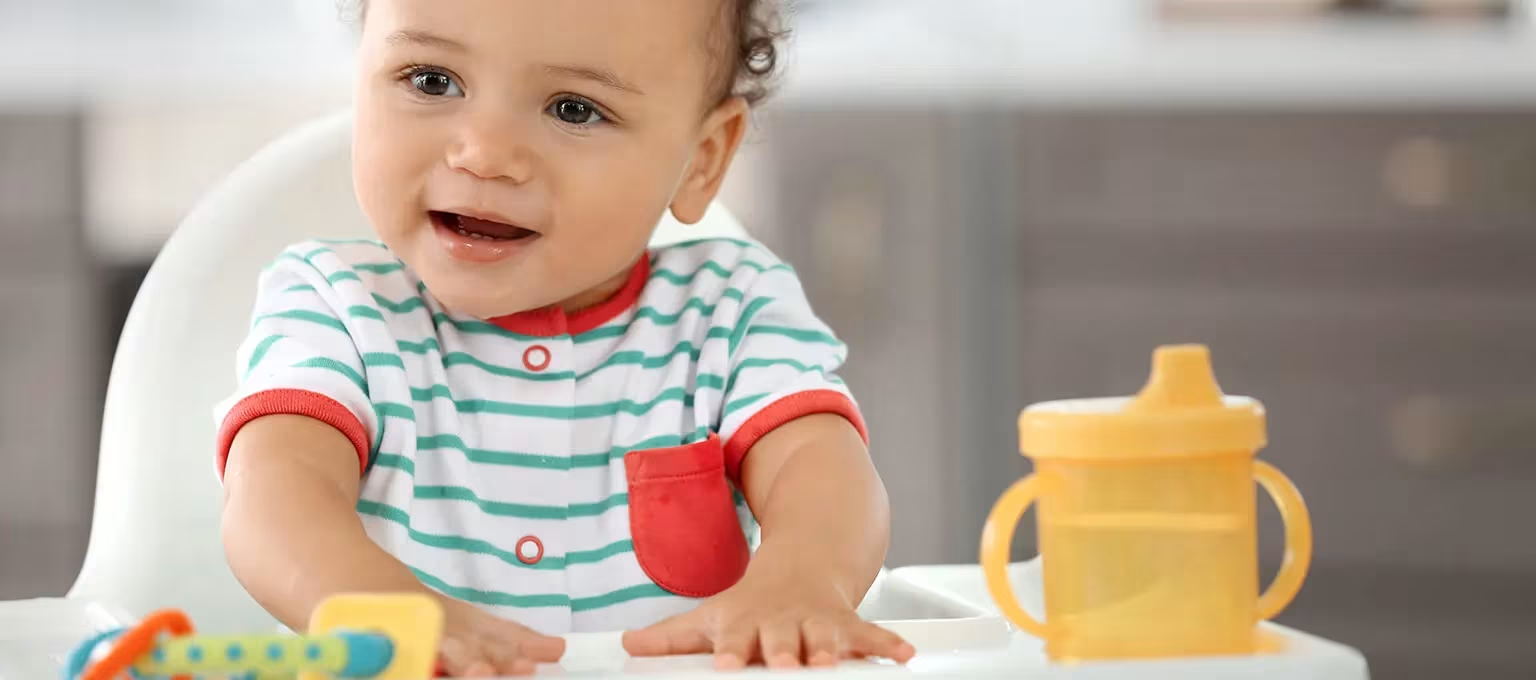
The best way to introduce water to your baby (who is 6 months or older) is to give her a small amount in a sippy cup. Don’t force her to drink the water if she rejects it.
Your baby’s need for liquids will increase when she starts eating solid foods.
This is why the time when you start giving solids is also a good time to slowly introduce water. Gradually giving your little one water also gives her a chance to get used to water’s plain flavor.
Drinking water will also help your child develop healthy habits. Giving your baby juice is not recommended, as it can cause her to crave sweetened drinks, which can lead to her becoming overweight or obese later on.
Is It OK to Mix Formula With Water?
It’s OK to mix powdered formula with water. Just be careful to follow the manufacturer’s guidelines on how much water to add.
What's dangerous is adding extra water to the formula. Diluting formula or giving your baby water in addition to formula can lead to a condition called water intoxication.
Diluting infant formula beyond the manufacturer’s directions reduces the nutrients your baby is getting. This can lead to slowed development, electrolyte imbalances, and possibly seizures.
Be sure to follow the manufacturer’s directions when mixing infant formula, and check out these formula feeding guidelines.
Does Tap Water Need to Be Boiled for Babies?
Some tap water might not be clean enough for your baby. Check with your local health department if you’re unsure about the quality of the tap water in your home.
If the water isn’t safe, you could use bottled water instead, or boil the tap water for mixing with infant formula or for giving your baby once he’s over 6 months old.
To boil tap water, bring cold water to a boil for 1 minute. Then set it aside to cool to room temperature for about 30 minutes before using it. It’s a good idea to test the water on your wrist to ensure it’s at room temperature before giving it to your baby.

Should You Give Water to a Dehydrated Baby?
Your baby may become dehydrated if she has a fever, is vomiting, has diarrhea, or for certain other reasons.
Some signs of dehydration may include
If you suspect your little one may be dehydrated, do not give your baby water. The best fluid to keep your baby properly hydrated is breast milk or formula.
Contact your baby’s healthcare provider right away if you suspect your little one may be dehydrated. Your provider may suggest a rehydration solution, drops, vitamins or minerals in syrup form, or medicine to hydrate your little one.
Should You Give Your Breastfeeding Baby Water on Hot Days?
Your baby does not need water before the age of 6 months even if it’s a hot day and/or you live in a hot climate. The best option will be to keep your baby hydrated with your breast milk or formula.
What Is Water Intoxication in Babies?
Water intoxication, also called hyponatremia, is a condition in which the sodium level in the blood becomes abnormally low. Drinking too much water can cause this condition.
A baby who is given water under the age of 6 months may be at risk for this condition.
Symptoms of hyponatremia can include
Water intoxication requires emergency medical attention, and treatment may include intravenous electrolytes or medications. Contact your baby’s healthcare provider if you notice any of the symptoms listed above, or if you have any concerns about water intoxication.
Even though giving your baby water may seem harmless, it’s not recommended until your little one is 6 months old. Your baby is getting all the nutrients and hydration she needs from breast milk or formula.
With all those feedings, you’ll also be doing lots of diaper changes. To make the task a bit more rewarding, download the Pampers Club app to earn rewards for your Pampers purchases.
How we wrote this article The information in this article is based on the expert advice found in trusted medical and government sources, such as the American Academy of Pediatrics and the American College of Obstetricians and Gynecologists. You can find a full list of sources used for this article below. The content on this page should not replace professional medical advice. Always consult medical professionals for full diagnosis and treatment.
- WHO: Breastfeeding
- Healthy Children: How to safely prepare formula
- Mayo Clinic: Hyponatremia
- Mayo Clinic: Water: How much should you drink every day?
- Book: Caring for your baby and young child birth to age 5, Sixth Edition Paperback – November 2, 2014 by American Academy of Pediatrics (Author)
Understanding the Differences Between Manual and Electric Breast Pumps
Learn the pros and cons of manual vs electric breast pumps. Choose the best one for your needs with tips on comfort, efficiency & usage.
Read more
Five Breastfeeding Positions and Tips
If you’re having trouble finding a comfortable breastfeeding position, these useful tips and graphics will help to make it an enjoyable experience.
Read more
8-Step Guide on How to Use a Breast Pump
Breastfeeding is an essential aspect of a baby's development. For mothers who cannot manage regular feeding sessions, a breast pump proves to be a good solution. Click here on Pampers India for the perfect 8 step guide on how to use a breast pump.
Read more
Baby's First Breastfeeding: When and How to Start Nursing
Learn how to breastfeed your baby for the first time with Pampers India. Experience the beautiful journey of breastfeeding your new born baby here.
Read more
Foods To Increase Breastmilk Production
Discover foods that increase breast milk production, including Indian diet options and natural lactation-boosting ingredients.
Read more
How to Store Breast Milk: All About Proper Storage
It’s possible that you may not always be available to nurse, especially in the later stages when mommy needs to get back to work or has other responsibilities. Click here on Pampers India if you want to know how to store breast milk.
Read more
Breast feeding 101
Breastfeeding is a natural process that can benefit both you and your baby, but it can be hard! Here are our answers to common breastfeeding questions.
Read more
A Perfect Diet Plan for a Breastfeeding Mom
Read our comprehensive guide on healthy and balanced diet plans for breastfeeding mothers. Because having a nutritious breastfeeding diet is crucial for both you and your baby's well-being.
Read more
Everything to Know About Dream Feeding Your Newborn
Learn how to successfully dream feed your newborn baby. Discover when it’s beneficial, tips for success, and how this strategy can improve your baby’s sleep patterns.
Read moreUnderstanding the Differences Between Manual and Electric Breast Pumps
Learn the pros and cons of manual vs electric breast pumps. Choose the best one for your needs with tips on comfort, efficiency & usage.
Read moreFive Breastfeeding Positions and Tips
If you’re having trouble finding a comfortable breastfeeding position, these useful tips and graphics will help to make it an enjoyable experience.
Read more8-Step Guide on How to Use a Breast Pump
Breastfeeding is an essential aspect of a baby's development. For mothers who cannot manage regular feeding sessions, a breast pump proves to be a good solution. Click here on Pampers India for the perfect 8 step guide on how to use a breast pump.
Read moreBaby's First Breastfeeding: When and How to Start Nursing
Learn how to breastfeed your baby for the first time with Pampers India. Experience the beautiful journey of breastfeeding your new born baby here.
Read moreFoods To Increase Breastmilk Production
Discover foods that increase breast milk production, including Indian diet options and natural lactation-boosting ingredients.
Read moreHow to Store Breast Milk: All About Proper Storage
It’s possible that you may not always be available to nurse, especially in the later stages when mommy needs to get back to work or has other responsibilities. Click here on Pampers India if you want to know how to store breast milk.
Read moreBreast feeding 101
Breastfeeding is a natural process that can benefit both you and your baby, but it can be hard! Here are our answers to common breastfeeding questions.
Read moreA Perfect Diet Plan for a Breastfeeding Mom
Read our comprehensive guide on healthy and balanced diet plans for breastfeeding mothers. Because having a nutritious breastfeeding diet is crucial for both you and your baby's well-being.
Read more