What Is an Ectopic Pregnancy?


The good news is that ectopic pregnancies are rare. However, if they do occur, they require medical attention, so it's helpful to know what is ectopic pregnancy, just in case. Learn more about what an ectopic pregnancy is, and what an ectopic pregnancy can feel like.
What Happens in an Ectopic Pregnancy?
In a typical pregnancy that develops normally, a fertilised egg moves through the fallopian tube toward the uterus, where it implants and starts to grow. But in an ectopic pregnancy, the fertilised egg implants outside of the uterus, usually attaching itself to the fallopian tube (but occasionally to the ovary, cervix, or other places in the abdomen). These cannot hold a growing embryo, so the pregnancy cannot progress. The chance of an ectopic pregnancy occurring is relatively low, making up just 2 percent of pregnancies.
An ectopic pregnancy must be treated, and your doctor will discuss and recommend the best options for you. Following are some of the causes, risks, symptoms, and treatments for this condition.

Causes of an Ectopic Pregnancy
Possible causes of an ectopic pregnancy can include:
Risk Factors for an Ectopic Pregnancy
You're more likely to have an ectopic pregnancy if
Signs and Symptoms of an Ectopic Pregnancy
You might be wondering how to tell if you have an ectopic pregnancy, particularly because some of the signs of an ectopic pregnancy are also normal signs of a healthy pregnancy that you might experience in the first trimester. Keep in mind that ectopic pregnancies are rare, and your doctor is the appropriate person to make this diagnosis.
Some women don't experience any symptoms at all. However, if you do develop symptoms, you will likely notice these signs of an ectopic pregnancy between the 4th and 12th weeks of pregnancy. These can include:
These symptoms can start very early in your pregnancy, at a time when you might not know you are pregnant yet or have had a positive pregnancy test.
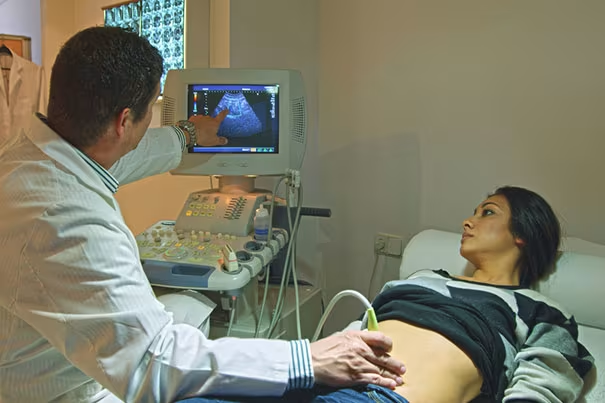
In some cases, signs of an ectopic pregnancy will first be recognised by your doctor during your first pregnancy scan.
Contact your doctor right away if you notice sharp pains that last more than a few minutes, or if you have any bleeding. Go to the hospital ASAP if you have vaginal bleeding along with abdominal or shoulder pain or weakness, dizziness, or fainting.
Diagnosis
Your doctor can make an ectopic pregnancy diagnosis by undertaking these kinds of examinations:
What Are the Treatment Options?
Treatment for an ectopic pregnancy involves ending the pregnancy either by surgery or by medication and aims to restore the affected fallopian tube. Your doctor will talk you through the options, which can include:
You might be wondering what to expect after ectopic pregnancy surgery. Your doctor will closely monitor your recovery after an ectopic pregnancy and any surgery, including rechecking your hCG level to make sure the ectopic tissue has been completely removed.
Can I Get Pregnant After an Ectopic Pregnancy?
If you're wondering if you can have a healthy pregnancy after an ectopic pregnancy, your best bet is to speak with your doctor, who will be able to provide you with specific guidance based on your medical history.
Ectopic pregnancies are relatively rare and treatable, but if you notice any symptoms that worry you, consult your doctor for reassurance and advice.
Articles Related To Healthy Pregnancy

Understanding Faint Lines on Pregnancy Test: Light Line or Fading Positive Result
Unsure about a faint test line on your pregnancy kit? Learn if a light line indicates a real life positive or if it’s a false result. Understand faint lines in pregnancy tests and what they mean.
Read more
Implantation Cramps: Duration, Pain, and How to Differentiate from Period Cramps
Understand implantation cramps, including their how long they last, pain location, and how to differentiate them from period cramps, along with other related symptoms.
Read more
Fever During Pregnancy: Causes, Symptoms, and Home Remedies
Getting a high fever during early or late pregnancy can be stressful. Learn about the causes and symptoms of fever during pregnancy, and safe home remedies.
Read more
Headaches during pregnancy
Headaches are a common occurrence during pregnancy. Here’s why you might have more frequent headaches while pregnant, and the best remedies and treatments for headaches during pregnancy.
Read more
Here’s Why You Might Get a Positive Result Without a Period
Experiencing a false pregnancy test but no period? Learn what causes a false positive pregnancy test and whether a positive result can be wrong.
Read moreMeaning of Negative Pregnancy Test: Understanding HCG Levels
Confused by a negative pregnancy test kit result? Discover the meaning behind negative HCG tests and what negative pregnancy results might indicate for your health.
Read more
When Does a Baby's Heartbeat Start? Understanding Ultrasound Scans
Learn when the baby's heartbeat will start, when the fetus heart begins beating, and how heartbeat scans help track development during pregnancy
Read more
Black Stools During Pregnancy: Causes, Safety Concerns and What It Means
Worried about black stool during pregnancy? Discover if dark poop or black potty is safe and the possible causes of black stools for expecting mothers.
Read more
Fetal Movement During Pregnancy: What to Expect from 2nd Trimester to 32 Weeks?
Understand fetal movement during pregnancy, including 7 months pregnant baby movement and kicks at 32 weeks. Know what to expect during your third trimester!
Read more
How to Differentiate Between Evaporation Lines and Faint Positive Results?
Learn about pregnancy test evaporation lines, how to identify a pink evaporation line, and the key differences between evaporation lines and faint lines.
Read moreUnderstanding Faint Lines on Pregnancy Test: Light Line or Fading Positive Result
Unsure about a faint test line on your pregnancy kit? Learn if a light line indicates a real life positive or if it’s a false result. Understand faint lines in pregnancy tests and what they mean.
Read moreImplantation Cramps: Duration, Pain, and How to Differentiate from Period Cramps
Understand implantation cramps, including their how long they last, pain location, and how to differentiate them from period cramps, along with other related symptoms.
Read moreFever During Pregnancy: Causes, Symptoms, and Home Remedies
Getting a high fever during early or late pregnancy can be stressful. Learn about the causes and symptoms of fever during pregnancy, and safe home remedies.
Read moreHeadaches during pregnancy
Headaches are a common occurrence during pregnancy. Here’s why you might have more frequent headaches while pregnant, and the best remedies and treatments for headaches during pregnancy.
Read moreHere’s Why You Might Get a Positive Result Without a Period
Experiencing a false pregnancy test but no period? Learn what causes a false positive pregnancy test and whether a positive result can be wrong.
Read moreMeaning of Negative Pregnancy Test: Understanding HCG Levels
Confused by a negative pregnancy test kit result? Discover the meaning behind negative HCG tests and what negative pregnancy results might indicate for your health.
Read moreWhen Does a Baby's Heartbeat Start? Understanding Ultrasound Scans
Learn when the baby's heartbeat will start, when the fetus heart begins beating, and how heartbeat scans help track development during pregnancy
Read moreBlack Stools During Pregnancy: Causes, Safety Concerns and What It Means
Worried about black stool during pregnancy? Discover if dark poop or black potty is safe and the possible causes of black stools for expecting mothers.
Read more