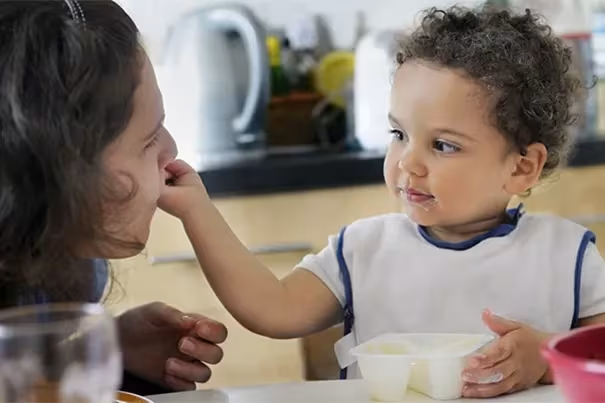
Healthy Alternatives: Jaggery and Sugar for Infants Explained


As parents, it is essential to ensure your infant's health and wellness. A large portion of this includes making informed decisions that pertain to their diet, especially in the matter of introducing sweet substances like sugar to them. "Is it ok to give sugar to infants?" and "What about jaggery for infants?" are popular questions that many parents wonder at some point. In this elaborate blog, we will try to find answers to these questions, discuss the role of traditional sweeteners in infant nutrition and understand the implications of introducing salt and sugar to infants.

Understanding The Impact of Giving Sugar to Infants
Sugars are natural carbohydrates that are found in many foods, such as fruits, vegetables, milk and honey. When we talk about sugar in infant diets, we are usually talking about added sugars found in processed foods or table sugar that sometimes gets mixed into recipes and infant meals. Let us understand in detail if added sugar is good for infants or should you take any precautions.
Is Sugar Good for Infants?
The short answer is no; added sugars do not have a place in a balanced diet for an infant. They can do more harm than good if given in excessive quantities. Healthcare experts across the globe suggest keeping added sugars away from children under the age of two. This is because of a number of reasons, some of which are listed below:
The Role of Jaggery for Infants
Jaggery, being a less refined sugar product, is widely touted as a healthier substitute for white sugar. Being obtained from sugarcane juice or palm sap, it has much more minerals in it as it is minimally processed. But like all good things, there are pros and cons to this natural sweetener as well. Let’s study them for a deeper understanding.
Should You Use Jaggery for Infants?
Though jaggery does have some positive properties, it should be introduced cautiously and in consultation with a paediatrician. Both sugar and jaggery should be restricted to infants less than one year unless specifically recommended by a healthcare provider.
Salt and Sugar for Infants: Balancing the Flavors
Enhancing flavour is normally achieved by adding salt and sugar in normal meal preps. However, adding salt or sugar to infant foods can cause harm to their overall health and development. Like sugar, salt should be given to infants in controlled quantities. This is because an infant’s kidneys are not as developed as adult kidneys and are too immature to handle high levels of sodium efficiently.
Healthy Alternatives to Salt and Sugar for Infants
Cutting out salt and sugar for infants does not mean giving them bland food. Thankfully, there are ways to add flavours to your infant’s diet. Introducing babies to various flavours and textures without relying on added sugars is very important for their current health but also lays the foundation for healthy eating habits. Here are some sweet and healthier alternatives that can be safely offered to infants:
1. Bananas
Soft and naturally sweet, bananas are easy to mash and serve as a perfect first sweet food for infants. They are rich in potassium and provide the necessary energy.
2. Apples
Apples can be steamed and pureed, making them a tasty and fibre-rich option. Additionally, they contain vitamin C, which supports immune health.
3. Pears
Like apples, pears are nutrient-dense and can be steamed and pureed with a naturally sweet flavour.
4. Berries
For a bit older babies (around 8-10 months), pureed or mashed berries such as blueberries or strawberries add a pop of flavour and antioxidants.
1. Sweet Potatoes
By nature, sweet potatoes are sweet and filled with beta-carotene; they can be baked, pureed and served as a healthy alternative to sweets.
2. Carrots
Steamed and mashed carrots are mildly sweet and high in nutrition and contain lots of vitamin A.
Grains
1. Oatmeal
Sugar-free oatmeal is fairly mild in its natural sweetness and pairs well with fruit purees/mashes and therefore makes an excellent wholesome filling breakfast.
2. Brown Rice Cereal
It is an ideal carrier for sweetened fruit purees, providing essential iron that infants need as they begin solid foods.
1. Cinnamon
A small sprinkle of cinnamon can add sweetness to fruits and grains without the need for white sugar. It also offers potential anti-inflammatory benefits.
2. Pure Vanilla Extract
One to two drops of pure vanilla extract adds warmth and comfort to foods like oatmeal, applesauce and pears.
Use full-fat, plain yoghurt to avoid added sugars. It can be mixed with pureed fruit for a creamy, sweet mixture packed with probiotics that support digestive health.

When Is a Good Time to Give Sugar to Infants?
Only after one-year, small quantities of natural sugars can be added to the diet in the form of balanced meals. However, opting for whole foods and fruits containing natural sugars is always the best option.
Final Takeaway
The ultimate focus must always remain a balanced diet that seeks and prioritises whole foods more than processed items. Encouraging and teaching children to enjoy a well-balanced diet complete with organic fruits and vegetables, whole grains and proteins will set the habit of lifetime of healthy eating.
Adopting the mantra "less is more" with respect to both salt and sugar for infants will not only aid in their immediate health but also help in developing a preference for healthy food choices as they grow up. Always consult a paediatric healthcare professional before making any radical changes to your infant's diet. Teaching a child to eat healthily is one of the greatest gifts you can give to your baby.
Healthy toddler food: child-friendly food
We explore a wide range of healthy food options for toddlers, including fussy eaters. From traditional to alternative, we have the most popular covered.
Read more
What to feed a 2-year-old
Learn what foods you should be giving to your two-year-old toddler and what types of food are safe for consumption at this age.
Read more
Good eating habits for a 3-year-old
By the age of 3-years-old your toddler will have mastered the use of the knife and fork and will have a range of table eating habits under control.
Read more
Toddlers & pre-schoolers: healthy snack ideas
Take a look at some of our best, easy-to-produce healthy snack ideas for toddlers and pre-schoolers, recommended by mums.
Read more
Healthy Indian Dinner Ideas For Toddlers
Find nutritious Indian dinner recipes for toddlers, including easy meal plans for 1-year-olds and kids.
Read more
Indian Baby Food: 30 Lunch Box Recipes for Toddlers (12-18 Months)
Find Indian baby food recipes for toddlers. Explore nutritious and healthy Indian baby food recipes for toddlers aged 12-18 months every day.
Read more25 healthy breakfast ideas for kids (12 months to 3 years)
Get 25+ healthy breakfast ideas for kids, including toddler-friendly Indian recipes and nutritious morning meals.
Read more
Healthy toddler recipes: child-friendly food
Take a look at some of our favourite healthy recipes for growing toddlers. From traditional to modern dishes, get some inspiration from our recipe list.
Read more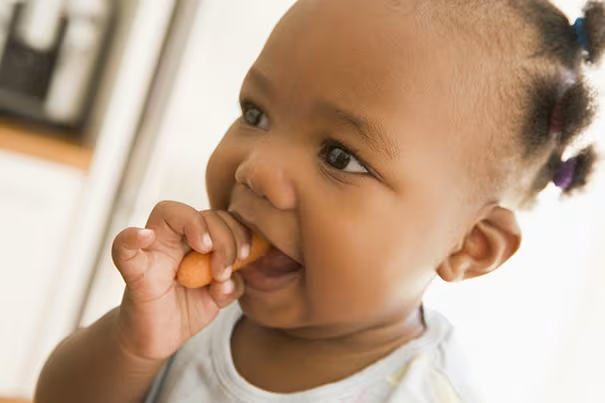
A balanced vegetarian diet for toddlers
Ensuring that your child's vegetarian diet is in line with their required daily nutrition is essential, to help ensure that they grow at the right pace.
Read moreHealthy toddler food: child-friendly food
We explore a wide range of healthy food options for toddlers, including fussy eaters. From traditional to alternative, we have the most popular covered.
Read moreWhat to feed a 2-year-old
Learn what foods you should be giving to your two-year-old toddler and what types of food are safe for consumption at this age.
Read moreGood eating habits for a 3-year-old
By the age of 3-years-old your toddler will have mastered the use of the knife and fork and will have a range of table eating habits under control.
Read moreToddlers & pre-schoolers: healthy snack ideas
Take a look at some of our best, easy-to-produce healthy snack ideas for toddlers and pre-schoolers, recommended by mums.
Read moreHealthy Indian Dinner Ideas For Toddlers
Find nutritious Indian dinner recipes for toddlers, including easy meal plans for 1-year-olds and kids.
Read moreIndian Baby Food: 30 Lunch Box Recipes for Toddlers (12-18 Months)
Find Indian baby food recipes for toddlers. Explore nutritious and healthy Indian baby food recipes for toddlers aged 12-18 months every day.
Read more25 healthy breakfast ideas for kids (12 months to 3 years)
Get 25+ healthy breakfast ideas for kids, including toddler-friendly Indian recipes and nutritious morning meals.
Read moreHealthy toddler recipes: child-friendly food
Take a look at some of our favourite healthy recipes for growing toddlers. From traditional to modern dishes, get some inspiration from our recipe list.
Read more