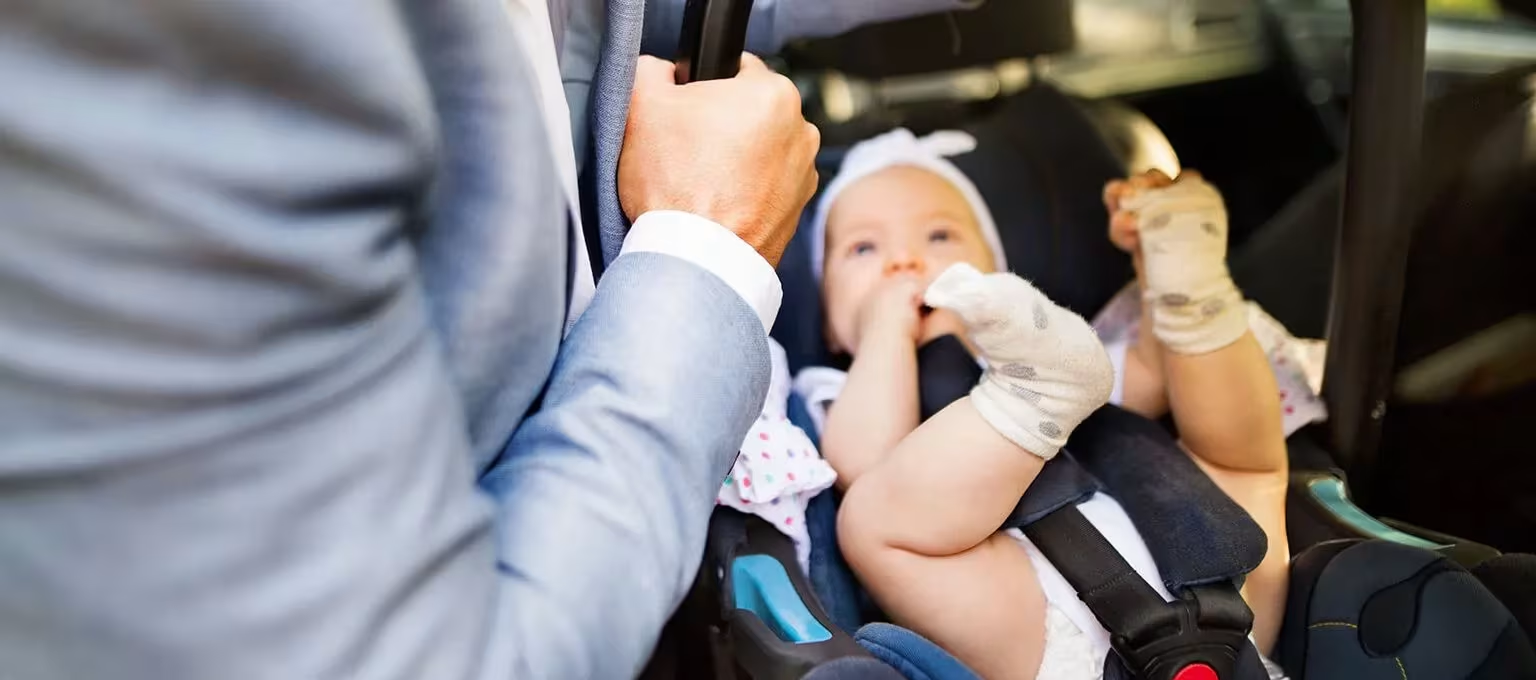
Car Safety For Children: Preventing Heatstroke In Cars


As a parent, you want to do everything possible to protect your baby. And safety is always top of mind when you're in the car with your smallest passenger. But you might not be aware of a serious threat to your baby's health and life, which is vehicular heatstroke. This can occur when a child is left in a hot car for even a few minutes, and it's the leading cause of non-crash, vehicle-related death for children under 15.

What Is Vehicular Heatstroke?
Also known as hyperthermia, heatstroke occurs when the body overheats and is not able to cool down quickly enough. Babies and young children are more at risk for this condition than adults because a child's body can overheat three to five times more quickly than an adult's body.
Overheating happens quite rapidly — it takes only 10 minutes for a car's temperature to rise 19 degrees F. When a child is left in a hot car, the major organs start to shut down when the body temperature reaches 104 degrees F. When the body temperature rises to 107 degrees F, a child can die.
It's worth knowing that vehicular heatstroke can take place when the outside temperature is as low as 57 degrees F. Also, having a window cracked or having air conditioning turned on doesn't do much to cool the car once it is hot.

What Are the Causes of Vehicular Heatstroke?
Fortunately, there are safe, smart habits you can start today to help prevent a tragedy from happening to you. Here's what to know and what to do.
Car Safety Tips
For More Information
To learn more about car safety and vehicle-related heatstroke, check out these resources:
Preventing burns: kids and toddlers safety
Keeping your child away from hot objects is essential, as they do not understand the danger of heat. See our burn safety tips for kids.
Read more
How to help your baby sit up safely?
Learn when babies start sitting up and how to help them sit without support. Find baby sitting milestones and expert tips.
Read more
Child safety: keeping a mobile toddler safe
If you have an out-and-about, active toddler then you will understand the importance of keeping them safe. Take a look at our toddler safety suggestions.
Read more
Baby safety in and out of the house
Securing your house with baby safety products should be done well in advance of your baby's first signs of movement, preventnig accidents in the house.
Read more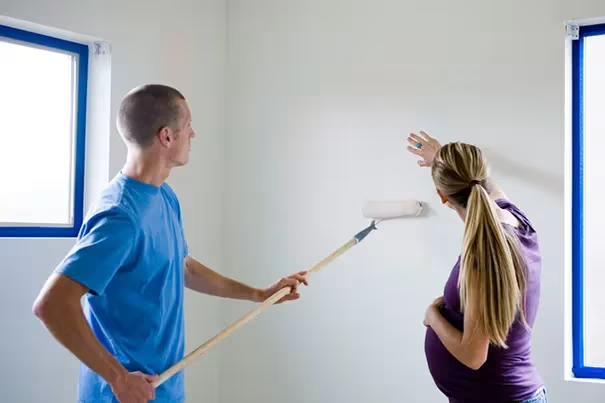
Will the smell of paint harm my children?
Find out if paint fumes are harmful to babies and how long after painting it's safe for your child to be around.
Read more
Baby Medical Kit: Here’s What All Should Be in- It!
Baby’s medical kit should have their copies of paperwork, basic medicines, and some sterile bandages along with infant thermometer. Learn how to create your own medical kit for your newborn.
Read more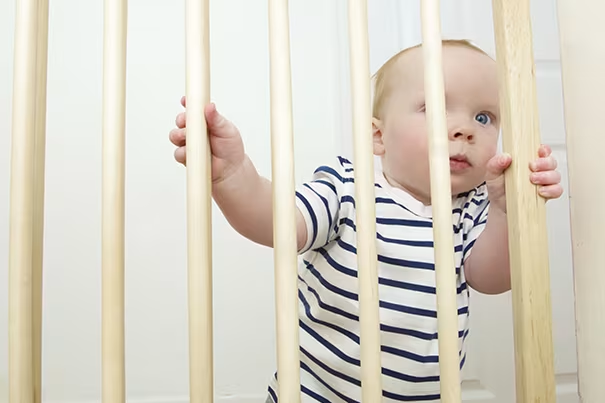
Baby-Proofing: Stair gates and fences
Ensuring that the stairs in your house are secure is absolutely essential for parents and guardians. Find out why you need a stair gate for your home.
Read morePreventing burns: kids and toddlers safety
Keeping your child away from hot objects is essential, as they do not understand the danger of heat. See our burn safety tips for kids.
Read moreHow to help your baby sit up safely?
Learn when babies start sitting up and how to help them sit without support. Find baby sitting milestones and expert tips.
Read moreChild safety: keeping a mobile toddler safe
If you have an out-and-about, active toddler then you will understand the importance of keeping them safe. Take a look at our toddler safety suggestions.
Read moreBaby safety in and out of the house
Securing your house with baby safety products should be done well in advance of your baby's first signs of movement, preventnig accidents in the house.
Read moreWill the smell of paint harm my children?
Find out if paint fumes are harmful to babies and how long after painting it's safe for your child to be around.
Read moreBaby Medical Kit: Here’s What All Should Be in- It!
Baby’s medical kit should have their copies of paperwork, basic medicines, and some sterile bandages along with infant thermometer. Learn how to create your own medical kit for your newborn.
Read moreBaby-Proofing: Stair gates and fences
Ensuring that the stairs in your house are secure is absolutely essential for parents and guardians. Find out why you need a stair gate for your home.
Read morePreventing burns: kids and toddlers safety
Keeping your child away from hot objects is essential, as they do not understand the danger of heat. See our burn safety tips for kids.
Read more