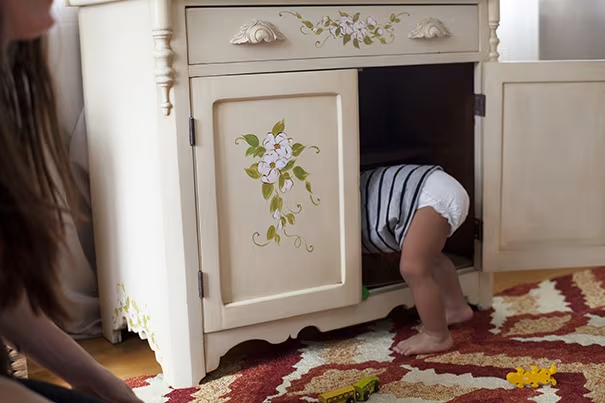
Baby safety in and out of the house


Safety means looking at the environment and matching it up to your own baby's abilities at that time.
Setting up safe ways and places for your baby to explore works better than planning to watch your baby every second (an impossible task!), but some general principles of safety apply to every child.

Never leave your baby alone
Even newborns can occasionally turn over or flip around, so never leave your baby alone in the bath, on a raised surface like a changing table or on an adult bed. If the phone rings, take the baby with you (or let the answering machine pick up the call). Never leave a baby in a car by herself, even for a minute.
Never shake a baby
In the early days, it's often difficult to fathom why your baby is crying. Feeling angry sometimes is normal, but no matter how frustrated you get, never shake or jiggle your baby violently. Shaken Baby Syndrome (SBS) can have dramatic effects on your baby.
Lower the risk of sudden infant death syndrome (SIDS), or cot death
Prevent choking
Follow these guidelines to avoid choking hazards:

Promote water safety
Never let your child out of your sight near any bodies of water. Keep her safe by doing the following:
Drive safely
Articles Related To Baby Proofing
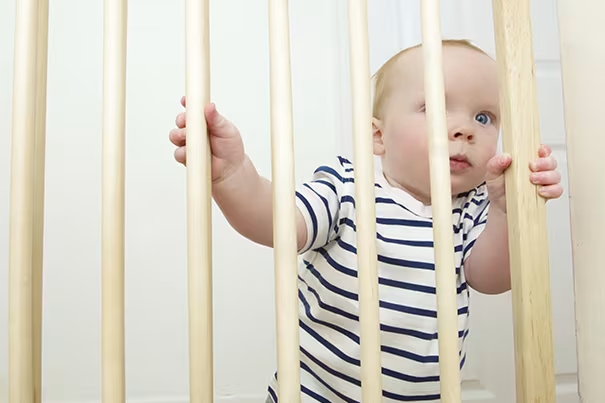
Baby-Proofing: Stair gates and fences
Ensuring that the stairs in your house are secure is absolutely essential for parents and guardians. Find out why you need a stair gate for your home.
Read more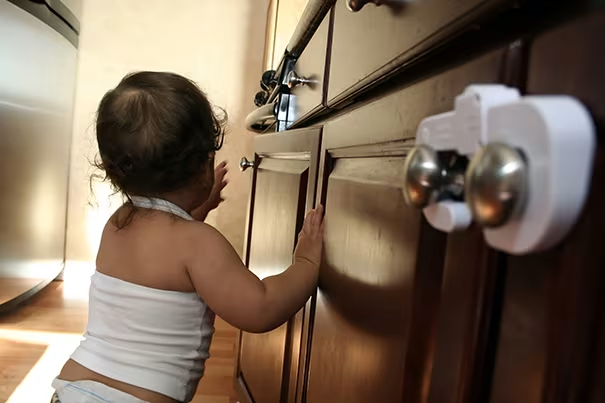
Preventing burns: kids and toddlers safety
Keeping your child away from hot objects is essential, as they do not understand the danger of heat. See our burn safety tips for kids.
Read more
How to help your baby sit up safely?
Learn when babies start sitting up and how to help them sit without support. Find baby sitting milestones and expert tips.
Read more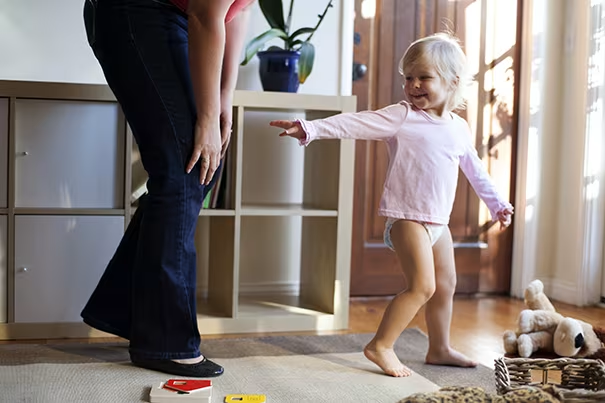
Child safety: keeping a mobile toddler safe
If you have an out-and-about, active toddler then you will understand the importance of keeping them safe. Take a look at our toddler safety suggestions.
Read more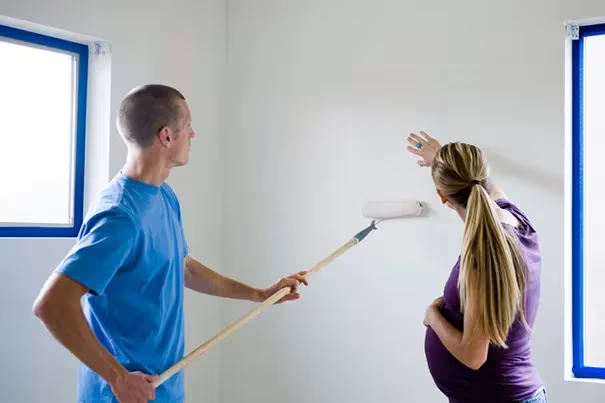
Will the smell of paint harm my children?
Find out if paint fumes are harmful to babies and how long after painting it's safe for your child to be around.
Read more
Baby Medical Kit: Here’s What All Should Be in- It!
Baby’s medical kit should have their copies of paperwork, basic medicines, and some sterile bandages along with infant thermometer. Learn how to create your own medical kit for your newborn.
Read more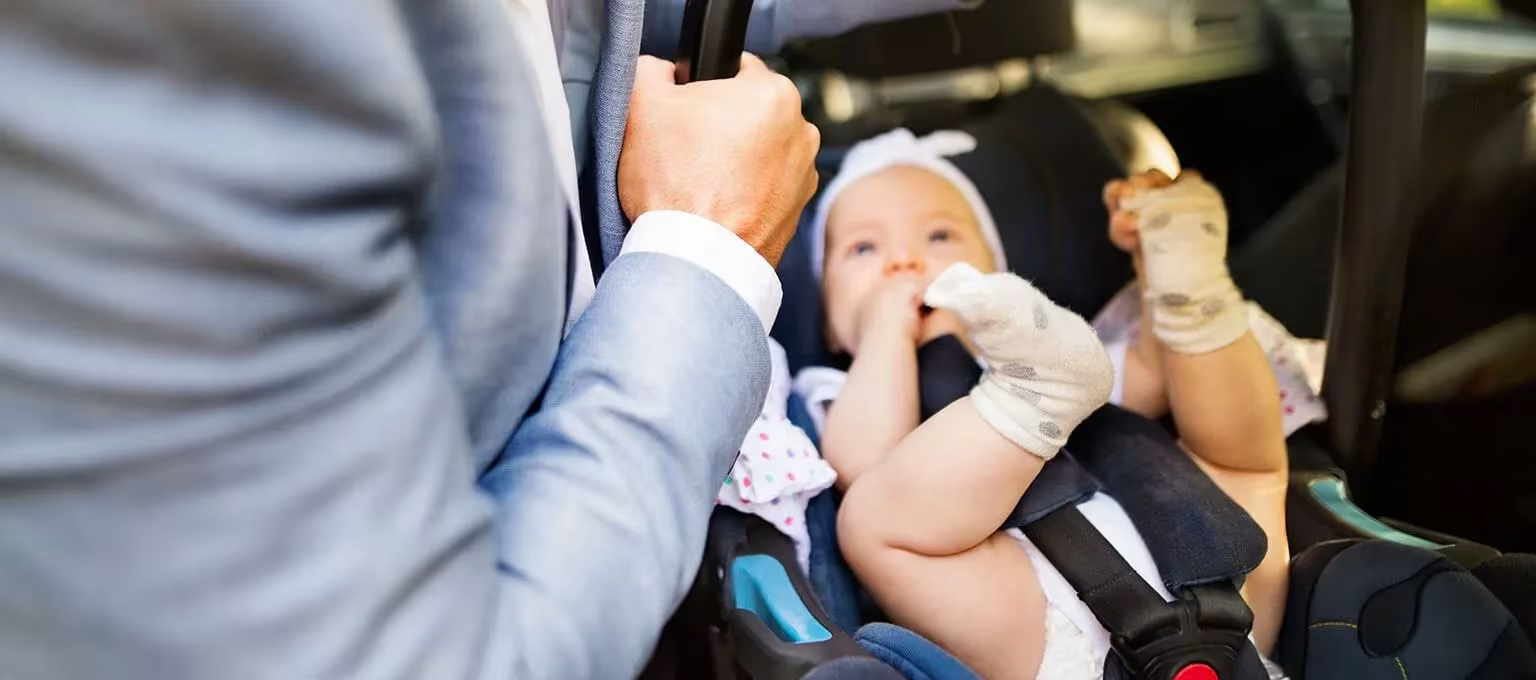
Car Safety For Children: Preventing Heatstroke In Cars
Hot cars can cause heatstroke in children. In this article we cover what vehicular heatstroke is, and its causes. Plus we share our car safety tips!
Read moreBaby-Proofing: Stair gates and fences
Ensuring that the stairs in your house are secure is absolutely essential for parents and guardians. Find out why you need a stair gate for your home.
Read morePreventing burns: kids and toddlers safety
Keeping your child away from hot objects is essential, as they do not understand the danger of heat. See our burn safety tips for kids.
Read moreHow to help your baby sit up safely?
Learn when babies start sitting up and how to help them sit without support. Find baby sitting milestones and expert tips.
Read moreChild safety: keeping a mobile toddler safe
If you have an out-and-about, active toddler then you will understand the importance of keeping them safe. Take a look at our toddler safety suggestions.
Read moreWill the smell of paint harm my children?
Find out if paint fumes are harmful to babies and how long after painting it's safe for your child to be around.
Read moreBaby Medical Kit: Here’s What All Should Be in- It!
Baby’s medical kit should have their copies of paperwork, basic medicines, and some sterile bandages along with infant thermometer. Learn how to create your own medical kit for your newborn.
Read moreCar Safety For Children: Preventing Heatstroke In Cars
Hot cars can cause heatstroke in children. In this article we cover what vehicular heatstroke is, and its causes. Plus we share our car safety tips!
Read moreBaby-Proofing: Stair gates and fences
Ensuring that the stairs in your house are secure is absolutely essential for parents and guardians. Find out why you need a stair gate for your home.
Read more