
Pinkeye (Conjunctivitis) in Babies: Signs, Causes and Treatment


If your baby’s eye is red, they might have an eye condition commonly known as pinkeye. You might have also heard it called conjunctivitis, which is the medical name for pinkeye. Although it can be uncomfortable for your baby, pinkeye can be treated and will go away within about 10 days. Read on to learn more about what causes pinkeye, what the symptoms are, how to treat it and help prevent its spread, and when to see your baby’s healthcare provider.

What Is Pinkeye?
Pinkeye is one of the most common eye conditions affecting both adults and children. The condition is an inflammation of the thin tissue lining the inside of the eyelid (this is called the conjunctiva) and the white part of the eye.
The inflammation causes the blood vessels in the eye to become more visible, which makes it look like the whites of the eye are red or pink—hence the name.
In some ways, pinkeye is a little like the common cold. Just like a cold, pinkeye can spread easily between children if someone is infected, and pinkeye often doesn’t require treatment for the condition to resolve by itself.
Pinkeye can be uncomfortable for your child but it typically won’t affect your baby’s eyesight.
Signs and Symptoms of Pinkeye
Symptoms depend on what has actually caused the pinkeye and may include the following:
Causes and Diagnosis
It can be hard to pinpoint the exact cause of pinkeye in babies; however, the main causes are typically
Tell your baby’s healthcare provider if your little one has had contact with someone with viral or bacterial conjunctivitis, or if you think something irritated their eyes.
To diagnose pinkeye, your child’s healthcare provider will likely check your baby’s eyes for redness and discharge. The provider may even check your baby’s ears for signs of infection since the same bacteria that causes pinkeye can also cause ear infections.

How to Treat Pinkeye
Eye infections often last anywhere between 7 and 10 days. If your baby’s pinkeye gets worse or doesn’t improve after about a week, take your little one in to see their healthcare provider.
If the provider determines that a bacterial infection has caused the pinkeye, they will likely prescribe antibiotic eye drops or an ointment. If a virus is behind the condition, the provider can give you advice on how to help soothe the symptoms while the viral infection lasts. And if the pinkeye is a result of allergies, the provider may prescribe allergy medication (either by mouth or eye drops) to treat the symptoms.
There are also some home remedies you might like to try to give your little one some relief. Use a cool or warm washcloth as a compress to soothe the affected eye and learn how to clean your baby’s eyes properly. Clean any crust or discharge with gauze or a cotton ball dipped in warm water.
If your baby has any of the following, take them to your provider right away:
Pinkeye in Newborns
Shortly after birth, newborns are treated with antibiotic ointment or drops. This is to prevent infections that may arise from exposure to viruses or bacteria during pregnancy or during the trip down the birth canal. If your newborn does develop pinkeye, you should see your healthcare provider as soon as possible to prevent complications. It could be the result of an infection, irritation, or even a blocked tear duct.
Is Pinkeye Contagious?
Viral and bacterial pinkeye are both very contagious, spreading easily from person to person.
How to Prevent Pinkeye From Spreading and Reoccurring?
Make sure that you and everyone in your home frequently wash their hands with soap and warm water, especially after providing any at-home treatment to your baby. Be sure to wash your baby's hands, too.
It’s also a good idea to launder anything (like washcloths, pillows, or towels) that was used by your baby separately from the rest of the household laundry to prevent the infection from spreading.
If your baby’s pinkeye was caused by an allergic reaction or irritation, these steps might help prevent it from reoccurring:
FAQS AT A GLANCE
Depending on the cause, signs of pinkeye can include
- a pink or red, swollen, watery eye
- sensitivity to light
- an itchy, painful eye
- green or yellow discharge from the eye
- crusting on the eye and eyelashes
- excessive tearing.
The Bottom Line
It may be upsetting to see your beautiful baby with a bright pink or red eye infection, but just like many childhood illnesses, pinkeye tends to go away with time and/or treatment from your baby’s healthcare provider.
With your baby on the road to recovery, why not take a moment to check out the Pampers Rewards app—a great way to pile up the points and earn rewards for all your diaper purchases.
How We Wrote This Article The information in this article is based on the expert advice found in trusted medical and government sources, such as the American Academy of Pediatrics and the American College of Obstetricians and Gynecologists. You can find a full list of sources used for this article below. The content on this page should not replace professional medical advice. Always consult medical professionals for full diagnosis and treatment.
Articles Related To Baby Development
- American Academy of Pediatrics. Caring for Your Baby and Young Child: Birth to Age 5, 6th ed. (New York: Bantam Books, 2014).
- Kids Health. “Conjunctivitis.”
- Kids Health. “First Aid: Pinkeye.”

Neonatal Intensive Care Unit (NICU): Common Problems
Retrieving data. Wait a few seconds and try to cut or copy again.
Read more
Hand, Foot, and Mouth Disease: Causes, Symptoms, Prevention & Treatment Hand, Foot, and Mouth Disease Explained
Hand, Foot, and Mouth Disease (HFMD) in newborns: Learn all the symptoms, causes, prevention tips, and treatment options to tackle this contagious illness in babies. Hand, Foot, and Mouth Disease (HFMD) in newborns: explore symptoms, causes, and treatment options to tackle this contagious illness for your baby's well-being.
Read more
Stork Bite Birthmarks
Navigate newborn skin markings: Stork bites, angel kisses, & nevus simplex—frequent birthmarks on baby's face or neck. Uncover their traits and significance.
Read more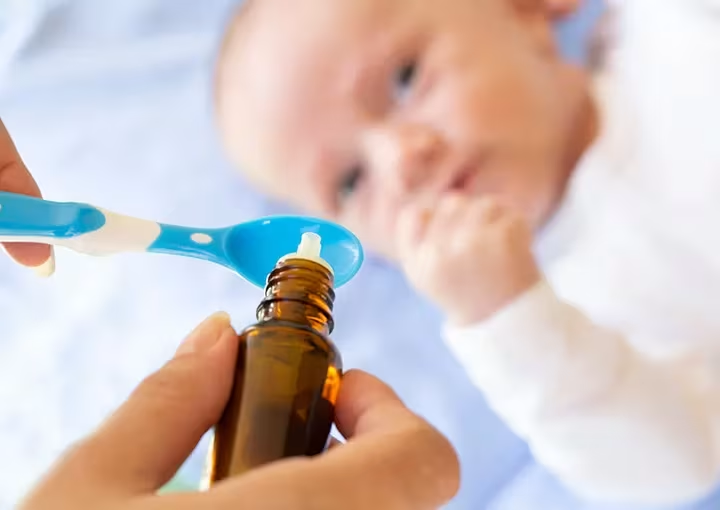
Benefits of Vitamin D for Babies
Unlock the benefits of vitamin D for newborns with expert guidance. When to start supplements? Find out here for your baby's optimal health!
Read more
Oral Thrush in Babies: Causes, Symptoms and Treatment
Oral thrush is a common fungal infection detected in babies. With proper treatment, oral thrush in newborns can be resolved easily. Click here on Pampers India to know more!
Read more
How to stop your newborn baby's hiccups in 10 easy ways
Newborn baby hiccups are very common and usually harmless. Get 10 tips on how to stop your baby's hiccups, and learn what causes baby hiccups and how to prevent them.
Read more
Baby Arching Back: Why Do Babies Arch Their Backs?
Learn why babies might arch their backs. So learn about common reasons, understand when it's normal, potential medical issues, and when to seek professional advice.
Read more
What to Know About Your Baby’s 2-Month Checkup
Curious about what to expect at your baby's 2-month checkup? Read on to learn from pediatricians about the screenings involved, important questions to ask, and how to best prepare for the visit.
Read more
Ear Infections in Babies and Toddlers: Signs and Symptoms
Is your baby pulling their ear, crying, or having trouble sleeping? These may be signs of an ear infection. Learn about the symptoms, causes, treatment, and how to tell if your child has one.
Read more
Neonatal Intensive Care Unit (NICU): Equipment
Get to know the NICU equipment crucial for premature baby care. Find out what tools are in the neonatal intensive care unit and their role in supporting your baby's health and growth.
Read moreNeonatal Intensive Care Unit (NICU): Common Problems
Retrieving data. Wait a few seconds and try to cut or copy again.
Read moreHand, Foot, and Mouth Disease: Causes, Symptoms, Prevention & Treatment Hand, Foot, and Mouth Disease Explained
Hand, Foot, and Mouth Disease (HFMD) in newborns: Learn all the symptoms, causes, prevention tips, and treatment options to tackle this contagious illness in babies. Hand, Foot, and Mouth Disease (HFMD) in newborns: explore symptoms, causes, and treatment options to tackle this contagious illness for your baby's well-being.
Read moreStork Bite Birthmarks
Navigate newborn skin markings: Stork bites, angel kisses, & nevus simplex—frequent birthmarks on baby's face or neck. Uncover their traits and significance.
Read moreBenefits of Vitamin D for Babies
Unlock the benefits of vitamin D for newborns with expert guidance. When to start supplements? Find out here for your baby's optimal health!
Read moreOral Thrush in Babies: Causes, Symptoms and Treatment
Oral thrush is a common fungal infection detected in babies. With proper treatment, oral thrush in newborns can be resolved easily. Click here on Pampers India to know more!
Read moreHow to stop your newborn baby's hiccups in 10 easy ways
Newborn baby hiccups are very common and usually harmless. Get 10 tips on how to stop your baby's hiccups, and learn what causes baby hiccups and how to prevent them.
Read moreBaby Arching Back: Why Do Babies Arch Their Backs?
Learn why babies might arch their backs. So learn about common reasons, understand when it's normal, potential medical issues, and when to seek professional advice.
Read moreWhat to Know About Your Baby’s 2-Month Checkup
Curious about what to expect at your baby's 2-month checkup? Read on to learn from pediatricians about the screenings involved, important questions to ask, and how to best prepare for the visit.
Read more