
When Can Babies Eat Eggs?


If you’re starting your baby on solid foods, you might be thinking about what exactly they can eat and which foods are best for them. Fruit? Check! Vegetables? Check! Meats? Check! But when can babies have eggs? Eggs seem to inspire lots of questions, perhaps because we’re more aware of children’s allergies these days than ever before.
Read on to find out when it’s OK to offer eggs, why eggs have so many health benefits for babies specifically, and which methods of preparing and serving eggs are the safest for babies to eat.

When Can Babies Have Eggs?
One common question is how old babies need to be to eat eggs. You can introduce eggs to your baby around the same time you introduce solid foods, which is around 6 months old.
In the beginning, however, you’ll want to start with very soft or pureed foods (which can include whole grain infant cereals) before you progress to offering more textured foods.
Within two to three months after your little one starts eating solid foods, their expanded diet may include cereal, vegetables, fruits, eggs, and meats as well as breast milk or formula.
The Health Benefits of Eggs for Babies
Eating eggs (both the yolk and whites) has many health benefits, particularly for babies. One large egg (50 grams) contains
Choline is a key nutrient that’s involved in many biological reactions that take place in the body. For infants it’s very important for brain development and function. The same goes for DHA, which plays an important role in infant growth and brain development.

How to Introduce Eggs to Your Baby
Around the time you’re introducing eggs to your infant, it’s important to offer soft, easy-to-swallow foods that will break down into small pieces in their mouth to prevent choking. Since infants don’t yet have teeth, or have very few teeth, they aren’t able to chew—instead they mash foods with their mouths.
So, how do you cook eggs for your baby’s first time?
When it comes to preparing eggs for your baby, offer eggs that are scrambled, hard-boiled, or poached (as long as the eggs are firm and fully cooked). And how should you feed your baby eggs? You’ll want to mash the eggs with a fork to make them easier for your baby to eat.
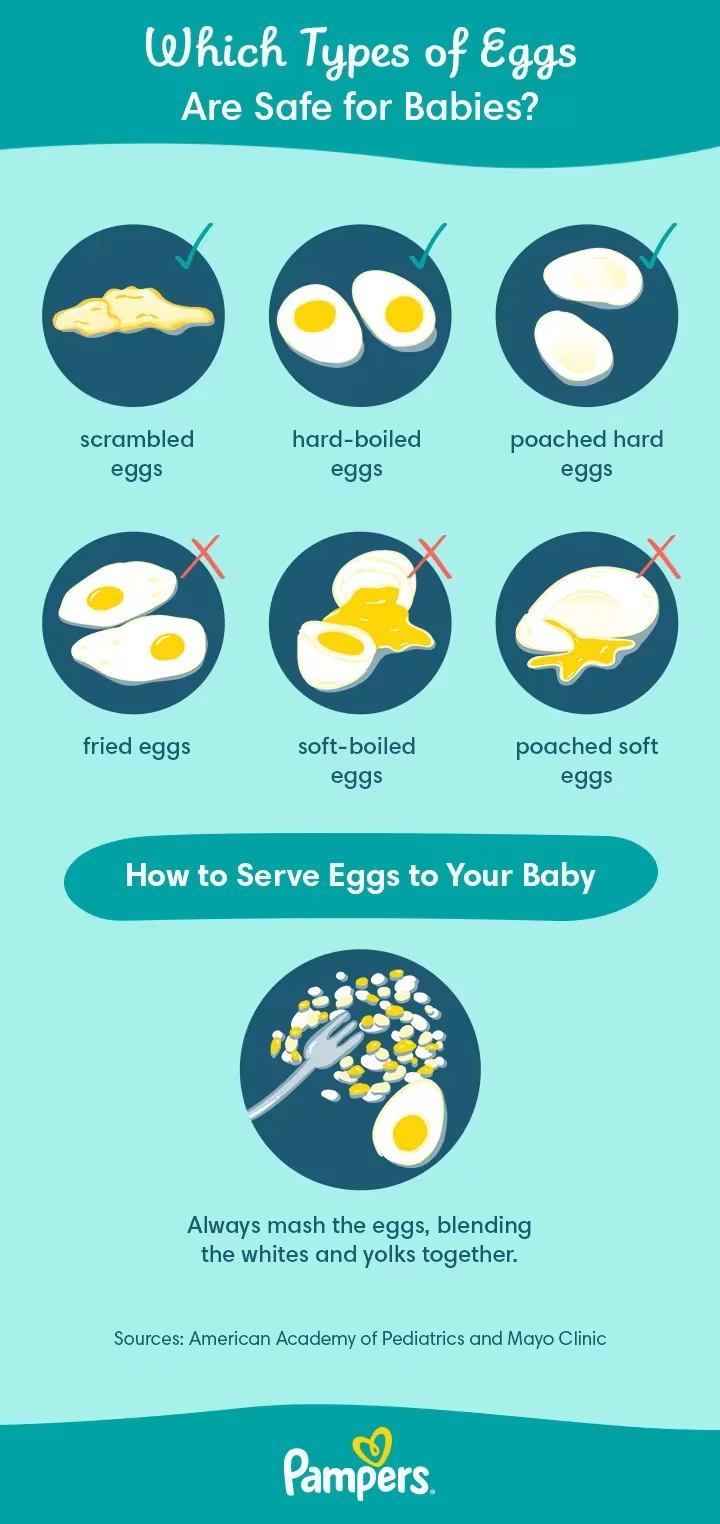
If you’re a follower of baby-led weaning (BLW), you could offer these same preparations for eggs cut into small, finger food-style pieces and give them to your baby to self-feed.
Should You Delay the Introduction of Eggs to Your Baby?
In the past medical experts have advised against introducing eggs to infants and babies early on for fear of allergic reactions. But more recently experts have found there’s no reason to delay the introduction of eggs or other potential food allergens like fish and peanuts.
Introducing eggs to your baby (after 6 months of age) doesn’t increase the risk of an egg allergy or sensitivity. Therefore, delaying the introduction of eggs to your baby isn’t necessary.
Which Egg Dishes Should You Avoid Giving Your Baby?
Though scrambled eggs, hard-boiled eggs, and poached eggs with firm yolks are fine, other methods of preparing eggs in which the yolks are runny and undercooked aren’t recommended for babies—and even adults—due to the risk of salmonella. These include soft-boiled eggs, fried eggs with runny yolks, and poached eggs with runny yolks.
Here are some tips for buying, handling, and cooking eggs safely:
FAQS AT A GLANCE
Introduce scrambled eggs to your baby around the time you start them on solid foods, after 6 months of age. Eggs shouldn’t necessarily be their first food (you'll want to start with purees or very soft food) but introduce eggs along with other textured foods. Be sure to mash the scrambled eggs to make these easier and safer to eat for your baby.
The Bottom Line
Eggs are a great source of protein and other nutrients that are integral to your child’s development. So, despite what has been said in the past, there’s no reason to delay the introduction of eggs to your infant for fear of them developing an egg allergy or sensitivity.
So, when can babies eat eggs? Start offering eggs around the same time you start your baby on solid foods, after 6 months of age. Your little one’s menu can begin with purees and very soft food (like infant cereal) and then expand to include more textured foods, such as eggs, fruits, vegetables, and meats.
Stick to preparations of eggs in which the yolks are fully cooked, such as hard-boiled, scrambled, and poached (with firm yolks). Avoid preparations that have runny yolks (soft-boiled eggs, fried eggs, and runny poached eggs) as there’s a risk of your baby contracting salmonella.
Starting on solid foods is an egg-citing time! Offering all different kinds of foods and watching your baby’s reactions will be priceless.
How We Wrote This Article The information in this article is based on the expert advice found in trusted medical and government sources, such as the American Academy of Pediatrics and the American College of Obstetricians and Gynecologists. You can find a full list of sources used for this article below. The content on this page should not replace professional medical advice. Always consult medical professionals for full diagnosis and treatment.
- Book: Caring for your baby and young child, birth to age 5, Sixth Edition Paperback – November 2, 2014 by American Academy of Pediatrics (Author)
- Book: Guide to Your Baby’s First Years, Second Edition Paperback – 2020 by Mayo Clinic, Walter J. Cook, M.D. Kelsey M. Klaas, M.D. (Authors)
- NCBI: Egg Consumption in Infants is Associated with Longer Recumbent Length and Greater Intake of Several Nutrients Essential in Growth and Development
- CDC: Salmonella and eggs

Newborn to 12 Month Old Baby: Feeding Schedule & Charts
Develop a perfect feeding schedule for your baby with our detailed guide. Ensure your baby receives the right nutrition at every stage of their growth.
Read more
Baby-Led Weaning- (BLW): How to start solids, best foods & safety tips
Baby-led weaning involves introducing solid foods to babies while skipping the pureed food phase. Get expert tips on when to start BLW and the safest foods for BLW.
Read more
How a Lactation Consultant Can Help You
Tips on how lactation consultants can support breastfeeding, addressing issues like sore nipples and low milk supply. Get expert advice to enhance your breastfeeding experience with help from Pampers.
Read more
Cluster Feeding In Newborn Babies: What Is It And How To Manage It?
Cluster feeding is when your baby wants multiple short feeds in a few hours. While completely normal, it can be tiring and challenging. Learn how to deal with cluster feeding here.
Read more
What is nipple confusion and how to prevent it?
Understand what nipple confusion is, its causes, signs, and practical tips to prevent confusion between breast and bottle feeding for newborns.
Read more
5 Tips for Breastfeeding in Public
Make public breastfeeding easier with these tips. Learn how to breastfeed comfortably and what essentials to have on hand for a smooth experience.
Read more
Sore, Cracked, or Bleeding Nipples While Breastfeeding
Effective relief for cracked nipples during breastfeeding. Explore causes, treatments, and prevention methods for soothing comfort. Find solutions for cracked nipples.
Read more
Find Out Whether You Can Consume Caffeine While Breastfeeding
" Can you consume caffeine while breastfeeding? Find out how much caffeine it’s safe to consume while breastfeeding and what effect too much caffeine can have on your breastfeeding baby’s health and well-being."
Read more
The 19 Most Useful Breastfeeding Tips and Tricks
Struggling with breastfeeding? Discover helpful tips to ease the process for you and your newborn. Get started with confidence and ensure a successful breastfeeding journey
Read more
When Can You Introduce Honey to Your Baby
Explore the risks of giving honey to infants and learn when it's safe to introduce this sweet treat to your little one. Get expert guidance here, brought to you by Pampers IN
Read moreNewborn to 12 Month Old Baby: Feeding Schedule & Charts
Develop a perfect feeding schedule for your baby with our detailed guide. Ensure your baby receives the right nutrition at every stage of their growth.
Read moreBaby-Led Weaning- (BLW): How to start solids, best foods & safety tips
Baby-led weaning involves introducing solid foods to babies while skipping the pureed food phase. Get expert tips on when to start BLW and the safest foods for BLW.
Read moreHow a Lactation Consultant Can Help You
Tips on how lactation consultants can support breastfeeding, addressing issues like sore nipples and low milk supply. Get expert advice to enhance your breastfeeding experience with help from Pampers.
Read moreCluster Feeding In Newborn Babies: What Is It And How To Manage It?
Cluster feeding is when your baby wants multiple short feeds in a few hours. While completely normal, it can be tiring and challenging. Learn how to deal with cluster feeding here.
Read moreWhat is nipple confusion and how to prevent it?
Understand what nipple confusion is, its causes, signs, and practical tips to prevent confusion between breast and bottle feeding for newborns.
Read more5 Tips for Breastfeeding in Public
Make public breastfeeding easier with these tips. Learn how to breastfeed comfortably and what essentials to have on hand for a smooth experience.
Read moreSore, Cracked, or Bleeding Nipples While Breastfeeding
Effective relief for cracked nipples during breastfeeding. Explore causes, treatments, and prevention methods for soothing comfort. Find solutions for cracked nipples.
Read moreFind Out Whether You Can Consume Caffeine While Breastfeeding
" Can you consume caffeine while breastfeeding? Find out how much caffeine it’s safe to consume while breastfeeding and what effect too much caffeine can have on your breastfeeding baby’s health and well-being."
Read more