
The 19 Most Useful Breastfeeding Tips and Tricks


Breastfeeding can have many positive effects for both you and your baby. However, it doesn’t come as easy for every mom. These tips and tricks can help you ease into breastfeeding and all the challenges that go along with it.
The Benefits of Breastfeeding
Breastfeeding offers many benefits for babies and mothers. Breast milk is packed with nutrients and antibodies that help boost your baby’s immune system, and breastfeeding can help you form a strong bond with your little one.
Because of these great benefits, it’s worth trying some of these breastfeeding tips and tricks, and speaking to a lactation consultant or your healthcare provider for personalized advice if you need help with breastfeeding.
Each woman's and each baby's experience is different, with some new moms finding that breastfeeding takes a little more effort than others. Whether breastfeeding comes fairly easily or presents a few challenges for you, know that you’re doing great and that things will fall into place over time.

19 Breastfeeding Tips and Tricks
Here are 19 tips and tricks to help make breastfeeding go as smoothly as possible.
1. Attend Breastfeeding Classes
It’s a good idea to get some information and instruction on how to breastfeed while you’re still pregnant, especially if you’re a first-time mother (or if it’s been a while since you’ve breastfed). Research shows that women who learn about breastfeeding during pregnancy are more likely to be successful than those who do not.
Breastfeeding classes may be available at a community center or hospital near you. Your healthcare provider will be able to point you in the direction of classes or a one-on-one session with a lactation consultant.
2. Arm Yourself With the Right Nursing Supplies
Anything that can help make your life simpler and more comfortable while you breastfeed your baby is a welcome addition. Here are some things to consider buying:
3. Let Your Healthcare Provider Know You Plan to Breastfeed
It’s a good idea to tell your healthcare provider while you’re still pregnant that you’d like to breastfeed your baby. That way, your provider can make sure you have the information and resources you need. If you’re putting together a birth plan, you can include your wishes about breastfeeding in that document and also remind your healthcare team about your plans when you're admitted to the hospital to give birth.
If you're taking any medications, your healthcare provider should definitely know that you're planning to breastfeed. In some cases, your provider may recommend an alternative medication for the period while you breastfeed your little one.
4. Breastfeed Right After Birth
It’s beneficial to breastfeed your little one very soon after he is born. Newborns are typically ready to nurse within the first hour after birth.
Those first feeds nourish your baby, of course, and get you both started in figuring out this new skill and routine of breastfeeding. Other benefits include the following:
5. Consider Different Ways to Latch
To breastfeed, your baby needs to “latch on.” This is when your baby is properly attached to your breast with his mouth wide open over your nipple, covering most of your areola, and his nose, lips, and chin close to your breast.
Here are two ways to get your baby to latch on when breastfeeding:
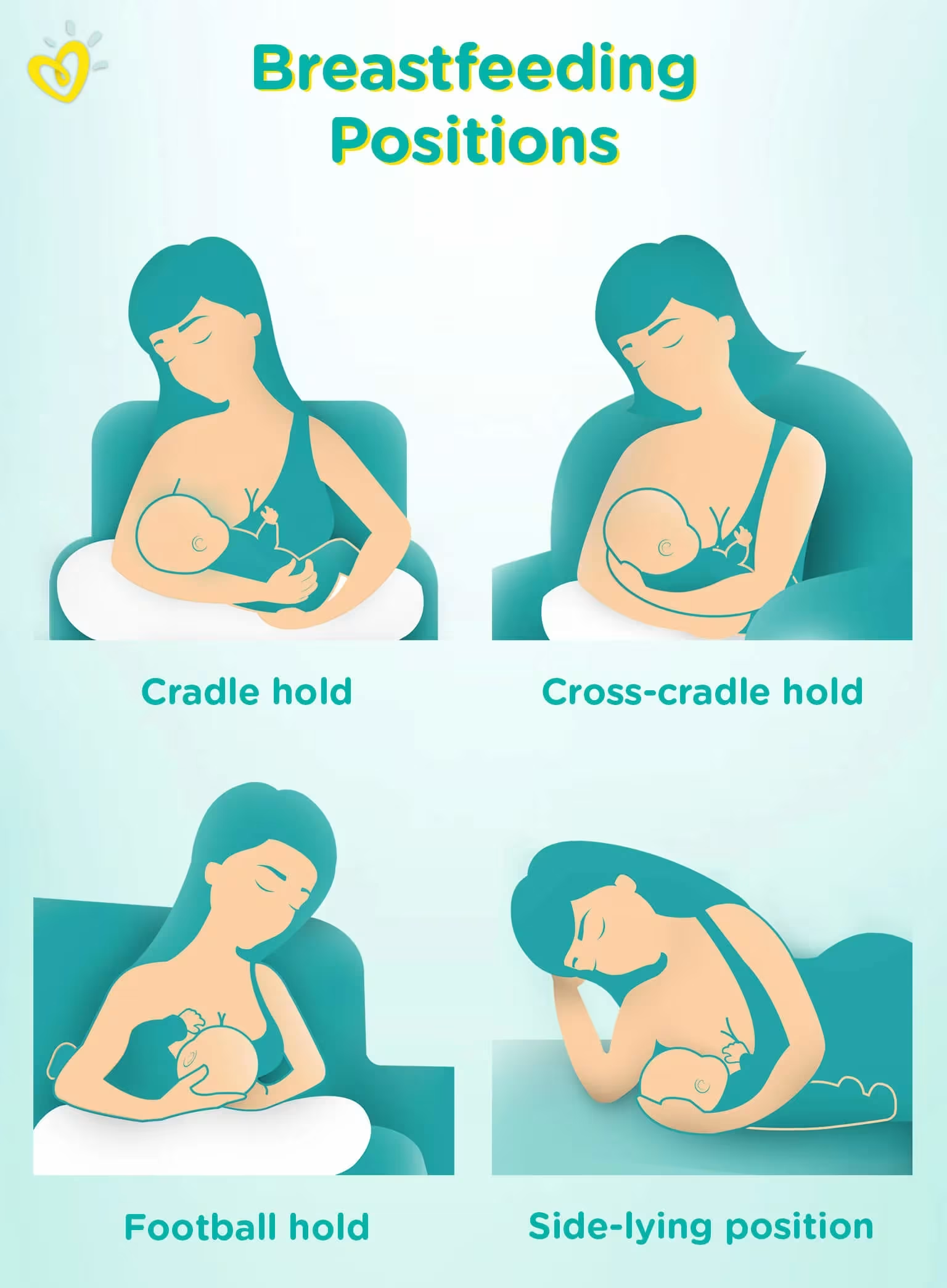
6. Try Different Breastfeeding Positions
There are a variety of breastfeeding positions you could use to help your baby latch on better and help empty your breasts more effectively.
Here are four breastfeeding positions to try:
To help visualize these positions, check out the infographic below:
7. Breastfeed From Both Breasts Equally
If your baby has a preference for one breast, it’s a good idea to offer him the other breast at the next feeding to make sure that both your breasts get emptied equally.
Here’s a handy tip: If you tend to forget which breast your baby last nursed from, attach a safety pin to the bra strap of the other side after a feeding to remind you which side is next.
If your baby still wants to nurse from only one breast, you could pump from the other breast to relieve pressure and ensure that your breast milk supply doesn’t dwindle.
8. Ease the Pain of Engorgement
Engorgement is when the blood vessels in your breasts are swollen and your milk ducts are overfilled with milk, causing discomfort and even pain. It can happen if your baby doesn’t nurse often or efficiently.
The best prevention strategy is to feed your baby whenever she’s hungry, and to make sure she nurses from both of your breasts. The idea is to drain your breasts regularly in order to keep them from becoming painfully hard and swollen. You don’t want to have your breasts become so engorged that your baby can’t latch on properly.
Here are a few more tips for dealing with engorgement:
If these tips don’t work, contact your lactation consultant or your healthcare provider for advice. You don’t have to suffer with breast discomfort or pain—there is help available.
9. Don’t Give Up Breastfeeding If You Have Mastitis
Occasionally a clogged milk duct can get infected. This is a condition called mastitis, and the symptoms include fever- and cold-like symptoms; swollen, painful breasts; breasts that feel hot when touched; a hard lump on your breast; and red streaks on the skin of the breasts.
If you think you may mastitis, call your healthcare provider. Your provider may prescribe an antibiotic that is safe for you to take while breastfeeding your baby. Remember to finish the entire course of antibiotics, even if your symptoms have improved.
In the meantime, there are a few home remedies you can try:
10. Care for Your Nipples
Tender nipples are not unusual during the first few weeks of breastfeeding. Eventually this tenderness will likely go away. To help reduce or prevent nipple discomfort, follow these breastfeeding tips:
After your baby breastfeeds, try these aftercare tips for your nipples:
11. Follow Your Baby’s Cues When It Comes to Breastfeeding
Every baby is different, and yours may want to feed more or less often than other babies, so don’t worry if your baby doesn’t follow the schedule you had expected beforehand.
There is no feeding schedule that you must follow to the letter. Instead, pay attention to your baby’s hunger signals. Keep in mind that how often your baby wants to feed will also change over time, and may go up and down periodically as a result of things like growth spurts.
Signs your baby is hungry may include when she
Crying can be a late sign of hunger, so try not to wait until your baby starts to cry to feed her.
In your baby’s first weeks, your newborn will likely want to feed as often as every 2 to 3 hours (8 to 12 times per day). She may spend 10 to 15 minutes nursing on each breast, or she may even breastfeed for longer stretches.
Extended nursing sessions, as well as feeding more often for a period of time, may be a sign of cluster feedings, which typically happen in the evenings during growth spurts, for example.
12. Check That Your Baby Is Getting Enough Breast Milk
You’re probably wondering if there’s an easy way to check that your baby is getting enough nourishment. Here are five tips for checking that your newborn is getting a sufficient amount of breast milk:
If you’re ever concerned that your baby isn’t eating enough, call your healthcare provider—don’t wait for the next scheduled checkup.

13. Increase Your Milk Supply, If Needed
To help increase your milk supply, here are four things you can do:
Here are some reasons why you may have a low milk supply:
Contact your lactation consultant or healthcare provider for more personalized advice on increasing your breast milk supply.
14. Consider Using a Breast Pump
You may need or want to pump if
There are many different breast pumps available; another option is to choose hand expression. If you’re having trouble deciding, speak with your lactation consultant or healthcare provider for advice. Your lactation consultant can also help you learn how to master hand expression or how to use your new breast pump.
At first, your baby may be a little leery of feeding from a bottle, especially since it will be new to him, but eventually he will get used to it. In some cases, your baby may refuse to take a bottle from you, but he’ll happily take it from your partner or a babysitter. So it’s worth trying different approaches.
15. Wait With Introducing a Pacifier
Giving your baby a pacifier can help soothe her between feeds; however, offering it in those first few weeks can have a negative effect on your milk supply, and discourage your baby from wanting to nurse.
Experts recommend waiting until your baby has gotten used to breastfeeding before offering a pacifier.
Of course, you may use a pacifier sparingly to comfort your baby earlier than that, like when she’s getting a vaccination, but you could also offer her your clean pinky finger to suckle on for comfort during these short periods.
16. Get Prepared for Breastfeeding in Public (If You Choose To!)
At some point, you may like to breastfeed your baby while you’re in a public place. Here are some tips for breastfeeding in public:
17. Pay Attention to Your Nutrition and Well-Being
Maintaining a healthy lifestyle is just as important now that you’re breastfeeding as it was when you were pregnant, and at other times in your life.
Here are some tips to help you stay on track:
18. Avoid Alcohol and Smoking, and Limit Certain Foods
The following tips are reminders that as long as you’re breastfeeding, you’re passing on what you eat and drink to your baby, which means certain things need to be avoided or limited to ensure your baby isn’t affected in a negative way:
19. Get Help If You’re Struggling With Breastfeeding
If breastfeeding is difficult or uncomfortable, don't hesitate to reach out for help, and don't be embarrassed. Breastfeeding is a natural process but it does takes time and practice, and problems can crop up along the way. There are many people and resources you can turn to for guidance and support: your own healthcare provider, the nurses and staff in the hospital, a lactation consultant, and also organizations such as La Leche League International.
The Bottom Line
Breastfeeding can be challenging at times, especially if you’re a new mom, and it’s normal to feel a little anxious about it.
By following these tips and getting some professional help, you’ll soon get the hang of it. Plus, the more you nurse, the more milk you’ll produce, and the more practice you’ll get. Before long, breastfeeding will become a routine and enjoyable part of your day, and you’ll look forward to the special bonding time it gives you and your baby.
How We Wrote This Article The information in this article is based on the expert advice found in trusted medical and government sources, such as the American Academy of Pediatrics and the American College of Obstetricians and Gynecologists. You can find a full list of sources used for this article below. The content on this page should not replace professional medical advice. Always consult medical professionals for full diagnosis and treatment.
- Mayo Clinic: Breast-feeding tips: What new moms need to know
- Mayo Clinic: Breast-feeding nutrition: Tips for moms
- Kids Health: Nursing Positions
- OWH: Breastfeeding in public
- Kids Health: Breastfeeding FAQs: Supply and Demand
- LLLI: Positioning
- Mayo Clinic: Breast-feeding and medications: What's safe?
- LLLI: Mastitis
- ACOG: Breastfeeding Your Baby
- Healthy Children: Nursing Supplies
- Book: Your Pregnancy and Childbirth: Month to Month, Sixth Edition Paperback – January 1, 2016
- by American College of Obstetricians and Gynecologists (Author)
- Book: Caring for your baby and young child birth to age 5, Sixth Edition Paperback – November 2, 2014 by American Academy of Pediatrics (Author)

Newborn to 12 Month Old Baby: Feeding Schedule & Charts
Develop a perfect feeding schedule for your baby with our detailed guide. Ensure your baby receives the right nutrition at every stage of their growth.
Read more
Baby-Led Weaning- (BLW): How to start solids, best foods & safety tips
Baby-led weaning involves introducing solid foods to babies while skipping the pureed food phase. Get expert tips on when to start BLW and the safest foods for BLW.
Read more
How a Lactation Consultant Can Help You
Tips on how lactation consultants can support breastfeeding, addressing issues like sore nipples and low milk supply. Get expert advice to enhance your breastfeeding experience with help from Pampers.
Read more
Cluster Feeding In Newborn Babies: What Is It And How To Manage It?
Cluster feeding is when your baby wants multiple short feeds in a few hours. While completely normal, it can be tiring and challenging. Learn how to deal with cluster feeding here.
Read more
What is nipple confusion and how to prevent it?
Understand what nipple confusion is, its causes, signs, and practical tips to prevent confusion between breast and bottle feeding for newborns.
Read more
5 Tips for Breastfeeding in Public
Make public breastfeeding easier with these tips. Learn how to breastfeed comfortably and what essentials to have on hand for a smooth experience.
Read more
Sore, Cracked, or Bleeding Nipples While Breastfeeding
Effective relief for cracked nipples during breastfeeding. Explore causes, treatments, and prevention methods for soothing comfort. Find solutions for cracked nipples.
Read more
Find Out Whether You Can Consume Caffeine While Breastfeeding
" Can you consume caffeine while breastfeeding? Find out how much caffeine it’s safe to consume while breastfeeding and what effect too much caffeine can have on your breastfeeding baby’s health and well-being."
Read more
When Can You Introduce Honey to Your Baby
Explore the risks of giving honey to infants and learn when it's safe to introduce this sweet treat to your little one. Get expert guidance here, brought to you by Pampers IN
Read more
When Can Babies Eat Eggs?
Wondering when it's safe to give eggs to your baby? Explore tips on introducing eggs safely into your baby's diet and how to prepare them. Plus, find Pampers IN for more parenting advice.
Read moreNewborn to 12 Month Old Baby: Feeding Schedule & Charts
Develop a perfect feeding schedule for your baby with our detailed guide. Ensure your baby receives the right nutrition at every stage of their growth.
Read moreBaby-Led Weaning- (BLW): How to start solids, best foods & safety tips
Baby-led weaning involves introducing solid foods to babies while skipping the pureed food phase. Get expert tips on when to start BLW and the safest foods for BLW.
Read moreHow a Lactation Consultant Can Help You
Tips on how lactation consultants can support breastfeeding, addressing issues like sore nipples and low milk supply. Get expert advice to enhance your breastfeeding experience with help from Pampers.
Read moreCluster Feeding In Newborn Babies: What Is It And How To Manage It?
Cluster feeding is when your baby wants multiple short feeds in a few hours. While completely normal, it can be tiring and challenging. Learn how to deal with cluster feeding here.
Read moreWhat is nipple confusion and how to prevent it?
Understand what nipple confusion is, its causes, signs, and practical tips to prevent confusion between breast and bottle feeding for newborns.
Read more5 Tips for Breastfeeding in Public
Make public breastfeeding easier with these tips. Learn how to breastfeed comfortably and what essentials to have on hand for a smooth experience.
Read moreSore, Cracked, or Bleeding Nipples While Breastfeeding
Effective relief for cracked nipples during breastfeeding. Explore causes, treatments, and prevention methods for soothing comfort. Find solutions for cracked nipples.
Read moreFind Out Whether You Can Consume Caffeine While Breastfeeding
" Can you consume caffeine while breastfeeding? Find out how much caffeine it’s safe to consume while breastfeeding and what effect too much caffeine can have on your breastfeeding baby’s health and well-being."
Read more