8-Step Guide on How to Use a Breast Pump


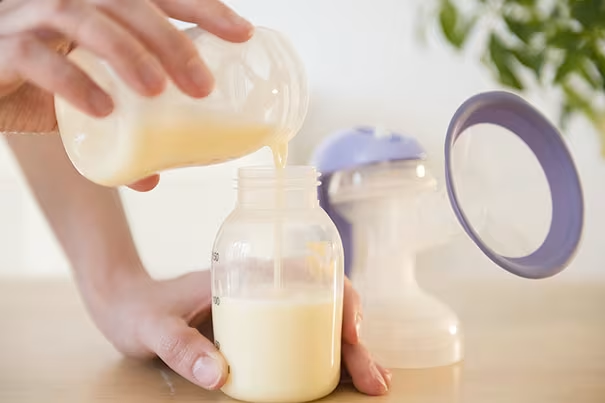
Breastfeeding is an essential aspect of a baby's development. For mothers who cannot manage regular feeding sessions, a breast pump proves to be a good solution. It is a boon for working mothers and allows homemakers a chance to free up time for carrying out their household chores.

New mothers use breast pumps for a number of reasons. A pump can be used for convenience, stimulating milk supply, or due to medical reasons. In a refrigerated state, the suctioned breast milk can be stored for up to 5 days.
Using the pump for the first time may be confusing. Given below is a step-by-step guide that will help you use the pump efficiently:
Find a comfortable place, preferably the same one where you breastfeed your baby. Wash your hands before beginning the session. Stay calm and relaxed. Practice deep breathing if required. Have a good snack before and during the pumping session. Stay hydrated and think about your baby. Click here for the post pregnancy diet plan to keep you and your baby healthy.
Sit in your comfortable breastfeeding position with your shoulders relaxed. Massage your breasts before beginning.
Read the instructions on the user manual and assemble the kit.
Pick the breast phalange from the kit. Ensure it is the right size. Place the phalange correctly at the centre of your nipple and press it lightly against your breast. Maintain a distance between your nipple and the wall of the phalange. Adjust it carefully so that you do not pinch yourself.
Lean a bit forward and start the pump. Set the speed to the highest limit and suction to a low level.
Once you see milk dripping, decrease the speed to medium level and increase the suction to a comfortable level. Continue to pump the breasts for 10 to 15 minutes. If you are pumping both the breasts, switch between them every 5 minutes.
When the milk flow decreases, increase the speed once again. Set it back to medium level when the flow improves. Keep following this fast and slow pattern till you're done.
Wash your hands after the session. Remember to clean all the parts of the pump kit thoroughly.
Getting used to a breast pump takes time. It may feel a bit odd in the beginning, but the process becomes quick and simple with practice.
A good pump does not cause pain if used the correct way. Hence, it is important to learn the usage process before attempting it. To stay updated with the dos and don'ts for each stage of pregnancy and post-pregnancy browse through the expert tips from Pampers India. The brand ensures a happy and healthy journey for both you and your baby.

Related Articles:
Useful Tools:

Everything to Know About Dream Feeding Your Newborn
Learn how to successfully dream feed your newborn baby. Discover when it’s beneficial, tips for success, and how this strategy can improve your baby’s sleep patterns.
Read more
Understanding the Differences Between Manual and Electric Breast Pumps
Learn the pros and cons of manual vs electric breast pumps. Choose the best one for your needs with tips on comfort, efficiency & usage.
Read more
Five Breastfeeding Positions and Tips
If you’re having trouble finding a comfortable breastfeeding position, these useful tips and graphics will help to make it an enjoyable experience.
Read more
Baby's First Breastfeeding: When and How to Start Nursing
Learn how to breastfeed your baby for the first time with Pampers India. Experience the beautiful journey of breastfeeding your new born baby here.
Read more
Foods To Increase Breastmilk Production
Discover foods that increase breast milk production, including Indian diet options and natural lactation-boosting ingredients.
Read more
How to Store Breast Milk: All About Proper Storage
It’s possible that you may not always be available to nurse, especially in the later stages when mommy needs to get back to work or has other responsibilities. Click here on Pampers India if you want to know how to store breast milk.
Read more
Breast feeding 101
Breastfeeding is a natural process that can benefit both you and your baby, but it can be hard! Here are our answers to common breastfeeding questions.
Read more
Giving Your Baby Water: How and When to Start
Learn when babies can drink water safely & why it's crucial to wait. Get expert advice on the right age for your little one to start hydrating.
Read more
A Perfect Diet Plan for a Breastfeeding Mom
Read our comprehensive guide on healthy and balanced diet plans for breastfeeding mothers. Because having a nutritious breastfeeding diet is crucial for both you and your baby's well-being.
Read moreEverything to Know About Dream Feeding Your Newborn
Learn how to successfully dream feed your newborn baby. Discover when it’s beneficial, tips for success, and how this strategy can improve your baby’s sleep patterns.
Read moreUnderstanding the Differences Between Manual and Electric Breast Pumps
Learn the pros and cons of manual vs electric breast pumps. Choose the best one for your needs with tips on comfort, efficiency & usage.
Read moreFive Breastfeeding Positions and Tips
If you’re having trouble finding a comfortable breastfeeding position, these useful tips and graphics will help to make it an enjoyable experience.
Read moreBaby's First Breastfeeding: When and How to Start Nursing
Learn how to breastfeed your baby for the first time with Pampers India. Experience the beautiful journey of breastfeeding your new born baby here.
Read moreFoods To Increase Breastmilk Production
Discover foods that increase breast milk production, including Indian diet options and natural lactation-boosting ingredients.
Read moreHow to Store Breast Milk: All About Proper Storage
It’s possible that you may not always be available to nurse, especially in the later stages when mommy needs to get back to work or has other responsibilities. Click here on Pampers India if you want to know how to store breast milk.
Read moreBreast feeding 101
Breastfeeding is a natural process that can benefit both you and your baby, but it can be hard! Here are our answers to common breastfeeding questions.
Read moreGiving Your Baby Water: How and When to Start
Learn when babies can drink water safely & why it's crucial to wait. Get expert advice on the right age for your little one to start hydrating.
Read more