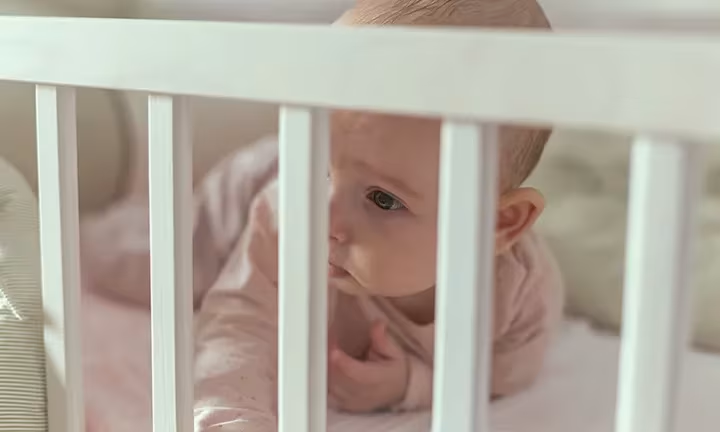
Everything Explained About The Ferber Method for Sleep Training


Key Takeaways:
- The Ferber Method is a sleep training method to help infants and toddlers learn to self-soothe and sleep independently. By gradually increasing the time between comfort checks, your little one gains confidence to fall asleep on their own.
- Instead of picking up your baby, offer them reassurance at their crib, making suer sure they're safe and comfortable.
- Sleep training preferences are different for every baby and parent, always check in with your pediatrician.
- For more tips from dedicated sleep experts like Mandy, plus sleep tracking and more, try the Smart Sleep Coach by Pampers™ app, to put your peaceful sleep routine in place.
As you start to learn about different sleep training techniques for your baby, you may come across the Ferber method. Also known as “Graduated Crying-It-Out,” the Ferber method is just one option among many for sleep training. We’ve got the details about this technique, so keep reading to learn more about what it entails and whether it’s right for you and your baby.

What Is the Ferber Method?
If you’re unfamiliar with the Ferber method of sleep training, it’s helpful to know that this is a strategy that’s closely associated with pediatric sleep expert Richard Ferber, M.D., who, along with other experts, suggests that babies can learn to soothe themselves to sleep when parents follow certain guidelines. Some parents refer to the technique as “Ferberizing” your baby.
Another well-known name for the strategy is Graduated Crying-It-Out. Just as the name indicates, you gradually let your baby “cry it out” to fall asleep. But unlike the full crying-it-out method, you’ll still respond to your baby’s cries throughout the night. However, you’ll slowly increase the intervals between response times and allow your baby to cry, which is believed to help them learn to fall asleep on their own in time.
How Does the Ferber Method Work?
If you’re wondering how “to do” the Ferber method to sleep train your baby, the technique is fairly straightforward. You’ll simply allow them to “cry it out” for gradually increasing periods of time.
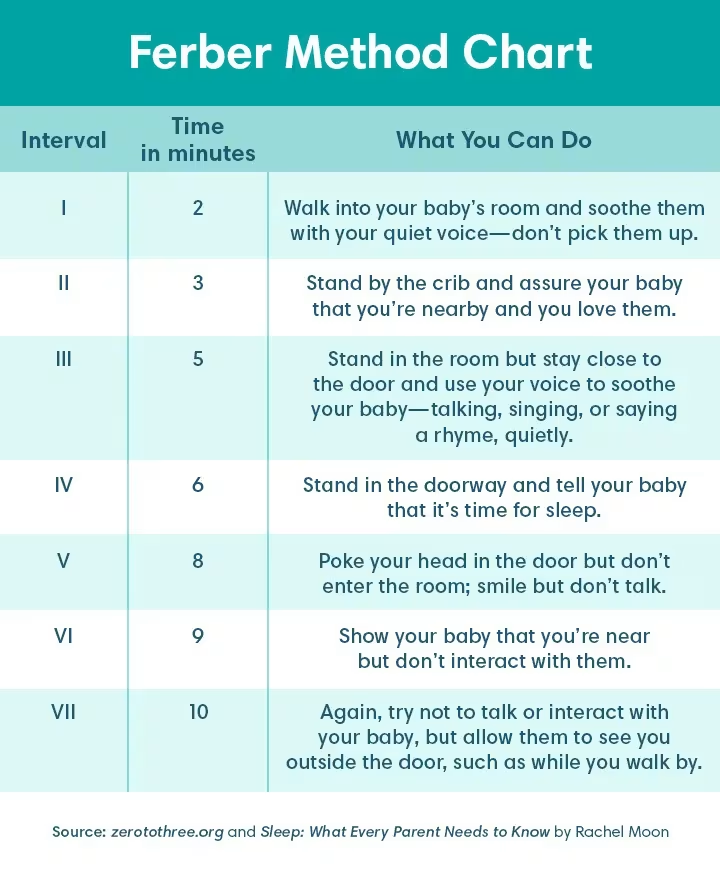
You’ll start small, just letting your baby cry for a couple of minutes before checking on them. Then, as the night goes on, you’ll gradually increase the time you wait before you respond to your baby’s crying, but waiting no longer than 10 minutes.
This structure can change based on what you and your baby need, but could look something like this, as an example:
Although the Ferber method is a sleep training technique that’s most often used for night time slumber, you could also use it for naps to keep your baby’s sleep consistent.
Ferber Method Chart, Schedule, and Guide
Again, you’re in charge of how long to make each interval. But to give you a step-by-step idea of what the Ferber method sleep training schedule could look like, check out the example of a Ferber method sleep chart below:
Tip
It can be tricky to land on that perfect sleep routine for both you and your little one. Fortunately, you don’t have to go it alone. Get equipped for your best sleep with the experts from Smart Sleep Coach. They’ll help you analyze your baby’s biological sleep patterns, as well as help you determine the perfect windows for sleep. At Smart Sleep Coach, they’re not just pediatric sleep consultants—they’re parents who have been through the same sleep journey you’re on now and they’re ready to help turn you and your baby into a dream team for Zzz’s.
Get a Smart Sleep Coach sneak peek in the video below!
When to Start the Ferber Method
When to start the Ferber method or any other type of sleep training may depend on a couple of factors:
By 3 months, 90 percent of babies have started consolidating their sleep, sleeping six to eight hours a night without waking. So, experts advise that parents can start sleep training as young as 4 months. But, of course, remember that your little one may still be sleeping in your room at that age, so it’s more common for parents to start sleep training after 6 months.
How Long Does the Ferber Method Take to Work?
Most sleep training techniques, including the Ferber method, require at least a few days to start taking effect. It's possible that your baby could fall asleep within just one or two intervals after a few days of the Ferber method. Of course, all babies are different, and yours might take a little longer to learn how to fall asleep and stay asleep on their own.
In time, most babies will naturally fall asleep by themselves following their own natural rhythms. However, some babies are more sensitive to stimulation or have longer, louder bouts of crying. If your little one falls into that category, know that it might take a little longer to be successful with sleep training, but that, eventually, they will fall asleep on their own without any tears.

Is the Ferber Method Harmful?
Children's health and development experts agree that when infants receive love and attention during their waking hours, using the Ferber method isn’t harmful. It doesn’t damage babies or disrupt the relationship between babies and their parents.
Learning how to fall asleep on their own is an important developmental milestone that babies will need to reach, and short periods of crying have been known to help children settle down, unwind, and fall asleep. Of course, all babies are different, and the Ferber method might not work for everyone. But as long as you’re giving your baby lots of love and responding to their needs when they're awake during the day, your baby will be fine whether you choose the Graduated Crying-It-Out method or another sleep strategy.
Families who have adopted the Ferber method sleep training technique have observed the following benefits:
Is There a Modified Ferber Method?
If you opt for the Ferber method sleep training technique, feel free to modify it as needed. For example, if your baby is screaming and very upset during the Ferber method, you can adjust the intervals and check on your little one more often. Remember, no two babies or families are alike, so the Ferber method may not work for you—but that doesn’t mean you have to give up on it completely. Modifying the Ferber method might make the technique take longer to be effective, but some children naturally need more time and more attention during sleep training than others.
Tip
Make sure your little one isn’t ill when you introduce sleep training. If your baby seems unwell, check them for fever, runny nose, irritability, diarrhea, and other common symptoms of illness, especially if their cries seem extra loud.
Beyond the Ferber Method: Other Sleep Training Techniques
The Ferber method is just one sleep training technique for you to consider. There are many other sleep strategies for a baby and even for sleep training a toddler, which include the following:
FAQS AT A GLANCE
You can start the Ferber method sleep training from 4 months to 1 year of age. Experts recommend waiting until your baby is sleeping consistently for long stretches during the night, as well as sleeping in their own room.
The Bottom Line
The Ferber method is just one option when it comes to sleep training, and it’s up to you to decide what technique is best for you and your baby (though you can always ask your child’s healthcare provider for advice).
If you haven’t heard of the Ferber method before, perhaps its other name is more familiar: Graduated Crying-It-Out. Just as it sounds, you’ll let your baby “cry it out” to learn how to fall asleep on their own. But, instead of not responding at all to your baby’s cries, you’ll let your little one cry in gradually increasing intervals, up to 10 minutes at a time.
Experts agree that any type of sleep training that involves your baby “crying it out” isn’t harmful if done correctly. That means taking into account your baby’s individual personality, temperament, and needs. Some babies may be ready to start the Ferber method at 4 months of age, but some may need to wait until 6 months or later. And because you’ll give your child lots of love and attention during their waking hours, graduated or complete “crying it out” won’t cause any emotional damage to your little one or negatively impact your relationship with them.
But the Ferber method isn’t for everyone and is a personal decision. Although it has its benefits and typically takes only a few days to take effect, you must decide if it’s the right approach for your family.
If you need help with sleep training techniques beyond the Ferber method, take our free 5 Fundamentals of Baby Sleep Class. As always, be sure to consult your child’s healthcare provider if you have additional questions or concerns.
How We Wrote This Article The information in this article is based on the expert advice found in trusted medical and government sources, such as the American Academy of Pediatrics and the American College of Obstetricians and Gynecologists. You can find a full list of sources used for this article below. The content on this page should not replace professional medical advice. Always consult medical professionals for full diagnosis and treatment.
- Book: Caring for your baby and young child birth to age 5, Sixth Edition Paperback – November 2, 2014, by American Academy of Pediatrics (Author)
- Book: Sleeping Through the Night: How Infants, Toddlers, and Their Parents Can Get a Good Night's Sleep by Dr. Jodi Mindell. Published March 15, 2005, by William Morrow Paperbacks
- Book: Sleep: What Every Parent Needs to Know. American Academy of Pediatrics. Rachel Moon (Editor). September 3, 2013
- Healthy Children: A Parents’ Guide to Safe Sleep
- Healthy Children: Getting Your Baby to Sleep
- La Leche League International: Sleep Training or Not
- Zero to Three: Helping Babies Learn to Fall Asleep on Their Own

Baby and Toddler Nap Schedules
Effective strategies for establishing a nap schedule tailored to your baby's needs. Learn about ideal nap durations and the number of naps recommended for infants and toddlers.
Read moreBaby Sleep Training: Nap and Bedtime Routines
A well-rested baby will actually sleep better at night. So, try your best to keep nap times consistent during the day. Watch and learn more.
Read more
Babies and toddlers in cars: Top safety tips
Read these car safety tips for babies & toddlers. From ensuring that you have the appropriate gear, to the best driving habits, this guide has it covered.
Read more
Baby Sleep Training
As every new parent knows, it can be challenging to put your baby to bed. Developing good bedtime habits is crucial, especially when the baby is four-month old. Click here on Pampers India for the best baby sleep training routine.
Read more
How To Put Your Baby To Sleep Fast: 9 Tips & Tricks
Learn simple techniques on how to make your newborn baby or infant sleep quickly. Discover proven ways to help your put your baby to sleep at night.
Read more
How Long Does 4-Month Sleep Regression Last and What Are the Causes?
Identify the symptoms of 4-month sleep regression and gain insights into managing your baby's sleep changes during this developmental phase.
Read more
When Can Babies Start Sleeping With Blankets?
why blankets increase the risk of SIDS in the first 12 months. Learn when it's safe for your baby to sleep with a blanket and get expert advice on baby sleep safety. Read on for crucial tips to keep your infant safe.
Read more
How Much Sleep Does a Toddler Need?
Find out how much sleep your toddler needs, effective toddler nap tips, and bedtime routines. Get insights on handling nightmares, teeth grinding, and more for a restful sleep
Read more
Everything Explained About the Cry-It-Out Method for Your Baby's Sleep Training
Sleep training methods like 'cry it out' may work for some families and not for others. Learn more about how to try this tactic to help your baby sleep better.
Read more
Why an Early Bedtime Is Important to Babies and Toddlers
the importance of infant sleep routines & newborn bedtime practices. Uncover evolving sleep needs & the significance of a consistent bedtime routine for infants & toddlers.
Read moreBaby and Toddler Nap Schedules
Effective strategies for establishing a nap schedule tailored to your baby's needs. Learn about ideal nap durations and the number of naps recommended for infants and toddlers.
Read moreBaby Sleep Training: Nap and Bedtime Routines
A well-rested baby will actually sleep better at night. So, try your best to keep nap times consistent during the day. Watch and learn more.
Read moreBabies and toddlers in cars: Top safety tips
Read these car safety tips for babies & toddlers. From ensuring that you have the appropriate gear, to the best driving habits, this guide has it covered.
Read moreBaby Sleep Training
As every new parent knows, it can be challenging to put your baby to bed. Developing good bedtime habits is crucial, especially when the baby is four-month old. Click here on Pampers India for the best baby sleep training routine.
Read moreHow To Put Your Baby To Sleep Fast: 9 Tips & Tricks
Learn simple techniques on how to make your newborn baby or infant sleep quickly. Discover proven ways to help your put your baby to sleep at night.
Read moreHow Long Does 4-Month Sleep Regression Last and What Are the Causes?
Identify the symptoms of 4-month sleep regression and gain insights into managing your baby's sleep changes during this developmental phase.
Read moreWhen Can Babies Start Sleeping With Blankets?
why blankets increase the risk of SIDS in the first 12 months. Learn when it's safe for your baby to sleep with a blanket and get expert advice on baby sleep safety. Read on for crucial tips to keep your infant safe.
Read moreHow Much Sleep Does a Toddler Need?
Find out how much sleep your toddler needs, effective toddler nap tips, and bedtime routines. Get insights on handling nightmares, teeth grinding, and more for a restful sleep
Read more