
11 Healthy Sleep Habits New Parents Need to Know


There’s a lot that goes into preparing to bring your baby home for the first time. But a lot of it is logistics––and we want to remind you not to forget about preparing for how to approach baby sleep.
For many babies, setting up the sleep fundamentals for them from day one is all they need to start sleeping like a dream (once they are developmentally ready that is). Knowing how to establish healthy sleep habits is an important part of this.
Here we go over 11 healthy baby sleep habits that are scienced-backed and proven to help encourage restful, long-stretches of sleep, and set your baby up to tackle the inevitable sleep regression and sleep disturbances that are to be expected in their first year of life.

Top 11 Healthy Habits to Help Your Baby Sleep
Consistent Soothing Bedtime Routine
A predictable series of steps that happen in the same order each night will signal to your baby that it's bedtime, creating a healthy nighttime habit for anyone involved. The habit of a bedtime routine doesn't have to be long or complicated––it just needs to be consistent. A song, story, diaper change, and little cuddle are just enough, if done consistently. Make sure to keep feeding separate from your bedtime routine to prevent your baby relying on feeding to fall asleep.
Separate Feeding and Sleep
Separating feeding from sleep at an early age creates the healthy sleep habit of being able to fall asleep independently and not rely on food to fall asleep or fall back asleep. This makes nighttime easier as they get older and go through sleep regression or changes in sleep cycles. Many parents follow the Eat Sleep Play schedule to create a structured daytime routine to help their baby not associate feeding with sleep, and also help regulate their internal clock, which is key for eventually sleeping longer stretches overnight.
Regular Sleep Schedule
A sleep schedule that aligns with your baby's natural circadian rhythms regulates the sleep and wake cycles, making it easier for them to fall asleep faster and sleep for longer stretches. The Smart Sleep Coach by PampersTM app can tell you exactly when to put your baby to sleep based on their circadian rhythm, so the moment you put them down they don’t protest or struggle to fall asleep.
Consistent, Age-Appropriate Naps
Have you ever heard the saying that “sleep begets sleep”? For babies, getting enough sleep during the daytime hours is key for ensuring restful, long stretches of sleep at night. Getting in the sleep habit of an age-appropriate daytime nap schedule prevents overtiredness, promotes optimal growth and development, and improves mood and behavior. Plus, it gives parents some much needed time to base other plans, chores, or self-care around.
Safe and Comfy Sleep Space
Healthy baby sleep habits are all based around practicing safe sleep practices. Ensuring their sleep environment is also dark, cool, and quiet can help promote the most restful sleep and sustain sleep habits. Experts recommend blackout curtains to keep out light and the ideal room temperature of 68-72 degrees Fahrenheit. The consistency of a white noise machine can also cue to your baby it’s time for sleep.
Pay Attention to Sleep Cues
Respect your baby’s circadian rhythm by following their natural sleepy cues and wake windows, and not the clock. Sleep cues can include rubbing their eyes or getting fussy. The moment you notice a sleep cue you should get in the habit of putting them right to sleep. The Smart Sleep Coach’s Smart Schedule can help you track sleep patterns and remind you when to look for sleepy cues.
Flexible Bedtime
While a bedtime routine should be followed consistently, it’s important to adjust bedtime based on how your baby slept during the day. The most restorative sleep happens before midnight, so if a nap was short or skipped, an earlier bedtime can get them back whatever sleep they missed during naps.
Encourage Self-Soothing, When Appropriate
Falling asleep independently is the goal for baby sleep––we don’t want them to rely on external support or bad sleep habits to fall asleep or fall back asleep. If your baby wakes unexpectedly, instead of rushing in to offer support try to give them a moment to self-settle. Oftentimes they can figure it out, no problem! Keep in mind encouraging self-soothing doesn’t mean not to respond to their needs if they wake at night. If you’re unsure of how to help your baby self-soothe, take this free 3-minute sleep quiz and get a personalized plan tailored to your baby’s sleep needs.

Confidence in Managing Sleep
Get in the habit of telling yourself that you’re doing everything you can to help your baby become a strong independent sleeper. in your ability to help your baby sleep better. Stay calm and consistent and remember––sleep challenges in babies are normal
Respect Your Baby's Sleep Needs
Babies need significantly more sleep than adults. Parents and caregivers need to adjust schedules and expectations to accommodate their sleep requirements. This includes doing what you can to get your baby the daytime sleep they need, even if it occasionally needs to be in a car or stroller ride, and not pushing wake windows if not absolutely necessary.
Don’t Stress About Sounds
Babies are noisy, especially as newborns! Be prepared for noisy sleep patterns and even some flailing or banging. Try and resist the urge to check on your baby at every sound so you don’t accidentally wake them.
Use the Apps
Taking advantage of resources created by pediatricians and sleep experts to help parents like you navigate baby sleep should be top of your list! The Smart Sleep Coach app is an example of a way to stay on top of your baby’s sleep and be prepared for the inevitable sleep disturbances of the first year or so of laugh. An optimized sleep schedule and environment, and encouraging good sleep habits, are the best ways to help support your child’s journey to being a healthy, independent sleep habit.
FAQs at a Glance
Sleep patterns for a baby change through the beginning of life. Newborns, for example, have short wake windows and typically sleep up to 17 hours a day, waking often to eat both day and night. The length of wake windows increases as your baby ages, until your baby sleeps less during the day and for longer stretches at night.
The Bottom Line
Healthy baby sleep habits are key for restful sleep for your baby. By doing your best to encourage healthy sleep habits in your baby, you will set them up for a life of positive sleep associations and developmental growth.
How We Wrote This Article The information in this article is based on the expert advice found in trusted medical and government sources, such as the American Academy of Pediatrics and the American College of Obstetricians and Gynecologists. You can find a full list of sources used for this article below. The content on this page should not replace professional medical advice. Always consult medical professionals for full diagnosis and treatment.
- CDC, “How Much Sleep Do I need?”
- American Academy of Pediatrics, “Caring for Your Baby and Young Child: Birth to Age 5”
- American Academy of Pediatrics, “The Wonder Years”
- Annals of Nutrition and Metabolism, “Sleep and Early Brain Development”
- Nature and Science of Sleep, “Infant sleep and its relation with cognition and growth: a narrative review”

What to Do if Your Baby Only Sleeps When Held
Discover when it’s okay to hold your baby while they sleep and get expert tips on how to help your baby sleep peacefully in their crib for longer, independent rest
Read more
Tips for Getting Your Baby to Sleep in a Crib
Essential tips for your infant's crib sleep, from transitioning to crib to ensuring safety. Get expert advice on newborn crib use and optimizing your baby's sleep environment.
Read more
When Do Kids Stop Taking Naps?
Uncover when children typically outgrow naps and how to recognize signs indicating it's time to phase them out. Get practical tips for navigating the nap transition smoothly.
Read more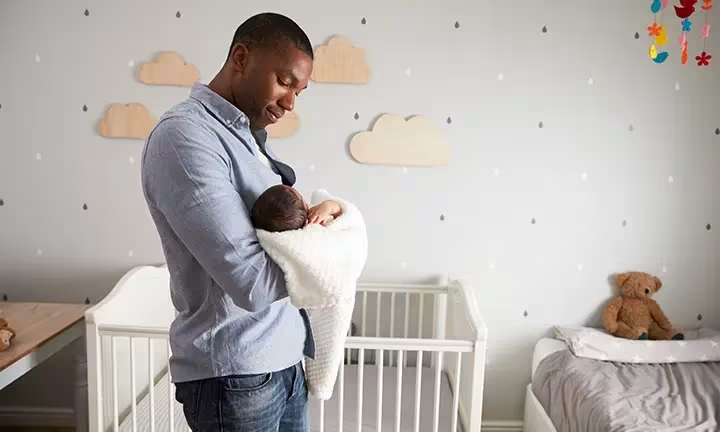
25 Lullaby Lyrics and Bedtime Songs to Help Your Baby Fall Asleep
Best Soothing lullabies for newborns! Ease your baby into sleep with timeless infant songs and nursery rhymes. Explore our collection for a peaceful bedtime routine.
Read more
Safe Sleep for Babies: A Practical Guide
how to ensure safe sleep for infants and create a secure sleeping environment to prevent SIDS and reduce accident risks. Learn essential tips on infant sleep, including how infants sleep best.
Read moreWhy Wake Windows Are More Important Than the Clock
Discover why wake windows are essential for your baby’s sleep. Learn how to use wake windows to optimise their sleep schedule and encourage longer, more restful nights.
Read more
When to Convert Crib to a Toddler Bed?
Learn the ideal time to transition your child from a crib to a toddler bed. Discover safety tips and strategies to make the move easy, comfortable, and stress-free.
Read more
Why Your Baby Shouldn't Sleep on Their Stomach
Learn when it's safe for infants to sleep on their stomachs. Learn the recommended age and essential safety measures for your baby's peaceful sleep.
Read more
When Do Babies Start Sleeping Through the Night?
Curious about when newborns start sleeping through the night? Explore insights on nighttime sleep patterns and strategies to support your baby's peaceful slumber
Read more
Early Rising Baby: What to Do When Your Child Wakes Up Too Early
Discover effective strategies to manage early rising in children. Learn how to help your child sleep longer and wake up at a more suitable time with expert tips from Pampers IN
Read moreWhat to Do if Your Baby Only Sleeps When Held
Discover when it’s okay to hold your baby while they sleep and get expert tips on how to help your baby sleep peacefully in their crib for longer, independent rest
Read moreTips for Getting Your Baby to Sleep in a Crib
Essential tips for your infant's crib sleep, from transitioning to crib to ensuring safety. Get expert advice on newborn crib use and optimizing your baby's sleep environment.
Read moreWhen Do Kids Stop Taking Naps?
Uncover when children typically outgrow naps and how to recognize signs indicating it's time to phase them out. Get practical tips for navigating the nap transition smoothly.
Read more25 Lullaby Lyrics and Bedtime Songs to Help Your Baby Fall Asleep
Best Soothing lullabies for newborns! Ease your baby into sleep with timeless infant songs and nursery rhymes. Explore our collection for a peaceful bedtime routine.
Read moreSafe Sleep for Babies: A Practical Guide
how to ensure safe sleep for infants and create a secure sleeping environment to prevent SIDS and reduce accident risks. Learn essential tips on infant sleep, including how infants sleep best.
Read moreWhy Wake Windows Are More Important Than the Clock
Discover why wake windows are essential for your baby’s sleep. Learn how to use wake windows to optimise their sleep schedule and encourage longer, more restful nights.
Read moreWhen to Convert Crib to a Toddler Bed?
Learn the ideal time to transition your child from a crib to a toddler bed. Discover safety tips and strategies to make the move easy, comfortable, and stress-free.
Read moreWhy Your Baby Shouldn't Sleep on Their Stomach
Learn when it's safe for infants to sleep on their stomachs. Learn the recommended age and essential safety measures for your baby's peaceful sleep.
Read more