
All About Nightmares in Babies


While it’s no surprise that older children have nightmares, it can be especially heartbreaking to think that your little baby could experience a nightmare. While they are rarer the younger your baby is, nightmares in babies do happen.
If your baby wakes up at night crying, while rare, a nightmare could be the cause. Read on for more about when babies to start having nightmares, why babies have nightmares, how to prevent nightmares in babies, and what to do if your baby has a nightmare.

Can Babies Have Nightmares?
Nightmares and dreams in babies are a mystery––even for adults, dreams are a puzzling topic!
There are lots of arguments around whether a younger baby’s brain is mature enough to have nightmares. Since nightmares are dreams that wake you up, it’s also hard to know for sure if your baby is waking because they are hungry (which is very common in newborns and young babies) or because of a nightmare. It’s common for children to have their first nightmare between ages 1.5 and 2 years old, which is when they are old enough to communicate their nightmare to do.
On the other hand, some experts believe young babies can have nightmares because they spend so much time in the REM cycle of sleep, which is the stage of sleep where dreaming happens. However, it’s hard to know for sure.
Newborns and young babies don’t sleep through the night and wake often at night crying because they are hungry. Since they can’t verbally communicate, it’s hard to know if they are waking up due to a nightmare.
Why do Babies Have Nightmares?
Nightmares are dreams that wake you up and are a normal part of your child’s development. Your baby's growing imagination can lead to them to have both good dreams and bad dreams, or nightmares.
According to the National Sleep Foundation, nightmares are very common––about half of all kids between ages 3 and 6 will have a nightmare. Babies can have nightmares for different reasons, and different situations can increase their frequency.
If your baby is sick, stressed, or sleeping away from home they may be more likely to have a nightmare. If your baby seems to be having nightmares often, speak to your pediatrician.
Tip
If your baby is experiencing separation anxiety and you’re concerned it may cause a nightmare, down the Smart Sleep Coach by Pampers™ app to get age-appropriate step-by-step guidance on how to navigate all the sleep-related disruptions that happen in a baby's first few years.
When do Babies Start Having Nightmares?
It’s common for a baby to have their first nightmare between 1.5 and 2-years-old. However, some babies are thought to be able to have nightmares as early as 6 months. They typically peak between ages 3 and 5.
It’s unknown if a newborn’s brain is mature enough to have a nightmare.

What Do Babies Have Nightmares About?
There’s no way to know for sure what a baby has a nightmare about––or if they even have them.
For children, oftentimes nightmares can be about something that happened during their day or from a book they read or show they watched. The same goes for good dreams.
What to do if Your Baby Has a Nightmare
If your baby wakes up from a bad dream or is having a nightmare, they likely will wake up upset and call for you. Comforting them with lots of cuddles and reassurance usually can help them relax and fall back asleep.
For a child who can explain to you what their nightmare was about, let them share their nightmare with you. You explain how a nightmare is not real and just a bad dream to help them make sense of it and feel more comfortable going back to bed.
How to Prevent Nightmares in Babies
Unfortunately, everyone will experience a bad dream in their life. However, there are some ways to reduce or prevent nightmares in babies:
FAQS AT A GLANCE
Nightmares are bad dreams that cause your baby to wake up upset. Nightmares occur during the REM sleep cycle which occurs later in the night. You can recall what happened during a nightmare.
The Bottom Line
No one wants their baby to have a nightmare but it’s a normal part of growing up. While there’s no one way to prevent or protect your baby from having a nightmare, there are ways to reduce the risk that they happen.
If your baby seems to be having nightmares often, or if you’re unsure if they are having a nightmare, speak to your pediatrician. They may have additional advice or guidance personalized to you and your little one.
How We Wrote This Article The information in this article is based on the expert advice found in trusted medical and government sources, such as the American Academy of Pediatrics and the American College of Obstetricians and Gynecologists. You can find a full list of sources used for this article below. The content on this page should not replace professional medical advice. Always consult medical professionals for full diagnosis and treatment.
- Sleep, “Longitudinal Study of Bad Dreams in Preschool-Aged Children: Prevalence, Demographic Correlates, Risk and Protective Factors”
- International Journal of Environmental Research and Public Health, “Mental Sleep Activity and Disturbing Dreams in the Lifespan”
- National Sleep Foundation, “Nightmares in Children”
- Trends in Cognitive Science, “Dreaming and the brain: from phenomenology to neurophysiology”
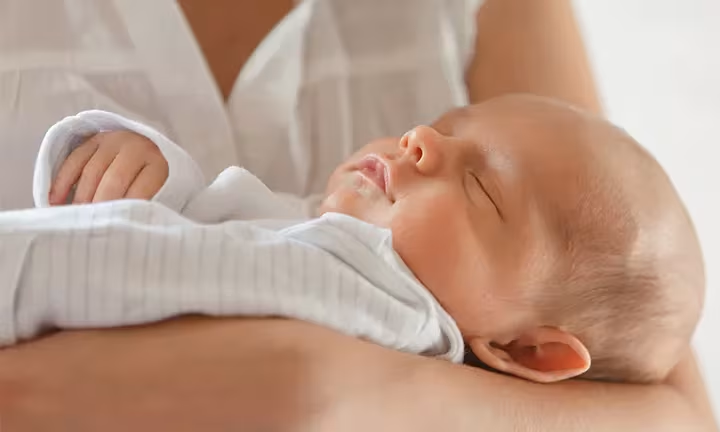
What to Do if Your Baby Only Sleeps When Held
Discover when it’s okay to hold your baby while they sleep and get expert tips on how to help your baby sleep peacefully in their crib for longer, independent rest
Read more
Tips for Getting Your Baby to Sleep in a Crib
Essential tips for your infant's crib sleep, from transitioning to crib to ensuring safety. Get expert advice on newborn crib use and optimizing your baby's sleep environment.
Read more
When Do Kids Stop Taking Naps?
Uncover when children typically outgrow naps and how to recognize signs indicating it's time to phase them out. Get practical tips for navigating the nap transition smoothly.
Read more
25 Lullaby Lyrics and Bedtime Songs to Help Your Baby Fall Asleep
Best Soothing lullabies for newborns! Ease your baby into sleep with timeless infant songs and nursery rhymes. Explore our collection for a peaceful bedtime routine.
Read more
Safe Sleep for Babies: A Practical Guide
how to ensure safe sleep for infants and create a secure sleeping environment to prevent SIDS and reduce accident risks. Learn essential tips on infant sleep, including how infants sleep best.
Read moreWhy Wake Windows Are More Important Than the Clock
Discover why wake windows are essential for your baby’s sleep. Learn how to use wake windows to optimise their sleep schedule and encourage longer, more restful nights.
Read more
When to Convert Crib to a Toddler Bed?
Learn the ideal time to transition your child from a crib to a toddler bed. Discover safety tips and strategies to make the move easy, comfortable, and stress-free.
Read more
Why Your Baby Shouldn't Sleep on Their Stomach
Learn when it's safe for infants to sleep on their stomachs. Learn the recommended age and essential safety measures for your baby's peaceful sleep.
Read more
When Do Babies Start Sleeping Through the Night?
Curious about when newborns start sleeping through the night? Explore insights on nighttime sleep patterns and strategies to support your baby's peaceful slumber
Read more
Early Rising Baby: What to Do When Your Child Wakes Up Too Early
Discover effective strategies to manage early rising in children. Learn how to help your child sleep longer and wake up at a more suitable time with expert tips from Pampers IN
Read moreWhat to Do if Your Baby Only Sleeps When Held
Discover when it’s okay to hold your baby while they sleep and get expert tips on how to help your baby sleep peacefully in their crib for longer, independent rest
Read moreTips for Getting Your Baby to Sleep in a Crib
Essential tips for your infant's crib sleep, from transitioning to crib to ensuring safety. Get expert advice on newborn crib use and optimizing your baby's sleep environment.
Read moreWhen Do Kids Stop Taking Naps?
Uncover when children typically outgrow naps and how to recognize signs indicating it's time to phase them out. Get practical tips for navigating the nap transition smoothly.
Read more25 Lullaby Lyrics and Bedtime Songs to Help Your Baby Fall Asleep
Best Soothing lullabies for newborns! Ease your baby into sleep with timeless infant songs and nursery rhymes. Explore our collection for a peaceful bedtime routine.
Read moreSafe Sleep for Babies: A Practical Guide
how to ensure safe sleep for infants and create a secure sleeping environment to prevent SIDS and reduce accident risks. Learn essential tips on infant sleep, including how infants sleep best.
Read moreWhy Wake Windows Are More Important Than the Clock
Discover why wake windows are essential for your baby’s sleep. Learn how to use wake windows to optimise their sleep schedule and encourage longer, more restful nights.
Read moreWhen to Convert Crib to a Toddler Bed?
Learn the ideal time to transition your child from a crib to a toddler bed. Discover safety tips and strategies to make the move easy, comfortable, and stress-free.
Read moreWhy Your Baby Shouldn't Sleep on Their Stomach
Learn when it's safe for infants to sleep on their stomachs. Learn the recommended age and essential safety measures for your baby's peaceful sleep.
Read more