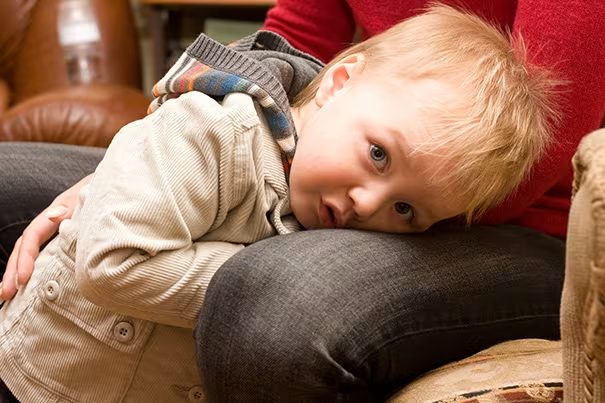
Shy children: overcoming shyness


What exactly causes shyness? How can we help a child to overcome these feelings?
Causes of shyness
Researchers have found two apparent pathways to shyness.
1. Biological
About one in five children seems to be born with a biological predisposition toward timidity. From the time they're toddlers – and sometimes even earlier – these children are uncomfortable with new people and new environments. Shy children tend to be finicky eaters who avoid trying new foods and who are reluctant to take on new challenges. Half the toddlers who show this pattern are still shy when they're six-years-old; a quarter are still shy as adolescents and are likely to remain somewhat shy their entire lives.
2. Situational
For these children, shyness is a temporary reaction to stress. A parent's illness, a move to a new home or a change in childcare can trigger shyness in a toddler or pre-schooler – even in an older child. Shyness usually disappears as soon as the underlying situation is resolved or the child becomes more comfortable.

Helping the shy child
Shy children can benefit from a variety of things that help improve their self-confidence and social skills. Here are some suggestions:
While shyness is usually nothing to worry about, encouraging this early on will help your child to build her social skills as she reaches school-going age.

Importance of play in childhood development
Here we write about the role of different types of play activities and how they affect the cognitive development of your 2-year old toddler.
Read more
Dealing with anxiety & fear in children
Check out these practical tips on how parents can help their toddler to overcome anxiety and deal with their emotions effectively.
Read more
Why Toddlers say ‘no’ to everything
Helping your toddler to speak confidently, while pronouncing words correctly is a top goal for all parents. See our tips for getting toddlers to speak.
Read more
Why does my toddler hit?
Teaching your toddler to express their emotions verbally, as opposed to physically will provide them with a solid emotional foundation to live with.
Read more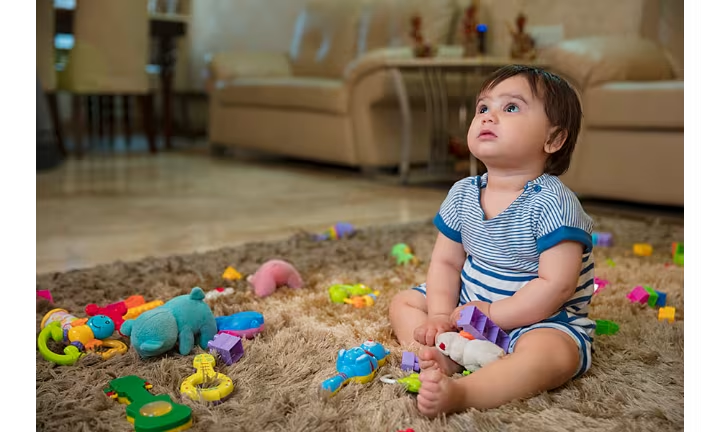
Thumb-Sucking Habit in Children: When to Stop It?
Thumb-sucking is a behaviour that soothes and comforts your baby. But a thumb-sucking habit can hinder a baby's dental development. Click here on Pampers India to know more!
Read more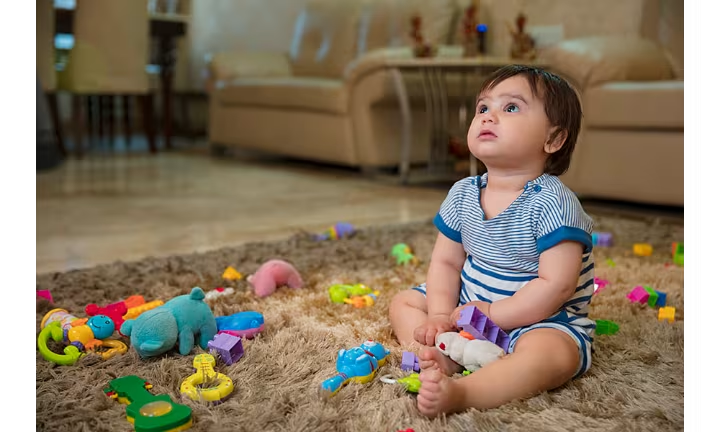
How to Handle Toddler Tantrums
Toddler tantrums are a part of your child's growing phase. To learn how to handle toddler tantrums, click here on Pampers India.
Read more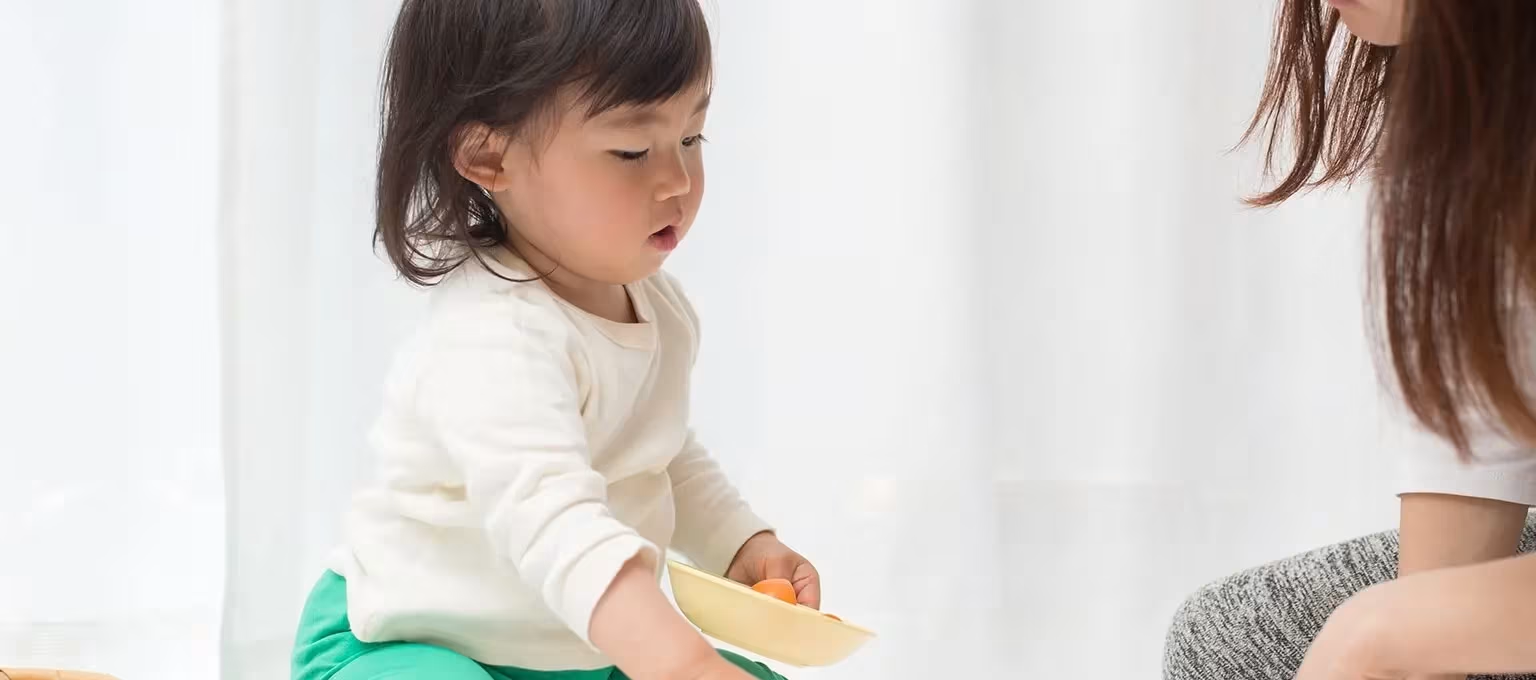
How Understanding ‘Power' Can Help With Toddler Behavior
the power of back-to-basics parenting tools to resolve 90% of behavior issues at home. Master the principle of 'power' for tantrum-free parenting. Learn more here!
Read more
The Benefits and Importance of Pretend Play in Child Development
Pretend play can spur child development while learning new dramatic play ideas, activities, and games. Learn all about the benefits and get ideas on how to encourage fun and creative play.
Read more
3-year-old Behaviour and Development
At 3-years-old your child will be nearing the end of the 'terrible twos' and developing a calmer personality. Learn about development in 3-year-olds.
Read more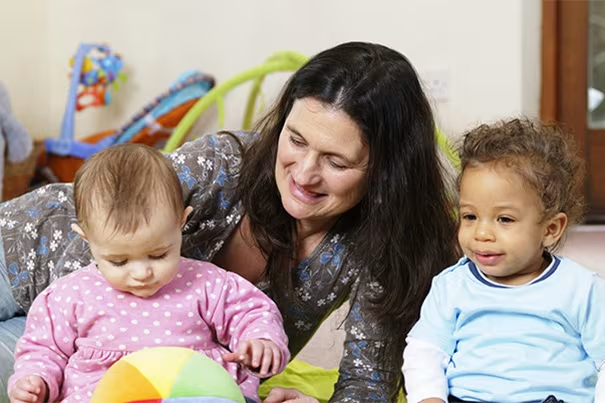
Toddler activities: playmates and interaction
Finding playmates for your toddler can help to increase their group interaction and sociability, which can be useful prior to joining nursery school.
Read moreImportance of play in childhood development
Here we write about the role of different types of play activities and how they affect the cognitive development of your 2-year old toddler.
Read moreDealing with anxiety & fear in children
Check out these practical tips on how parents can help their toddler to overcome anxiety and deal with their emotions effectively.
Read moreWhy Toddlers say ‘no’ to everything
Helping your toddler to speak confidently, while pronouncing words correctly is a top goal for all parents. See our tips for getting toddlers to speak.
Read moreWhy does my toddler hit?
Teaching your toddler to express their emotions verbally, as opposed to physically will provide them with a solid emotional foundation to live with.
Read moreThumb-Sucking Habit in Children: When to Stop It?
Thumb-sucking is a behaviour that soothes and comforts your baby. But a thumb-sucking habit can hinder a baby's dental development. Click here on Pampers India to know more!
Read moreHow to Handle Toddler Tantrums
Toddler tantrums are a part of your child's growing phase. To learn how to handle toddler tantrums, click here on Pampers India.
Read moreHow Understanding ‘Power' Can Help With Toddler Behavior
the power of back-to-basics parenting tools to resolve 90% of behavior issues at home. Master the principle of 'power' for tantrum-free parenting. Learn more here!
Read moreThe Benefits and Importance of Pretend Play in Child Development
Pretend play can spur child development while learning new dramatic play ideas, activities, and games. Learn all about the benefits and get ideas on how to encourage fun and creative play.
Read more