
Health review: 18-month-old baby check-up


This is a big and important visit. Your child is due for a lot of immunisations, his growth should be evaluated, and sleep and discipline issues are usually on parents' minds. From the provider's perspective, this visit is expected to be the most challenging. Don't be surprised if your toddler isn't the least bit cooperative. Wiggles and cries are expected.

Here's how to prepare for this visit
At this visit, your provider will probably:

Your provider will want to know:
Talk it over
Most parents are concerned about three things at this age: diet, discipline and getting their child to bed. These confusing and troublesome issues are all related to your baby's growing sense of independence. Other concerns may include how to manage 'no!', temper tantrums and how to get your child to eat.
Speak up!
Let your healthcare provider know:
Although every baby is different and reaches developmental milestones at unique times, it's still good to let your provider know about any issues or concerns about your baby's development
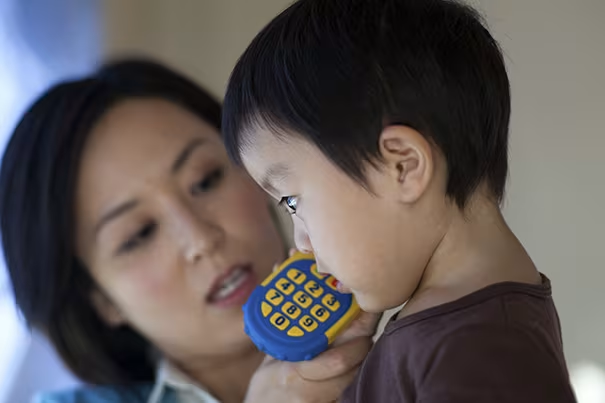
Discipline: How to talk to toddlers
View our step-by-step guide to learn how to effectively talk and listen to toddlers during discipline, so that they learn to express themselves correctly.
Read more
Health review: 2-year-old check-up
See what you should prepare for your 2-year-old's check-up at their local general practitioner or paediatrician, to evaluate their development and health.
Read more
Health review: 3-year-old check-up
Find out what to expect during your 3-year-old child's scheduled baby check-up at your family doctor or paediatrician.
Read more
Stomach pain in children: Toddler tummy aches
Check out these quick tips to understand what commonly causes tummy aches for toddlers, and some simple remedies and activities to help stop them.
Read more
Staying Safe While Enjoying the Great Outdoors
Essential outdoor safety tips for toddlers to keep them safe whether you're camping far away or walking in a local park. Know what to do if anyone gets lost or separated and ensure a safe and fun experience outdoors.
Read more
Toddler Bath Time: How to Help Your Child Love Baths
Ringworm is a highly contagious fungal infection sometimes seen in babies. Learn our guide on how babies get ringworm, diagnosis and how to treat it.
Read more
Temper tantrums: Dealing with baby tantrums
Find out some of the best ways to deal with and mitigate temper tantrums with toddlers, to help prevent emotional development issues in early life.
Read more
Toddler Discipline: Beyond Time-out
Disciplining a child from a young age will help to encourage positive reinforcement within their emotional development.
Read more
Diabetes in Children: Causes, Signs, and Treatment
Diabetes in children is a chronic condition that appears at any age. Click here on Pampers India to read more on signs of diabetes in children, its causes, diagnosis, and treatment.
Read more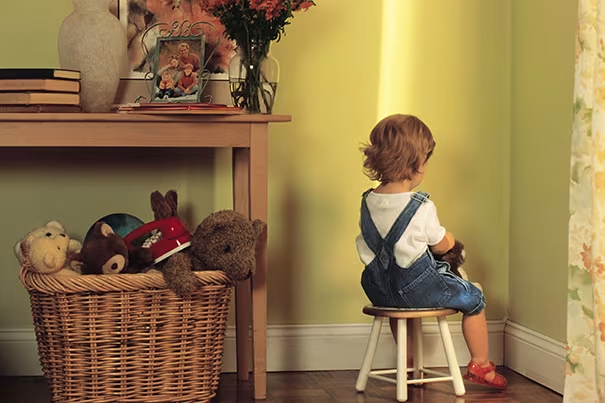
How to discipline your child: time-outs
Time-outs are used as a part of most toddlers' discipline plans, due to the fact that they calm down, while being made to think about their actions.
Read moreDiscipline: How to talk to toddlers
View our step-by-step guide to learn how to effectively talk and listen to toddlers during discipline, so that they learn to express themselves correctly.
Read moreHealth review: 2-year-old check-up
See what you should prepare for your 2-year-old's check-up at their local general practitioner or paediatrician, to evaluate their development and health.
Read moreHealth review: 3-year-old check-up
Find out what to expect during your 3-year-old child's scheduled baby check-up at your family doctor or paediatrician.
Read moreStomach pain in children: Toddler tummy aches
Check out these quick tips to understand what commonly causes tummy aches for toddlers, and some simple remedies and activities to help stop them.
Read moreStaying Safe While Enjoying the Great Outdoors
Essential outdoor safety tips for toddlers to keep them safe whether you're camping far away or walking in a local park. Know what to do if anyone gets lost or separated and ensure a safe and fun experience outdoors.
Read moreToddler Bath Time: How to Help Your Child Love Baths
Ringworm is a highly contagious fungal infection sometimes seen in babies. Learn our guide on how babies get ringworm, diagnosis and how to treat it.
Read moreTemper tantrums: Dealing with baby tantrums
Find out some of the best ways to deal with and mitigate temper tantrums with toddlers, to help prevent emotional development issues in early life.
Read moreToddler Discipline: Beyond Time-out
Disciplining a child from a young age will help to encourage positive reinforcement within their emotional development.
Read more