
Choosing the right diaper size for your baby


Almost every new parent faces the challenge of selecting the right diaper size at some point—and that’s completely normal! Babies grow rapidly, and their diaper needs change just as fast. Choosing a diaper that’s too small can cause leakage, discomfort, red marks, and even diaper rashes, while a diaper that’s too big may lead to gaps, poor absorbency, frequent blowouts, and an overall poor fit.
Since every baby’s growth pattern is unique, relying solely on age-based recommendations may not always work. Instead, understanding diaper size guide by weight, fit indicators, and signs that your baby needs a size upgrade is crucial. A well-fitted diaper ensures better absorbency, freedom of movement, and ultimate comfort, reducing the chances of irritation or skin issues.
With our detailed guide on which diaper size to buy, you’ll learn how to identify the perfect fit for your baby’s current stage, when to switch to a larger size, and how to avoid common diapering mistakes. A properly fitted diaper keeps your baby dry, happy, and comfortable—ensuring longer sleep, no rashes, and less mess for you to clean up!
How to Choose the Right Diaper Size for Your Baby?
Choosing the correct diaper size ensures your baby’s comfort, proper absorption, and leak protection. Diaper sizes are generally based on weight, but every baby has a unique body shape, so checking the fit is just as important as following diaper size guide. A well-fitting diaper helps prevent leaks, blowouts, and skin irritation, keeping your baby dry and happy throughout the day.
How Should a Diaper Fit?
A properly fitting diaper should offer a snug, comfortable fit without being too tight or too loose. Here’s what to look for when checking your baby’s diaper fit:
Pro Tip: If your baby is experiencing frequent leaks, discomfort, or blowouts, it may be time to switch to a better-fitting size. Always check your baby's weight against the diaper brand’s size chart to find the best match.
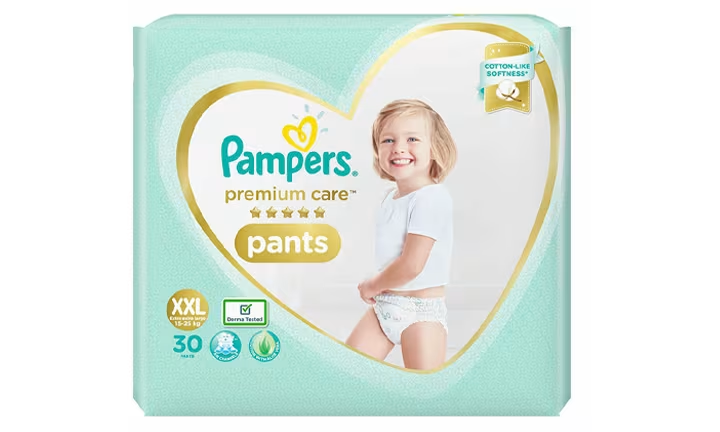
Pampers Baby Diaper Size Chart by Weight
Diapers are generally sized by weight, not age, since babies grow at different rates. Below is a general Pampers diaper size chart to help you choose the right fit for your little one:
Pampers Diaper Size | Baby Weight (Kg) |
Size Newborn (NB) | Upto 5kg |
Size Small (S) | 4 - 8kg |
Size Medium (M) | 7 – 12kg |
Size Large (L) | 9 - 14kg |
Size X Large (XL) | 12 - 17kg |
Size XX Large (XXL) | 15 – 25kg |
Newborn Diaper Guide
Choosing the right diaper size for baby is crucial, as their skin is delicate and sensitive. Here are some important factors to consider when selecting Pampers newborn-size diapers:
1. Soft and Gentle Material
Newborn skin is extra delicate, so opt for hypoallergenic, soft, and fragrance-free diapers to avoid irritation.
2. Umbilical Cord Cutout
Many newborn diapers come with a special cutout to keep the umbilical stump dry and irritation-free until it falls off naturally.
3. High Absorbency
Newborns urinate frequently, so look for Pampers small size diapers with high absorbency and wetness indicators that helps parents know when it's time for a change.
4. Breathable Design
Diapers with breathable layers help keep newborn skin dry and prevent diaper rash.
5. Choosing Between Tape vs. Pant Diapers
For newborns, tape-style diapers are more practical since they allow for easy adjustments and gentle fastening. As babies grow more active, pant-style diapers become more convenient.
Why the Right Diaper Size Matters
Choosing the wrong diaper size can lead to discomfort, leaks, and skin irritation. Here’s why selecting the perfect fit is important:
1. Prevents Leaks and Messes
One of the biggest issues with an ill-fitting diaper is frequent leaks and messy blowouts. A diaper that’s too small may not have enough absorbent material to hold your baby’s urine, leading to leaks from the sides or back. Similarly, a diaper that’s too big may have gaps around the legs and waist, allowing waste to escape.
How a Well-Fitted Diaper Prevents Leaks:
Tip: If your baby’s diaper frequently leaks, even when changed regularly, it might be time to size up for better protection.
2. Ensures Maximum Comfort for Your Baby
Babies are constantly moving, whether they’re wiggling, kicking, crawling, or learning to walk. An improperly sized diaper can restrict movement and cause discomfort, making your baby irritable.
Signs of Discomfort Due to the Wrong Diaper Size:
Too Small:
Too Big:
A snug but breathable diaper fit allows free movement, making it easier for your baby to crawl, roll, and explore without discomfort. Tip: Always check for fit indicators, such as the waistband position (should sit just below the belly button) and the ability to slide two fingers under the waistband comfortably.
3. Reduces the Risk of Diaper Rash and Skin Irritation
A poor diaper fit can lead to diaper rash, a common concern among parents. Tight diapers create friction and excessive moisture buildup, while loose diapers can cause urine and stool to stay in contact with the skin longer, leading to irritation.
How the Right Diaper Size Helps Prevent Diaper Rash:
Tip: If your baby is frequently experiencing diaper rashes, check if the diaper size is too tight or if it's not absorbing properly due to being too small.
4. Saves Money in the Long Run
Parents often believe that using smaller diapers for longer or buying bigger sizes for extended use will save money, but the opposite is true. A poorly fitted diaper can lead to more frequent changes, wasted diapers, and additional expenses on rash creams and laundry.
How the Right Size Helps You Save Money:
Tip: Instead of buying a bulk supply of one size, purchase smaller packs first to test the best fit for your baby’s current stage.
How to find out when your baby will outgrow their diaper size?
Based on the number of diapers your baby requires every day, coupled with their weight, you can easily understand the number of months it will take for your baby to outgrow a certain diaper size. The Pampers Diaper Size Chart helps all parents simplify their task and can help avoid wastage by preventing you from stocking up on the wrong diaper size.
To understand which size your baby needs to wear, the Pampers Diaper Size Chart outlines all the necessary information that parents may require, corresponding with the relevant topics.
For example, a baby currently wearing a ‘Newborn’ size diaper might need nearly 6 to 9 diapers per day, and they will continue to wear this size of diapers for at least a month before they will need to be moved up by a size.
This helpful Diaper Size Chart by age is an immensely helpful tool for baby parents all over and makes their job a lot easier, leaving your precious baby to stay dry, comfortable and cheerful.
When to Size Up Diapers
It’s important to move up a diaper size at the right time to ensure your baby stays comfortable and dry. Here’s when you should consider sizing up from Pampers newborn size diapers:
Key Takeaway
Selecting the correct diaper size is crucial for maintaining your baby’s comfort, hygiene, and overall well-being. Whether you are choosing pampers small size diapers or transitioning to a larger size, relying on a weight-based size guide and paying attention to fit indicators will help ensure the best choice for your little one. A well-fitted diaper not only provides maximum protection against leaks but also helps prevent rashes and discomfort, allowing your baby to stay dry, happy, and active. If you notice signs that your baby is outgrowing their current diaper—such as frequent leaks, tightness, or red marks—it is advisable to move up a size to maintain their comfort and mobility. By choosing the right fit, you can ensure that every diaper change keeps your baby feeling fresh, secure, and at ease throughout the day.
FAQs
If the diaper leaves red marks, feels tight around the waist or thighs, or causes frequent leaks, it’s time to switch to a larger size.
Related Articles:
Useful Tools:
- https://www.pampers.com/en-us/baby/diapering/article/diaper-size-and-weight-chart
- https://1ststep.com/blogs/news/diaper-size-chart-by-weight?srsltid=AfmBOoqvM0d5bId-8t6K-vkzPYXVHoVlCfT57IBAB64J7j7cHXa9kXCr
- https://rforrabbit.com/blogs/articles/guide-on-choosing-the-right-diaper-size-for-your-baby?srsltid=AfmBOopsVqUlEL3mxbtQMb3HZj0oIUpPX34RnaZW-3XuN2_M4yvQlgwL
- https://www.parents.com/baby/diapers/diaper-sizes-how-to-find-the-right-fit-for-newborns-babies-and-toddlers/
Read more about About Pampers

Is it safe to use diapers overnight?
Overnight diapers? Sounds like a boon right? Well, these overnight diapers can save you a handful of sleepless nights caused from recurrent diaper changes. Click here on Pampers India to know more about using Diapers overnight.
Read more
Perfecting the art of using Baby Wipes
Click here on Pampers India for the perfect guide on using Baby Wipes and how can it help them maintain a rash-free and healthy-looking skin. Let us take a look at how baby wipes work.
Read more
Preventing Diaper Leakage: Causes and Solutions for Better Protection
Learn how we have specifically designed Pampers nappies to reduce the chances of leaks and catastrophes for babies of all ages. See why mums trust Pampers.
Read more
Choosing the best Diapers for your baby
Choosing the best diapers for your newborns, babies and toddlers can be a difficult job. Find out what qualities makes the best diaper which can be perfect for your newborn and baby.
Read moreIs it safe to use diapers overnight?
Overnight diapers? Sounds like a boon right? Well, these overnight diapers can save you a handful of sleepless nights caused from recurrent diaper changes. Click here on Pampers India to know more about using Diapers overnight.
Read morePerfecting the art of using Baby Wipes
Click here on Pampers India for the perfect guide on using Baby Wipes and how can it help them maintain a rash-free and healthy-looking skin. Let us take a look at how baby wipes work.
Read morePreventing Diaper Leakage: Causes and Solutions for Better Protection
Learn how we have specifically designed Pampers nappies to reduce the chances of leaks and catastrophes for babies of all ages. See why mums trust Pampers.
Read moreChoosing the best Diapers for your baby
Choosing the best diapers for your newborns, babies and toddlers can be a difficult job. Find out what qualities makes the best diaper which can be perfect for your newborn and baby.
Read moreIs it safe to use diapers overnight?
Overnight diapers? Sounds like a boon right? Well, these overnight diapers can save you a handful of sleepless nights caused from recurrent diaper changes. Click here on Pampers India to know more about using Diapers overnight.
Read morePerfecting the art of using Baby Wipes
Click here on Pampers India for the perfect guide on using Baby Wipes and how can it help them maintain a rash-free and healthy-looking skin. Let us take a look at how baby wipes work.
Read morePreventing Diaper Leakage: Causes and Solutions for Better Protection
Learn how we have specifically designed Pampers nappies to reduce the chances of leaks and catastrophes for babies of all ages. See why mums trust Pampers.
Read moreChoosing the best Diapers for your baby
Choosing the best diapers for your newborns, babies and toddlers can be a difficult job. Find out what qualities makes the best diaper which can be perfect for your newborn and baby.
Read more