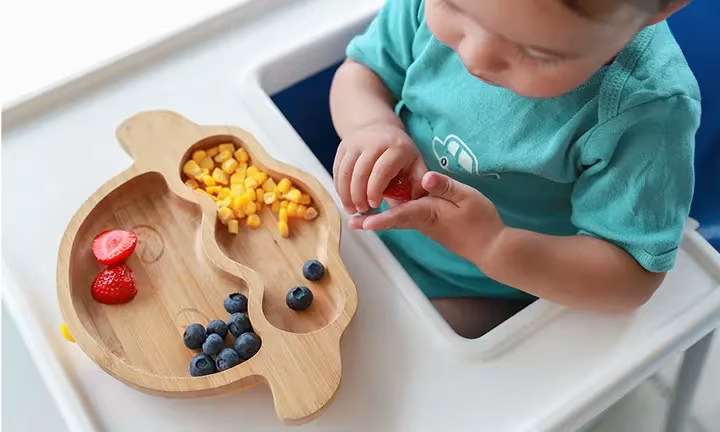
The Best Finger Foods for Baby


How exciting that your baby is about to graduate from mushy foods to finger foods! This is a big step in your little one’s development. However, you may be wondering when’s the right time to start finger foods, and how to tell that your baby is ready. We’ll answer all these questions and more, plus give you a list of the best finger foods to introduce to your baby first.

Introducing Finger Foods to Your Baby
So, when can babies eat finger foods? You can start to give your baby finger foods around the time they’re able to sit up independently and can bring their hands to their mouth. This may happen between the ages of 8 months old and 9 months old, but your baby may be ready a little sooner or later than this time. Around this time, you may also notice that your baby is developing their pincer grasp and may be making chewing motions. These are both great indications that your baby’s ready for finger foods. Moreover, using their fingers to pick up foods will further develop your baby’s fine motor skills. Some parents who adopt the baby-led weaning approach may start offering finger foods to their infants as early as 6 months old. This method skips spoon-feeding with solid foods and instead lets your baby take the lead in self-feeding with finger foods. Some believe this approach can decrease fussiness when it comes to introducing new foods, including finger foods, to your baby. Speak to your child’s healthcare provider if this method is something you’d like to try. Giving your baby finger foods can help your little one learn to feed themself, just one step toward gaining independence. Self-feeding can be great fun for your baby. Even if much of the food doesn’t end up in your baby’s mouth, the fact that they’re exploring this new frontier is an accomplishment to be proud of.
In Summary You can start to introduce finger foods to your baby when they can sit up independently, which may happen around 8 or 9 months of age. Picking up finger foods will be a great way for your little one to perfect the pincer grasp and develop fine motor skills. |

First Finger Foods for Your Baby
As you begin choosing finger foods for your baby, check out the following ideas:
Be sure that any of the above finger foods are cut into small pieces. You don’t want your baby eating a piece that’s too big to swallow. And, make sure to watch them while eating.
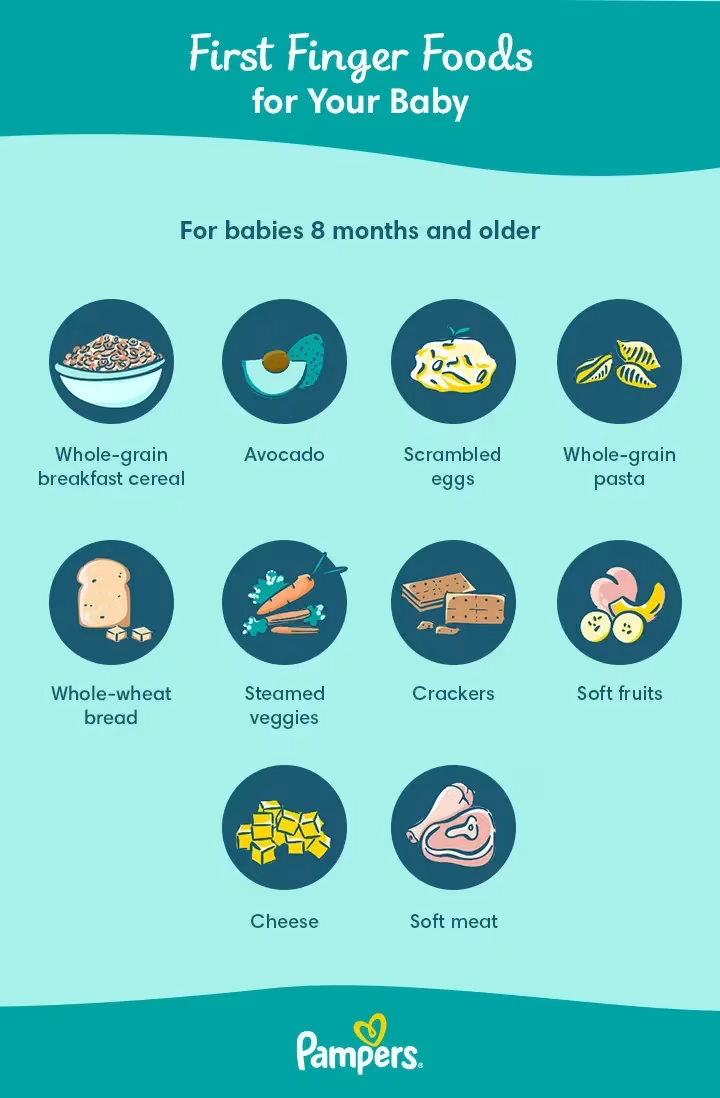
In Summary Foods cut into small pieces in a variety of flavors, colors, and textures are all great finger foods to try first with your baby. These can include steamed veggies; soft fruits; whole-grain pasta, bread, or crackers; chicken; cheese; and scrambled eggs. |
RELATED ARTICLE
In Summary Whether your baby has teeth or not, they’ll be more likely to swallow finger foods without first chewing them, which is why it’s important not to offer foods that can cause choking. Choking hazards include chunks of food like peanut butter, meat, or cheese; raw veggies and fruit; whole nuts and seeds; popcorn; gum; candies; and hot dogs. |
Note on Food Allergies
Medical experts once recommended that parents avoid feeding their babies eggs, fish, and peanut butter since babies may be allergic to these foods. However, it’s now recommended that you introduce these foods early—while keeping a close watch for any reactions—since this approach can help reduce your child’s chances of developing food allergies. Before introducing peanut butter or peanut products, consult with your baby’s healthcare provider. Your baby is more likely to be allergic to these foods if
Tip It may be a good idea to introduce foods with known allergens early on. However, if food allergies run in your family, if your baby has already been diagnosed with an egg allergy, or they have eczema, your little one is more likely to be allergic to peanut butter and other peanut products. So, be sure to check with your child’s healthcare provider first before introducing foods that could prompt an allergic reaction. |
FAQS AT A GLANCE
Good finger foods for babies include soft, easy-to-swallow foods like steamed veggies; soft fruits; whole-grain bread, pasta, or cereal; crackers; chicken; cheese; and scrambled eggs. It’s important to make sure that whatever you’re serving is cut into small pieces so that your baby doesn’t choke on a piece that’s too big.
The Bottom Line
It’s time to introduce finger foods to your baby when you see that they’re able to sit up on their own, start bringing their hands to their mouth, and can use a pincer grasp to hold onto small items, like finger foods. This development happens around the age of 8 or 9 months old, but you may see it sooner or later in your baby. In the beginning, you’ll want to introduce finger foods that are soft and easy to swallow, since babies at this age tend to swallow instead of chew even if they have a few baby teeth. Think steamed veggies and soft fresh fruits. You can also introduce whole-grain bread, crackers, cereal, or pasta if they’re cut into small pieces. Chicken, mild cheese, and scrambled eggs are also great options when served in small pieces. Avoid hard foods like raw veggies and fruits, as well as chunks of nut butter, cheese, and meat. Whole nuts and seeds are not recommended, nor are chewing gum, candies, hot dogs, or meat sticks. All these items can pose a choking hazard.
Transitioning to finger foods is a big step in your baby’s development and independence. Letting your baby self-feed with finger foods may be a bit messy at first, but you’ll both get the hang of it. Learn more about developmental milestones for your 9-month-old baby.
How We Wrote This Article The information in this article is based on the expert advice found in trusted medical and government sources, such as the American Academy of Pediatrics and the American College of Obstetricians and Gynecologists. You can find a full list of sources used for this article below. The content on this page should not replace professional medical advice. Always consult medical professionals for full diagnosis and treatment.
- AAP
- Mayo baby book
https://www.cdc.gov/nutrition/infantandtoddlernutrition/mealtime/fingers-spoons-forks-cups.html
https://www.healthychildren.org/English/ages-stages/baby/feeding-nutrition/Pages/Starting-Solid-Foods.aspx

When Can Babies Eat Eggs?
Wondering when it's safe to give eggs to your baby? Explore tips on introducing eggs safely into your baby's diet and how to prepare them. Plus, find Pampers IN for more parenting advice.
Read more
Newborn to 12 Month Old Baby: Feeding Schedule & Charts
Develop a perfect feeding schedule for your baby with our detailed guide. Ensure your baby receives the right nutrition at every stage of their growth.
Read more
Baby-Led Weaning- (BLW): How to start solids, best foods & safety tips
Baby-led weaning involves introducing solid foods to babies while skipping the pureed food phase. Get expert tips on when to start BLW and the safest foods for BLW.
Read more
How a Lactation Consultant Can Help You
Tips on how lactation consultants can support breastfeeding, addressing issues like sore nipples and low milk supply. Get expert advice to enhance your breastfeeding experience with help from Pampers.
Read more
What is nipple confusion and how to prevent it?
Understand what nipple confusion is, its causes, signs, and practical tips to prevent confusion between breast and bottle feeding for newborns.
Read more
5 Tips for Breastfeeding in Public
Make public breastfeeding easier with these tips. Learn how to breastfeed comfortably and what essentials to have on hand for a smooth experience.
Read more
Sore, Cracked, or Bleeding Nipples While Breastfeeding
Effective relief for cracked nipples during breastfeeding. Explore causes, treatments, and prevention methods for soothing comfort. Find solutions for cracked nipples.
Read more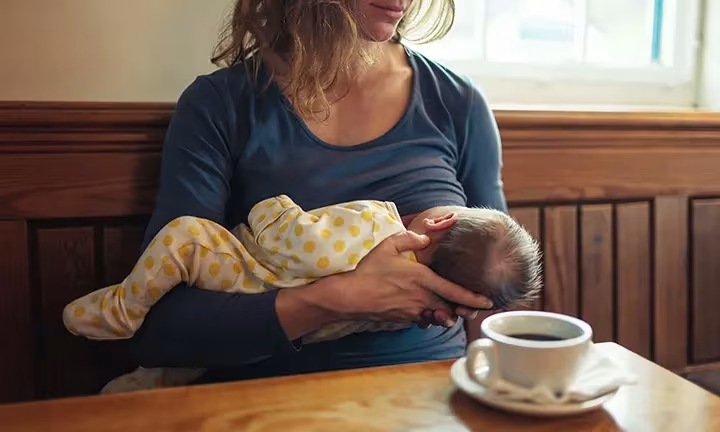
Find Out Whether You Can Consume Caffeine While Breastfeeding
" Can you consume caffeine while breastfeeding? Find out how much caffeine it’s safe to consume while breastfeeding and what effect too much caffeine can have on your breastfeeding baby’s health and well-being."
Read more
The 19 Most Useful Breastfeeding Tips and Tricks
Struggling with breastfeeding? Discover helpful tips to ease the process for you and your newborn. Get started with confidence and ensure a successful breastfeeding journey
Read more
When Can You Introduce Honey to Your Baby
Explore the risks of giving honey to infants and learn when it's safe to introduce this sweet treat to your little one. Get expert guidance here, brought to you by Pampers IN
Read moreWhen Can Babies Eat Eggs?
Wondering when it's safe to give eggs to your baby? Explore tips on introducing eggs safely into your baby's diet and how to prepare them. Plus, find Pampers IN for more parenting advice.
Read moreNewborn to 12 Month Old Baby: Feeding Schedule & Charts
Develop a perfect feeding schedule for your baby with our detailed guide. Ensure your baby receives the right nutrition at every stage of their growth.
Read moreBaby-Led Weaning- (BLW): How to start solids, best foods & safety tips
Baby-led weaning involves introducing solid foods to babies while skipping the pureed food phase. Get expert tips on when to start BLW and the safest foods for BLW.
Read moreHow a Lactation Consultant Can Help You
Tips on how lactation consultants can support breastfeeding, addressing issues like sore nipples and low milk supply. Get expert advice to enhance your breastfeeding experience with help from Pampers.
Read moreWhat is nipple confusion and how to prevent it?
Understand what nipple confusion is, its causes, signs, and practical tips to prevent confusion between breast and bottle feeding for newborns.
Read more5 Tips for Breastfeeding in Public
Make public breastfeeding easier with these tips. Learn how to breastfeed comfortably and what essentials to have on hand for a smooth experience.
Read moreSore, Cracked, or Bleeding Nipples While Breastfeeding
Effective relief for cracked nipples during breastfeeding. Explore causes, treatments, and prevention methods for soothing comfort. Find solutions for cracked nipples.
Read moreFind Out Whether You Can Consume Caffeine While Breastfeeding
" Can you consume caffeine while breastfeeding? Find out how much caffeine it’s safe to consume while breastfeeding and what effect too much caffeine can have on your breastfeeding baby’s health and well-being."
Read more