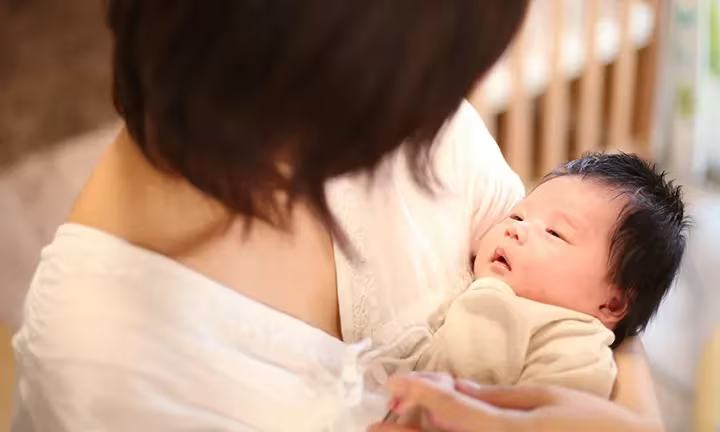
Understand Postpartum Period (Puerperium)


)
&image=https%3A%2F%2Fimages.ctfassets.net%2F2ql69mthp94m%2F2GO7NJqAkmNMxLxc3oD1b0%2F906d9992fb8442ab09f3024a13ea722a%2FPostpartum_period.jpg)
What’s known as the postpartum period starts the moment your baby is born and lasts for up to 12 weeks. Sometimes referred to as the puerperium or the “fourth trimester,” this is an important time for both you and your baby. During this period it’s normal to experience a range of physical and emotional symptoms as your body adapts after having a baby and you adapt to certain lifestyle changes. Read on to discover all about the postpartum period, how to adapt after pregnancy and birth, and the important postpartum care you’ll receive.

What Is the Postpartum Period?
First of all, what is the definition of “postpartum”? Postpartum means after birth—referring to the period after childbirth. Therefore, the postpartum period—sometimes referred to as the puerperium—starts with the birth of your baby and extends until about twelve weeks after childbirth. Keep in mind that some of the effects of your pregnancy and the delivery of your baby may last longer. The postpartum period is a time of adjustment. It’s a time to adjust to your new life as a parent and how your days are filled. It’s also a time to adjust as a couple while parenting a newborn, physically as your body recovers from pregnancy and childbirth, and emotionally as you get used to all these changes.
Postpartum Vs. Postnatal
The terms postpartum and postnatal are often used interchangeably for the period following childbirth. However, occasionally postpartum is used when referring to the mother after birth and postnatal when referring to the baby after birth.
How Long Is the Postpartum Period?
The duration of the postpartum period was typically considered to last 6 to 8 weeks after childbirth; however, The American College of Obstetricians and Gynecologists now considers it to last up to 12 weeks. They also recommend individualized care and more frequent checkups based on your health needs in the postpartum period.
When Can You Start Doing Household Work After Delivery?
When it comes to physical activity (including exercise) after having a normal vaginal delivery, it’s best to wait a few days before starting, and start slowly and gradually build up. If you had a cesarean birth or any complications, you should ask your healthcare provider when it’s safe to perform certain tasks again. It’s important to take it easy after delivery and avoid strenuous activities or heavy lifting for a few weeks, or until your healthcare provider says it’s ok for you. It’s also important to listen to your body as postpartum is a period of rest and healing after pregnancy and childbirth. Ask for help whenever possible, and share the load with your partner or family members—especially when it comes to more strenuous housework. You might also have friends or family who are happy to bring you home-cooked meals, and you could share night-time bottle feeds with your partner to have some extra sleep.

Postpartum Symptoms: Physical Changes
During the weeks and months after you give birth, your body will go through many changes as it adjusts post-pregnancy. Here are some physical symptoms you might experience during the postpartum period.
The First Few Days After Giving Birth
Your little one has finally arrived! In addition to feeding your newborn and giving them lots of skin-to-skin contact, you’ll start to recover from labor and childbirth. Here are some of the physical changes you may experience in the first few days as you heal after giving birth:
The First Few Months After Giving Birth
Your postpartum body has been through a lot during pregnancy, labor, and delivery, and it takes time to recover and return to “normal” after having a baby. You may discover that there is a “new normal,” as some things may not return to exactly how they were before. This is only natural—you’ve just had a baby, so some things are bound to change. Here is what you may notice or feel in the months after giving birth:
For some recovery tips after labor and childbirth, read our informative article dedicated to postpartum healing.
How to Cope With Emotional Changes
Although this is generally a happy time, it’s also natural to feel a sense of sadness during the postpartum period. As many as 80 percent of women report feeling the “baby blues” during this time—changes in hormones cause this. Feeling a little down doesn’t mean you’re a bad parent or are ungrateful for what you have; it just means your body is adjusting after the big and wonderful task of childbirth. Try to remind yourself of this when you’re feeling down. Confiding in your partner or loved ones, getting as much rest as you can, and taking a little time out for some “me time” are all ways to help lift your mood. These emotions typically go away after 1 to 2 weeks, but if they don’t—or if these feelings of sadness become more intense—consult with your healthcare provider, as it may be something like postpartum depression. If you have postpartum depression, your healthcare provider will work with you to find the best treatment to help relieve your symptoms. Being a new parent can also be a stressful and tiring time, so taking care of yourself, body and soul, is important. Share how you’re feeling with friends and family and ask for help when needed. If you ever feel so stressed that you think you might take it out on your little one, leave your baby in their crib and leave the room. Give yourself a moment to take a breather. Never shake your baby out of frustration. Find out from your healthcare provider what community services may be available in your local area to give you more of a support network.
Postpartum Checkups
Postpartum care is very important for every parent after giving birth. You’ve just been through pregnancy and childbirth, and now there’s a new tiny person in your life—so these checkups are vital for your physical and mental well-being. Your postpartum checkups are a chance for you to ask any questions, share any concerns, and for your healthcare provider to ensure there are no health problems or complications. Your postpartum checkup schedule may go as follows:
If you had a cesarean delivery, you may need to have a checkup about two weeks after giving birth so that your healthcare provider can take a look at how the incision is healing. If you had gestational diabetes during pregnancy, you may need a checkup 3 to 10 days after birth and an additional blood glucose test may be recommended. At your first postpartum checkup, your provider will likely check your weight, blood pressure, breasts, and abdomen, and do a pelvic exam. They are also there to answer any questions you may have. It might help to write down any questions or concerns you have so you can get all the answers you need without missing something important. You might also need to get vaccinations such as the Tdap vaccine or the flu shot if you haven’t already. Your provider will be able to tell you which immunizations you are due to have.
Medical Conditions to Be Aware of in the Postpartum Period
It’s worth knowing about potential medical conditions that can affect some people in the postpartum period and beyond. These are some of the more common ones; however, you should always contact your healthcare provider if you’re concerned about a symptom you’re experiencing:
When to Call Your Healthcare Provider
During the postpartum period, contact your healthcare provider right away if you notice any of the following:
FAQS AT A GLANCE
Puerperium (the postpartum period) was previously defined as lasting 6 to 8 weeks; however, it’s now considered to last up to 12 weeks.
The Bottom Line
The postpartum period is full of new experiences and challenges for you and your family. Try to take things slow and give yourself lots of time and patience to make this adjustment period as stress-free as possible. Make sure you attend all your checkups to receive the best possible postpartum care for you and your baby and seek help and support when needed.
If you have some spare time, you might find the parenting life section of our website very informative. We’ll answer all your questions, such as when you might get your first period after having a baby, and information on postpartum weight loss, as well as some great postpartum workout ideas to help you get back in shape over time.
And to make your postpartum period a little easier, download the Pampers Club App for rewards on all your diaper purchases.
How We Wrote This Article The information in this article is based on expert advice found in trusted medical and government sources, such as the American Academy of Pediatrics and the American College of Obstetricians and Gynecologists. You can find a full list of sources used for this article below. The content on this page should not replace professional medical advice. Always consult medical professionals for full diagnosis and treatment.
- American College of Obstetricians and Gynecologists. Your Pregnancy and Childbirth: Month to Month, 7th ed. (Washington, DC: American College of Obstetricians and Gynecologists, 2021).
- Cleveland Clinic. “Postpartum.”
- March of Dimes. “Your Postpartum Checkups.”
- Mayo Clinic. “Pregnancy Weight Gain: What’s Healthy?”
- Merriam Webster. “Postnatal.”
- OWH. “Recovering from birth.”
- PMC. “Alterations in Hair Follicle Dynamics in Women.”
- WHO. “Postnatal Care for Mothers and Newborns.”
How to Save on Diapers Without Compromising Quality
Want to save on diapers without compromising quality and comfort? We’ll provide some tips on how to make diapering more affordable.
Read more
Care Your Toddler or Baby Needs While You’re Working from Home
Struggling to juggle between working from home and parenthood? Here’s a list of tips from responsibility sharing to management of work and baby care chores. Visit Now!
Read more
Newborn Baby Photoshoot Ideas & Tips For A Memorable Album!
Planning a photoshoot for your newborn baby? Here are some tried and tested newborn baby photoshoot ideas and tips to get the best memories with your litlle one!
Read more
Effective Parenting Tips To Help Build A Positive Relationship With Your Child
Discover essential parenting tips to help you navigate the challenges and joys of raising a child, offering guidance and support for new parents. Positive parenting with Pampers.
Read more
Is kajal/surma safe for newborn skin?
Planning a photoshoot for your newborn baby? Here are some tried and tested newborn baby photoshoot ideas and tips to get the best memories with your litlle one!
Read more
Newborn Astrology: Exploring the Timeless Tradition of Naming
Discover newborn astrology, kundali, and horoscope predictions to understand your baby's future personality, traits, and life path.
Read more
My Baby's Chinese Zodiac Sign Based On Year Of Birth: What Does It Mean?
Learn about 5th-month pregnancy symptoms, belly size, and fetal development. Know what to expect during this stage of pregnancy.
Read more
Baby Personalities Based on Birth Months
Learn about baby personalities based on birth months. Discover traits of January, April, July, and other birth month babies.
Read more
Why Is Your Baby Crying? Top Reasons Why Your Baby Might Be Crying
Learn why babies cry at night, during sleep, and after feeding. Find expert tips to soothe a crying baby effectively.
Read more
How the Postpartum Belly Looks and Feels After Giving Birth
Learn about the changes to your postpartum belly, how it feels and looks after childbirth, and discover effective recovery tips and exercises for a healthier you.
Read moreHow to Save on Diapers Without Compromising Quality
Want to save on diapers without compromising quality and comfort? We’ll provide some tips on how to make diapering more affordable.
Read moreCare Your Toddler or Baby Needs While You’re Working from Home
Struggling to juggle between working from home and parenthood? Here’s a list of tips from responsibility sharing to management of work and baby care chores. Visit Now!
Read moreNewborn Baby Photoshoot Ideas & Tips For A Memorable Album!
Planning a photoshoot for your newborn baby? Here are some tried and tested newborn baby photoshoot ideas and tips to get the best memories with your litlle one!
Read moreEffective Parenting Tips To Help Build A Positive Relationship With Your Child
Discover essential parenting tips to help you navigate the challenges and joys of raising a child, offering guidance and support for new parents. Positive parenting with Pampers.
Read moreIs kajal/surma safe for newborn skin?
Planning a photoshoot for your newborn baby? Here are some tried and tested newborn baby photoshoot ideas and tips to get the best memories with your litlle one!
Read moreNewborn Astrology: Exploring the Timeless Tradition of Naming
Discover newborn astrology, kundali, and horoscope predictions to understand your baby's future personality, traits, and life path.
Read moreMy Baby's Chinese Zodiac Sign Based On Year Of Birth: What Does It Mean?
Learn about 5th-month pregnancy symptoms, belly size, and fetal development. Know what to expect during this stage of pregnancy.
Read moreBaby Personalities Based on Birth Months
Learn about baby personalities based on birth months. Discover traits of January, April, July, and other birth month babies.
Read more