Postpartum Weight Loss


If you’ve recently given birth, you may be eager to lose some of that baby weight. The good news is that with good nutrition, exercise, and a little patience, you can drop most of the weight you gained during pregnancy. Read on to learn all about how to safely lose weight after having a baby and how long that might take, as well as how breastfeeding can help shed some pounds.

How Much Weight Might You Need to Lose?
Before you start your weight loss journey, it’s helpful to know where your pregnancy weight gain actually comes from. Yes, your cravings for ice cream may play a role, but you may actually have less weight to lose than you think!
Your baby, for example, contributes about 7 to 8 pounds to your “weight gain” and the rest is associated with
Your recommended weight gain during pregnancy involves factors such as your pre-pregnancy body mass index, or BMI, and whether you are pregnant with one baby or two.
How much weight you actually gain during pregnancy can depend on many other factors, such as general health status and lifestyle choices such as doing prenatal exercise and following a healthy pregnancy diet.
Because everyone’s situation is unique, it’s safest to speak to your healthcare provider about how many pounds it’s recommended for you to gain during pregnancy, as well as how many pounds it’s healthy to lose afterwards.
How Long Will It Take to Get Back Into Shape?
The good news is that you might lose as much as 20 pounds (9 kg) in the first few weeks after giving birth. On average, new moms lose around 13 pounds (6 kg) due to the baby’s weight, the amniotic fluid, and the placenta when giving birth. The week after you deliver, you’ll likely shed several more pounds as you lose other retained fluids, like any extra water you’ve retained or the extra blood your body produced during pregnancy.
Although you’ll notice your weight drops very quickly to start with, you may find the scale seems to get stuck. It will take several months to shift the fat you gained during pregnancy.
It might take about 6 to 12 months to get close to your pre-pregnancy weight. Losing one to two pounds a week is what experts recommend as healthy for most women.
Your body needs time to recover and heal after pregnancy and childbirth, so try not to rush the process. It's a tremendous accomplishment to carry and nurture a baby during the weeks and months of pregnancy, so avoid putting pressure on yourself to “bounce back” into shape immediately.
Tips for Losing Weight After Pregnancy
Just like at any other time in life, losing weight after pregnancy means using up more calories than you consume. You can lose the extra pounds gained during pregnancy by combining consistent healthy eating habits with regular postpartum exercise over the course of several months.
Nutrition
First of all, it’s important to avoid crash diets or drastic calorie restrictions as your body needs the energy and nutrients from healthy food to recover after pregnancy and childbirth.
For sustainable weight loss, focus on reducing portion sizes, avoiding sugary and salty meals and snacks, and following a healthy diet that includes
If you’re eating pretty well but still struggling to shake those last few pounds, experts recommend cutting back on any of those extra treats that are sneaking into your diet like desserts, fried food, and sodas.
Your healthcare provider can give you a personalized postpartum diet to follow if you need specific guidance on what to eat.
Exercise
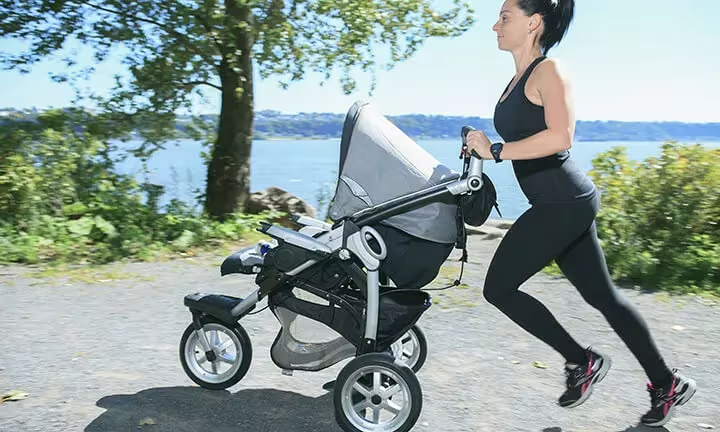
Exercise, when coupled with a healthy diet, can help you get back into shape. It also has other benefits, like boosting your energy levels, improving your mood, reducing stress, and helping you become strong and fit.
Talk to your healthcare provider before beginning or resuming exercise after childbirth. Once you get the all-clear you can start exercising whenever you feel ready. Some new moms can start to work out sooner than others, even a few days within vaginal delivery. Just listen to your body.
You may need to wait longer if you had a complicated labor or delivery. For example, if you had a cesarean section, your healthcare provider may recommend waiting about four to six weeks before starting to exercise again.
Once you are ready to get started, follow these tips for postpartum exercise:
Getting Help From Your Healthcare Provider
Diet and exercise are the best ways to lose weight healthily for most women, but in some cases, your healthcare provider may need to step in. The following options might be considered if you have a BMI above 30 or have certain medical conditions along with a high BMI.
Your healthcare provider may be able to help you with things like meal plans, safe exercises you can do in the postpartum period, and guidance on how much weight is safe for you to lose in a given time frame.
Can Breastfeeding Help With Postpartum Weight Loss?
The good news is that breastfeeding can help you lose some of that baby weight. When you breastfeed, you are using the fat cells stored in your body along with calories you’re consuming in your diet to create milk for your baby.
Just keep in mind that aggressive weight loss (by cutting too many calories, for example), can reduce your breast milk supply so you definitely want to avoid this.
Breastfeeding is all about keeping your little one nourished, so try to follow a breastfeeding diet that helps both of you stay healthy.
FAQs at a Glance
It may take up to 6 to 12 months to lose the baby weight.
The Bottom Line
Weight gain during pregnancy is necessary and natural, but it's understandable to want to lose weight after having a baby. As long as you have a healthy lifestyle and follow your healthcare provider’s advice, you’ll find that the weight will gradually come off, and slowly you’ll get back to your pre-pregnancy weight.
The key is to be patient with yourself and your body. Eat well and exercise because it makes you feel great, and focus on how amazing your baby is as well as all the good things in your life right now. Your postnatal well-being is as important as the number on the scales, so be kind to yourself and give your body enough time to adjust.
How We Wrote This Article The information in this article is based on the expert advice found in trusted medical and government sources, such as the American Academy of Pediatrics and the American College of Obstetricians and Gynecologists. You can find a full list of sources used for this article below. The content on this page should not replace professional medical advice. Always consult medical professionals for full diagnosis and treatment.
Articles Related To Labour & Delivery
- Mayo Clinic: Weight loss after pregnancy
- Womens Health: Recovering birth
- Cleveland Clinic: Exercise After Delivery
- Mayo Clinic: Postpartum Depression
- Book: Your Pregnancy and Childbirth: Month to Month, Sixth Edition Paperback – January 1, 2016 by American College of Obstetricians and Gynecologists (Author)
Prenatal Ultrasounds
Discover the significance of prenatal ultrasounds, an unforgettable moment for parents-to-be. Learn all about ultrasound scans during pregnancy with insights from Pampers In.
Read more
Preparing For Labor and Delivery
Retrieving data. Wait a few seconds and try to cut or copy again.
Read more
What to Expect After Birth
Get prepared for postpartum with our essential checklist. Navigate the whirlwind of delivery room activity confidently. Learn about breastfeeding after birth & postpartum care.
Read more
The Full Prenatal Care Guide
Prenatal care guide: Ensure a healthy pregnancy with expert advice from a prenatal care doctor. Discover how Pampers IN can support your journey.
Read more
Lochia: Is Postpartum Bleeding Normal?
Postpartum bleeding, known as lochia, is a part of your body’s natural recovery mechanism. Click here on Pampers India to know more about what bleeding after delivery entails!
Read more
What to Expect from a 6-Week Ultrasound? 3D and 4D Scans Explained
At 6 weeks pregnant? Explore the benefits of a 3D ultrasound and 4D scan. Get insights into your baby's development during your 6-week ultrasound appointment.
Read more
Benefits of postpartum massages for new mothers
Discover how postpartum massages aid recovery, reduce stress, relieve pain, and promote better sleep after delivery for new mothers.
Read more
20 Affirmations to Prepare for Labour and Delivery
Empower yourself with pregnancy affirmations for a calm labor, positive birth experience, and a confident mindset for delivery.
Read more
What Is a Mucus Plug, and What Happens When You Lose It?
Learn about the mucus plug during pregnancy, including what its role is, what losing your mucus plug could mean, and how these changes indicate labor.
Read more
What Are 3D and 4D Ultrasound Scans?
Discover the enhanced clarity of 3D and 4D ultrasound scans in pregnancy. Learn all you need to know about these advanced imaging techniques, with insights from Pampers IN.
Read morePrenatal Ultrasounds
Discover the significance of prenatal ultrasounds, an unforgettable moment for parents-to-be. Learn all about ultrasound scans during pregnancy with insights from Pampers In.
Read morePreparing For Labor and Delivery
Retrieving data. Wait a few seconds and try to cut or copy again.
Read moreWhat to Expect After Birth
Get prepared for postpartum with our essential checklist. Navigate the whirlwind of delivery room activity confidently. Learn about breastfeeding after birth & postpartum care.
Read moreThe Full Prenatal Care Guide
Prenatal care guide: Ensure a healthy pregnancy with expert advice from a prenatal care doctor. Discover how Pampers IN can support your journey.
Read moreLochia: Is Postpartum Bleeding Normal?
Postpartum bleeding, known as lochia, is a part of your body’s natural recovery mechanism. Click here on Pampers India to know more about what bleeding after delivery entails!
Read moreWhat to Expect from a 6-Week Ultrasound? 3D and 4D Scans Explained
At 6 weeks pregnant? Explore the benefits of a 3D ultrasound and 4D scan. Get insights into your baby's development during your 6-week ultrasound appointment.
Read moreBenefits of postpartum massages for new mothers
Discover how postpartum massages aid recovery, reduce stress, relieve pain, and promote better sleep after delivery for new mothers.
Read more20 Affirmations to Prepare for Labour and Delivery
Empower yourself with pregnancy affirmations for a calm labor, positive birth experience, and a confident mindset for delivery.
Read more