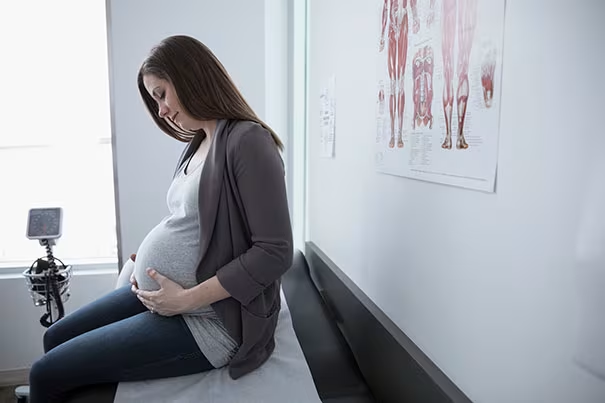
Epidural: What Is It and How Does It Work?


As you enter your third trimester and count down to the big day, you may be thinking about pain relief options for when you go into labour, such as an epidural injection. You may have heard of this popular method of delivering pain relief, but if you're not sure what it is, read on to find out everything you need to know about getting an epidural for your labour.

What Is an Epidural?
An epidural block is one of the most common types of pain relief used during labour and delivery. A catheter is injected into the epidural space in the lower back that can administer the pain relief medication that's needed to numb your lower abdomen and birth canal. One of the main benefits of having an epidural is that it allows you to remain alert and awake throughout delivery, while eliminating the pain.
It may take 10 to 20 minutes for the epidural shot to start to work, and the medication it delivers can be adjusted or topped up as needed so you feel comfortable.
The timing of the epidural is important. An epidural may be prescribed soon after your contractions begin or later as your labour progresses. Most doctors will recommend an epidural once you've started active labour, which is when your contractions are stronger and closer together.
Does Getting an Epidural Hurt?
Having a needle and a catheter inserted into your lower back may sound like a painful procedure, but before you get an epidural inserted into the space outside your spinal cord, your doctor will give you a local anaesthetic to block this pain.
Once you're on the epidural, you can still move and push, but depending on the medication you're on, you may not be able to walk. Although you won't feel any pain, you will still be aware of your contractions as your labour advances.
What Are the Epidural Pros and Cons?
Getting an epidural is a decision you and your doctor make together. However, you may want to consider the epidural's side effects and risks, as well as its benefits, to find out whether this method of pain relief is right for you.
These are the main benefits an epidural provides:
The epidural block's risks may include
You may not be suitable for an epidural if you have had surgery in your lower back, if you are taking certain medications, such as blood thinners, or if you have low blood-clotting factors.
Before your big day comes, explore all the pain relief options available to find the best one for you. For some women, an epidural is the best option, but even if you decide it isn't for you, there are still other ways you can make yourself more comfortable during labour. Whatever decision you make with your doctor, make sure you're confident it's the right choice for you. Once you feel prepared for labour and delivery, find out more about healing after childbirth.
Articles Related To Labour & Delivery
Prenatal Ultrasounds
Discover the significance of prenatal ultrasounds, an unforgettable moment for parents-to-be. Learn all about ultrasound scans during pregnancy with insights from Pampers In.
Read more
Preparing For Labor and Delivery
Retrieving data. Wait a few seconds and try to cut or copy again.
Read more
What to Expect After Birth
Get prepared for postpartum with our essential checklist. Navigate the whirlwind of delivery room activity confidently. Learn about breastfeeding after birth & postpartum care.
Read more
The Full Prenatal Care Guide
Prenatal care guide: Ensure a healthy pregnancy with expert advice from a prenatal care doctor. Discover how Pampers IN can support your journey.
Read more
Lochia: Is Postpartum Bleeding Normal?
Postpartum bleeding, known as lochia, is a part of your body’s natural recovery mechanism. Click here on Pampers India to know more about what bleeding after delivery entails!
Read more
What to Expect from a 6-Week Ultrasound? 3D and 4D Scans Explained
At 6 weeks pregnant? Explore the benefits of a 3D ultrasound and 4D scan. Get insights into your baby's development during your 6-week ultrasound appointment.
Read more
Benefits of postpartum massages for new mothers
Discover how postpartum massages aid recovery, reduce stress, relieve pain, and promote better sleep after delivery for new mothers.
Read more
20 Affirmations to Prepare for Labour and Delivery
Empower yourself with pregnancy affirmations for a calm labor, positive birth experience, and a confident mindset for delivery.
Read more
What Is a Mucus Plug, and What Happens When You Lose It?
Learn about the mucus plug during pregnancy, including what its role is, what losing your mucus plug could mean, and how these changes indicate labor.
Read more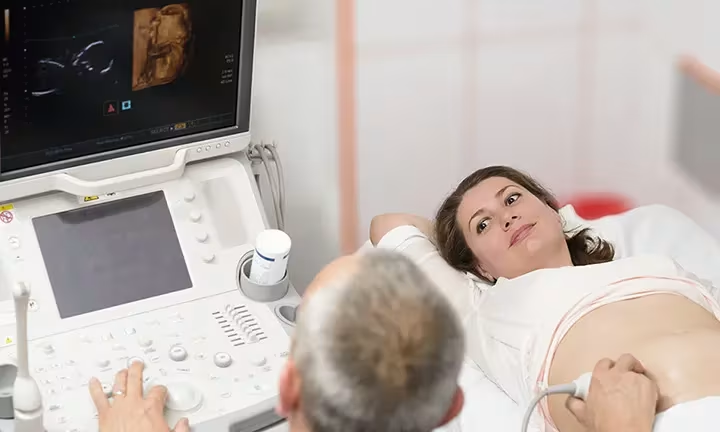
What Are 3D and 4D Ultrasound Scans?
Discover the enhanced clarity of 3D and 4D ultrasound scans in pregnancy. Learn all you need to know about these advanced imaging techniques, with insights from Pampers IN.
Read morePrenatal Ultrasounds
Discover the significance of prenatal ultrasounds, an unforgettable moment for parents-to-be. Learn all about ultrasound scans during pregnancy with insights from Pampers In.
Read morePreparing For Labor and Delivery
Retrieving data. Wait a few seconds and try to cut or copy again.
Read moreWhat to Expect After Birth
Get prepared for postpartum with our essential checklist. Navigate the whirlwind of delivery room activity confidently. Learn about breastfeeding after birth & postpartum care.
Read moreThe Full Prenatal Care Guide
Prenatal care guide: Ensure a healthy pregnancy with expert advice from a prenatal care doctor. Discover how Pampers IN can support your journey.
Read moreLochia: Is Postpartum Bleeding Normal?
Postpartum bleeding, known as lochia, is a part of your body’s natural recovery mechanism. Click here on Pampers India to know more about what bleeding after delivery entails!
Read moreWhat to Expect from a 6-Week Ultrasound? 3D and 4D Scans Explained
At 6 weeks pregnant? Explore the benefits of a 3D ultrasound and 4D scan. Get insights into your baby's development during your 6-week ultrasound appointment.
Read moreBenefits of postpartum massages for new mothers
Discover how postpartum massages aid recovery, reduce stress, relieve pain, and promote better sleep after delivery for new mothers.
Read more20 Affirmations to Prepare for Labour and Delivery
Empower yourself with pregnancy affirmations for a calm labor, positive birth experience, and a confident mindset for delivery.
Read more