What Is Roseola, and What Are the Symptoms?


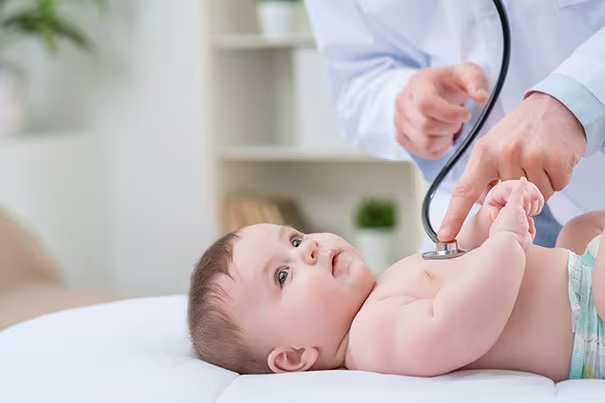
Roseola is a common and generally mild viral illness that can affect babies and toddlers. It's sometimes called sixth disease or roseola infantum, and it's usually not something you need to worry too much about. Roseola typically causes a few days of fever, which is sometimes followed by a rash, but in mild cases, you may not notice any symptoms at all. Read on to find out more about what roseola is, to learn the signs and symptoms, and for some tips that will help you assess when it may be a good idea to contact your baby's doctor.

What Is Roseola?
Roseola is a viral infection caused by two common strains of the human herpes virus. Older infants between 6 and 15 months are at the greatest risk of contracting roseola because they have not yet built up antibodies that help fight viruses, but it can commonly affect children up to age 2. (Newborns still retain antibodies they received in uterus from mum.) One bout of roseola in childhood may provide some immunity; repeat cases may occur, but are uncommon. It's good to know that if your child comes down with roseola, it's likely that he'll be back to normal within a week or so.
Signs and Symptoms of Roseola
If your child has been infected, it can take about one to two weeks for visible signs to appear. Though it's possible that no symptoms will appear at all, some symptoms that could appear might include:

When to Consult Your Child's Doctor and Treatment Options
Roseola can disappear on its own, but consult your baby's doctor if your child:
Has a fever of 39.4°C (103°F) or higher for 24 hours Has a fever that lasts more than seven days Has a rash that persists beyond three days Feels lethargic Won't drink water, formula, or breastfeed Has a convulsion (febrile seizure) as a result of a spiking fever (remember, this is rare, but if this occurs, contact a doctor right away) Has a weaker immune system, placing him at greater risk of complications relating to the fever.
In most cases roseola will resolve within a week, but in the meantime, keep your child comfortable with home treatments. Make sure he gets lots of rest and plenty of fluids. Roseola treatments that the doctor may recommend include an over-the-counter drug, such as acetaminophen, to help reduce the fever, or an antiviral medication.
Is Roseola Contagious?
Roseola is contagious even if no rash is present. It can spread through saliva (for example, sharing a cup with someone who is infected) or through respiratory droplets (via coughs or sneezes). If you're wondering: When is roseola contagious? It might be helpful to know that the contagious period is most likely during the fever stage.
To try to help prevent your child getting roseola, keep him away from people you know are infected. If your child has come in contact with someone you know has it, watch for signs of the virus. Keep in mind that your child may have been exposed without you knowing. Remember, although it's never pleasant to be sick, roseola is something many children will catch.
Adults can get roseola, too. In healthy adults, it tends to be mild, but they can still pass it on to children. That's why if anyone in your home has it, make sure all family members wash their hands regularly to help prevent it from spreading.
Roseola is generally not a cause for concern. It's a common childhood sickness, and your child will likely recover from roseola soon, so allow him to rest up and take it easy.
Articles Related To Baby Development

Neonatal Intensive Care Unit (NICU): Equipment
Get to know the NICU equipment crucial for premature baby care. Find out what tools are in the neonatal intensive care unit and their role in supporting your baby's health and growth.
Read more
Neonatal Intensive Care Unit (NICU): Common Problems
Retrieving data. Wait a few seconds and try to cut or copy again.
Read more
Hand, Foot, and Mouth Disease: Causes, Symptoms, Prevention & Treatment Hand, Foot, and Mouth Disease Explained
Hand, Foot, and Mouth Disease (HFMD) in newborns: Learn all the symptoms, causes, prevention tips, and treatment options to tackle this contagious illness in babies. Hand, Foot, and Mouth Disease (HFMD) in newborns: explore symptoms, causes, and treatment options to tackle this contagious illness for your baby's well-being.
Read more
Stork Bite Birthmarks
Navigate newborn skin markings: Stork bites, angel kisses, & nevus simplex—frequent birthmarks on baby's face or neck. Uncover their traits and significance.
Read more
Oral Thrush in Babies: Causes, Symptoms and Treatment
Oral thrush is a common fungal infection detected in babies. With proper treatment, oral thrush in newborns can be resolved easily. Click here on Pampers India to know more!
Read more
Pinkeye (Conjunctivitis) in Babies: Signs, Causes and Treatment
Pinkeye in babies and newborns can be caused by an infection or allergy. Read this guide to learn about the symptoms, treatments for pink eye, and how you can prevent it.
Read more
How to stop your newborn baby's hiccups in 10 easy ways
Newborn baby hiccups are very common and usually harmless. Get 10 tips on how to stop your baby's hiccups, and learn what causes baby hiccups and how to prevent them.
Read more
Baby Arching Back: Why Do Babies Arch Their Backs?
Learn why babies might arch their backs. So learn about common reasons, understand when it's normal, potential medical issues, and when to seek professional advice.
Read more
What to Know About Your Baby’s 2-Month Checkup
Curious about what to expect at your baby's 2-month checkup? Read on to learn from pediatricians about the screenings involved, important questions to ask, and how to best prepare for the visit.
Read more
Ear Infections in Babies and Toddlers: Signs and Symptoms
Is your baby pulling their ear, crying, or having trouble sleeping? These may be signs of an ear infection. Learn about the symptoms, causes, treatment, and how to tell if your child has one.
Read moreNeonatal Intensive Care Unit (NICU): Equipment
Get to know the NICU equipment crucial for premature baby care. Find out what tools are in the neonatal intensive care unit and their role in supporting your baby's health and growth.
Read moreNeonatal Intensive Care Unit (NICU): Common Problems
Retrieving data. Wait a few seconds and try to cut or copy again.
Read moreHand, Foot, and Mouth Disease: Causes, Symptoms, Prevention & Treatment Hand, Foot, and Mouth Disease Explained
Hand, Foot, and Mouth Disease (HFMD) in newborns: Learn all the symptoms, causes, prevention tips, and treatment options to tackle this contagious illness in babies. Hand, Foot, and Mouth Disease (HFMD) in newborns: explore symptoms, causes, and treatment options to tackle this contagious illness for your baby's well-being.
Read moreStork Bite Birthmarks
Navigate newborn skin markings: Stork bites, angel kisses, & nevus simplex—frequent birthmarks on baby's face or neck. Uncover their traits and significance.
Read moreOral Thrush in Babies: Causes, Symptoms and Treatment
Oral thrush is a common fungal infection detected in babies. With proper treatment, oral thrush in newborns can be resolved easily. Click here on Pampers India to know more!
Read morePinkeye (Conjunctivitis) in Babies: Signs, Causes and Treatment
Pinkeye in babies and newborns can be caused by an infection or allergy. Read this guide to learn about the symptoms, treatments for pink eye, and how you can prevent it.
Read moreHow to stop your newborn baby's hiccups in 10 easy ways
Newborn baby hiccups are very common and usually harmless. Get 10 tips on how to stop your baby's hiccups, and learn what causes baby hiccups and how to prevent them.
Read moreBaby Arching Back: Why Do Babies Arch Their Backs?
Learn why babies might arch their backs. So learn about common reasons, understand when it's normal, potential medical issues, and when to seek professional advice.
Read more