What is a Clogged Milk Duct and What Causes It?


RELATED ARTICLE

If you’re breastfeeding your little one, you may develop a clogged milk duct at some point. Find out why clogged milk ducts happen, what the symptoms are, and how it can be treated and prevented.

What Is a Clogged Milk Duct?
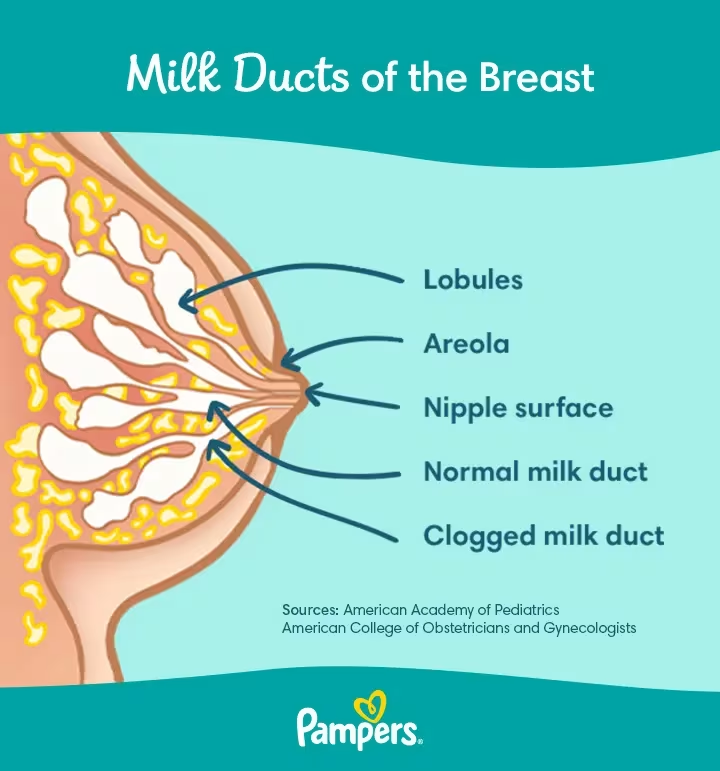
While breastfeeding your baby you may experience a clogged milk duct along the way. Milk ducts are tiny tubes that carry milk from glands (called lobules) inside the breast out to the nipple. Each nipple has 15 to 25 tiny openings called pores, but only about 6 or 7 are open to release milk during nursing. Sometimes a duct can get blocked with milk, which may result in an area of your breast becoming red and tender.
What Are the Signs of a Clogged Milk Duct?
Here are some signs of a plugged milk duct:
What Does a Clogged Milk Duct Look Like/Feel Like?
You may not know that you have a clogged milk duct just by looking at your breast. It’s really a combination of how it looks and feels. If there is a red and irritated area on your breast that feels soft, tender, or dense upon touching it, it may be a clogged milk duct.
What Causes a Clogged Milk Duct?
Clogged milk ducts can happen due to any of the following:
Treatment for a Blocked Milk Duct
There are a number of ways that you can treat, clear, or unclog a clogged milk duct, including:

If you experience any body aches or a fever in addition to the clogged milk duct, it’s best to reach out to your healthcare provider, as it may be a sign of a breast infection called mastitis. If you’re unsure what’s causing breast pain or tenderness, go to your healthcare provider for a professional diagnosis.
How Can You Prevent Clogged Milk Ducts?
There are a few steps you can take in order to prevent clogged milk ducts. You may recognize many of the following tips from above, as these prevention strategies can also help clear a clogged milk duct:
If you’re having problems with latch, if you have reoccurring bouts of clogged milk ducts, or if you have any questions at all about breastfeeding, reach out to your healthcare provider or meet with a lactation consultant for personalized help and guidance.
Can You Squeeze a Plugged Milk Duct?
It’s not the plugged milk duct that you can squeeze, but, in fact, the nipple. If you notice that there is dried milk on your nipple or the nipple pore is clogged, you can soak the affected nipple in warm water, and then try to express milk by hand to loosen and expel the milk that’s causing the blockage.
How Do You Massage a Clogged Milk Duct?
It’s best to massage the affected breast starting from the area where you feel the lump (the area of the clogged milk duct) toward the nipple. This helps move the blockage toward the nipple so that it can be expelled. You can do this before you breastfeed your baby, during breastfeeding, or when you’re taking a bath or a shower.
Does Ibuprofen Help Clogged Milk Ducts?
Yes, pain killers like ibuprofen or acetaminophen can help manage the pain associated with a clogged milk duct. Be sure to check with your healthcare provider first before taking any over-the-counter pain medicine, though, just to be on the safe side.
The Bottom Line
Clogged milk ducts can happen for many reasons, including if you’re unable to fully empty your breast when breastfeeding your little one. Luckily, there are steps you can take to prevent and/or clear a clogged milk duct. Sticking to a regular breastfeeding schedule, trying different nursing positions, and making sure your little one feeds for as long as it takes to empty your breast of milk can all help prevent and/or clear a clogged milk duct. If your baby doesn’t feed for as long as you need him to, feel free to express or pump out the excess milk. Having the pain and discomfort that comes along with a clogged milk duct isn’t easy, but sticking to a regular breastfeeding routine and paying attention to your baby’s feeding patterns and latch is key to preventing future clogged milk ducts. If you’re ever in need of help, turn to your healthcare provider or a lactation consultant for personalized breastfeeding tips and support.
How We Wrote This Article The information in this article is based on the expert advice found in trusted medical and government sources, such as the American Academy of Pediatrics and the American College of Obstetricians and Gynecologists. You can find a full list of sources used for this article below. The content on this page should not replace professional medical advice. Always consult medical professionals for full diagnosis and treatment.

When Can Babies Eat Eggs?
Wondering when it's safe to give eggs to your baby? Explore tips on introducing eggs safely into your baby's diet and how to prepare them. Plus, find Pampers IN for more parenting advice.
Read more
Newborn to 12 Month Old Baby: Feeding Schedule & Charts
Develop a perfect feeding schedule for your baby with our detailed guide. Ensure your baby receives the right nutrition at every stage of their growth.
Read more
Baby-Led Weaning- (BLW): How to start solids, best foods & safety tips
Baby-led weaning involves introducing solid foods to babies while skipping the pureed food phase. Get expert tips on when to start BLW and the safest foods for BLW.
Read more
How a Lactation Consultant Can Help You
Tips on how lactation consultants can support breastfeeding, addressing issues like sore nipples and low milk supply. Get expert advice to enhance your breastfeeding experience with help from Pampers.
Read more
What is nipple confusion and how to prevent it?
Understand what nipple confusion is, its causes, signs, and practical tips to prevent confusion between breast and bottle feeding for newborns.
Read more
5 Tips for Breastfeeding in Public
Make public breastfeeding easier with these tips. Learn how to breastfeed comfortably and what essentials to have on hand for a smooth experience.
Read more
Sore, Cracked, or Bleeding Nipples While Breastfeeding
Effective relief for cracked nipples during breastfeeding. Explore causes, treatments, and prevention methods for soothing comfort. Find solutions for cracked nipples.
Read more
Find Out Whether You Can Consume Caffeine While Breastfeeding
" Can you consume caffeine while breastfeeding? Find out how much caffeine it’s safe to consume while breastfeeding and what effect too much caffeine can have on your breastfeeding baby’s health and well-being."
Read more
The 19 Most Useful Breastfeeding Tips and Tricks
Struggling with breastfeeding? Discover helpful tips to ease the process for you and your newborn. Get started with confidence and ensure a successful breastfeeding journey
Read more
When Can You Introduce Honey to Your Baby
Explore the risks of giving honey to infants and learn when it's safe to introduce this sweet treat to your little one. Get expert guidance here, brought to you by Pampers IN
Read moreWhen Can Babies Eat Eggs?
Wondering when it's safe to give eggs to your baby? Explore tips on introducing eggs safely into your baby's diet and how to prepare them. Plus, find Pampers IN for more parenting advice.
Read moreNewborn to 12 Month Old Baby: Feeding Schedule & Charts
Develop a perfect feeding schedule for your baby with our detailed guide. Ensure your baby receives the right nutrition at every stage of their growth.
Read moreBaby-Led Weaning- (BLW): How to start solids, best foods & safety tips
Baby-led weaning involves introducing solid foods to babies while skipping the pureed food phase. Get expert tips on when to start BLW and the safest foods for BLW.
Read moreHow a Lactation Consultant Can Help You
Tips on how lactation consultants can support breastfeeding, addressing issues like sore nipples and low milk supply. Get expert advice to enhance your breastfeeding experience with help from Pampers.
Read moreWhat is nipple confusion and how to prevent it?
Understand what nipple confusion is, its causes, signs, and practical tips to prevent confusion between breast and bottle feeding for newborns.
Read more5 Tips for Breastfeeding in Public
Make public breastfeeding easier with these tips. Learn how to breastfeed comfortably and what essentials to have on hand for a smooth experience.
Read moreSore, Cracked, or Bleeding Nipples While Breastfeeding
Effective relief for cracked nipples during breastfeeding. Explore causes, treatments, and prevention methods for soothing comfort. Find solutions for cracked nipples.
Read moreFind Out Whether You Can Consume Caffeine While Breastfeeding
" Can you consume caffeine while breastfeeding? Find out how much caffeine it’s safe to consume while breastfeeding and what effect too much caffeine can have on your breastfeeding baby’s health and well-being."
Read more