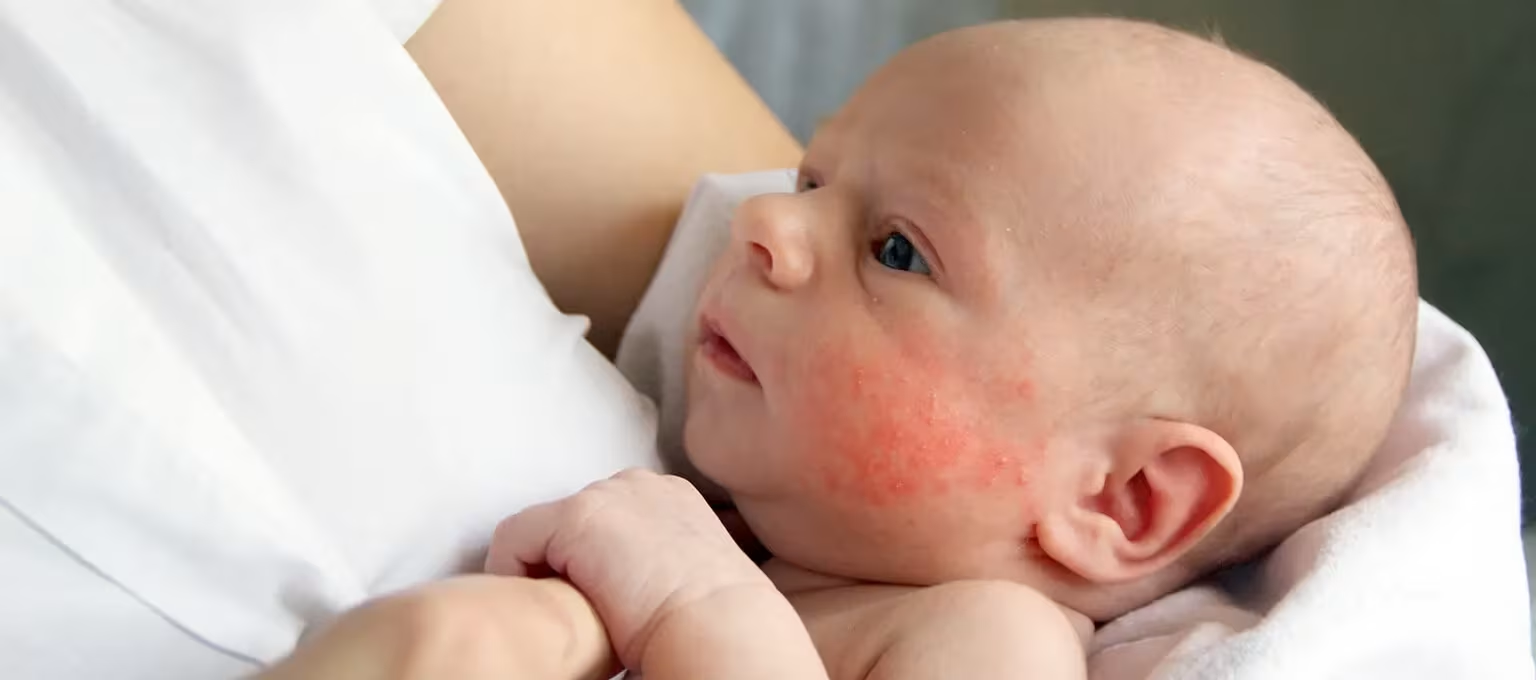
Newborn baby dry skin tips & remedies


Taking care of a newborn involves a myriad of responsibilities and tones of care and attention. If you are a new parent, trying to navigate the journey of parenting, it is quite common to be concerned about the health aspects of your newborn. One common aspect of a baby that concerns most new parents is the baby's dry skin. Parents often worry about how to care for newborn dry skin and scalp, But worry not, with the right newborn dry scalp treatment, you can ensure your baby's skin remains supple and healthy.
This article will serve as your complete guide to understanding the causes and treatment of dry skin in babies. We will also shed light on some preventive measures you can take to maintain the health of your baby’s skin, so stay tuned and read to the end.

Why Does A Baby’s Skin Peel?
It is common for a newborn’s skin to peel. When the baby transitions from being enveloped in amniotic fluid in the womb to the outside world, their skin undergoes a natural peeling. This initial peeling is natural and usually, not a cause of concern. This shedding skin is a common adjustment to make way for a fresh, more resilient layer of skin, especially if it has been on the drier side after birth.
Causes Of Dry Skin In Babies
Understanding the root cause of a baby's dry skin is important to curate the right newborn dry skin treatment. Here are some of the common causes of dry skin in babies:
1. Dry climate
A baby’s skin is particularly sensitive to changes in humidity and temperature. A dry climate or the use of indoor heating devices or even air conditioners can reduce humidity levels in the room, leading to dry skin in babies.
2. Overbathing
Bathing the baby too often can strip its delicate skin of its natural oils. Overbathing your baby can lead to dry skin in babies or aggravate existing dry patches.
3. Hot water
While it may seem counterintuitive that water can lead to dry skin, the temperature of the baby’s bath water can disrupt the baby’s skin barrier. Hot water can dry out and irritate the skin more than lukewarm or cold water. Lukewarm water is a sweet spot that can be used while bathing the baby.
4. Sensitive skin
Newborns have particularly sensitive skin that can quickly respond to minor irritants. Detergents, soaps and even certain fabrics can lead to dry skin in babies.
5. Genetics
For some infants, dry skin can be hereditary. Your baby’s skin might be more vulnerable to dry skin or similar skin issues if you have a family history of eczema or other skin conditions.
6. Vitamin and mineral deficiency
Although very rare, a lack of essential vitamins and minerals can contribute to skin dryness. In such cases, the newborn dry skin remedy is very easy. Upon consultation with your paediatrician, you must ensure that the baby is getting adequate nutrition either through breast milk or formula.
In addition to these common causes for baby dry skin, there are other rare but possible complications like natural sloughing off of skin cells, prolonged exposure to amniotic fluid or the use of certain medications during pregnancy.
Newborn Dry Skin Treatment In Babies
Here we have listed some of the most practical and effective dry skin remedies for newborns that help you ensure that your baby’s skin remains hydrated and healthy.
1. Limit bath time
Shorten the duration of the bath to about 5 to 10 minutes so that the water does not take away the natural oils from the skin. The water should be lukewarm as hot water can dehydrate the skin even more.
2. Apply moisturiser regularly
Apply a good-quality, fragrance-free baby moisturiser after every bath to keep the moisture locked in the skin. This is one habit that can easily prevent the baby's skin from getting dry and dehydrated.
3. Avoid harsh chemicals
Use only mild, fragrance-free soaps and laundry detergents meant for sensitive baby skin. Chemicals used in most common products are pretty harsh and tend to irritate newborn-sensitive skin, leading to increased dryness.
4. Maintain hydration levels in the baby
Babies get most of their hydration from either breast milk or formula. Ensuring that the baby feeds enough will help them stay hydrated and nourished, ensuring their skin stays healthy.
5. Protect the baby from sun exposure
Immature skin burns easily, which leads to increased dryness. Ensure your baby is not exposed directly to sunlight. Take time to use sun hats as they will provide direct shade.
6. Protect the baby from cold air
Cold weather and wind can dry out a baby’s delicate skin. To prevent your baby from getting dry skin, cover him/her appropriately when going outdoors and consider applying an additional layer of moisturiser during colder months.
7. Use a humidifier
If you live in a dry climate or are using an indoor heater during winter, a humidifier can help maintain humidity levels in your baby's room, preventing excess dryness of the skin.

Final Takeaway
While it may be concerning for new parents to see their little one’s skin peeling in the first few days after birth, it is important to know that this is a normal part of developing their skin. By understanding the causes and employing these simple but effective newborn dry skin remedies, you can help alleviate discomfort and keep your baby’s skin soft and healthy. If the skin condition persists or gets worse even after taking the above-mentioned newborn dry scalp treatments, consult your baby’s healthcare provider to determine the best course of action for your his or her well-being.
- https://www.healthline.com/health/parenting/newborn-skin-peeling#treatments
- https://www.aveeno.in/how-to/how-identify-help-babys-dry-skin
- https://www.summerhealth.com/blog/5-home-remedies-for-your-babys-dry-skin

How To Protect Baby’s Skin In Winter
Winters can be harsh on your baby’s delicate skin. Follow some basic tips for baby’s skin care routine suggested by experts at Pampers India.
Read more
How to Protect a Premature Baby’s Skin from Diaper Rash
Diaper rash can irritate premature baby’s gentle skin. Prevent diaper rash by following some easy baby care tips suggested by Pampers India experts. Visit now!
Read more
Symptoms & Preventive Tips For Diaper Rash In Newborn Baby
Diaper rash is an infection that causes the skin of your baby's bottom to turn red, blotchy & tender. Know more about diaper rash, its symptoms & prevention tips on Pampers India. Visit now!
Read more
What to Do When Your Baby Has Eczema
Eczema (or atopic dermatitis) can show up as red itchy flaky patches on your baby skin and must be treated differently from adult eczema. Learn about what causes eczema in babies and how to treat it.
Read more
Newborn Baby Acne: Causes, Signs, and Treatment
Neonatal acne are pimples on your newborn's face that can appear around two to five weeks after his birth. Find out how you can care for your baby's skin.
Read more
Benefits of Baby Massage & How to do it correctly
Baby massage is proven to have multiple benefits on a baby like it helps colic, aids digestion and promotes physical growth while massaging a new born also stimulates blood circulation & many more.
Read more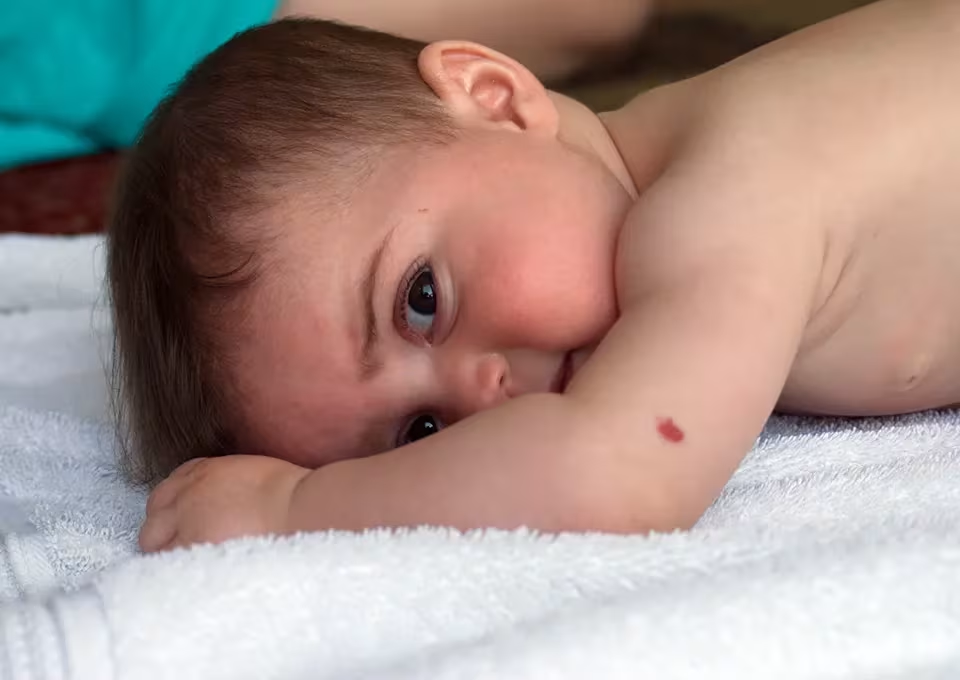
What Is a Birthmark and What Types Are There?
Baby birthmarks come in many shapes and sizes. Some are temporary, others may be permanent. Learn more about the causes of birthmarks and the different types.
Read more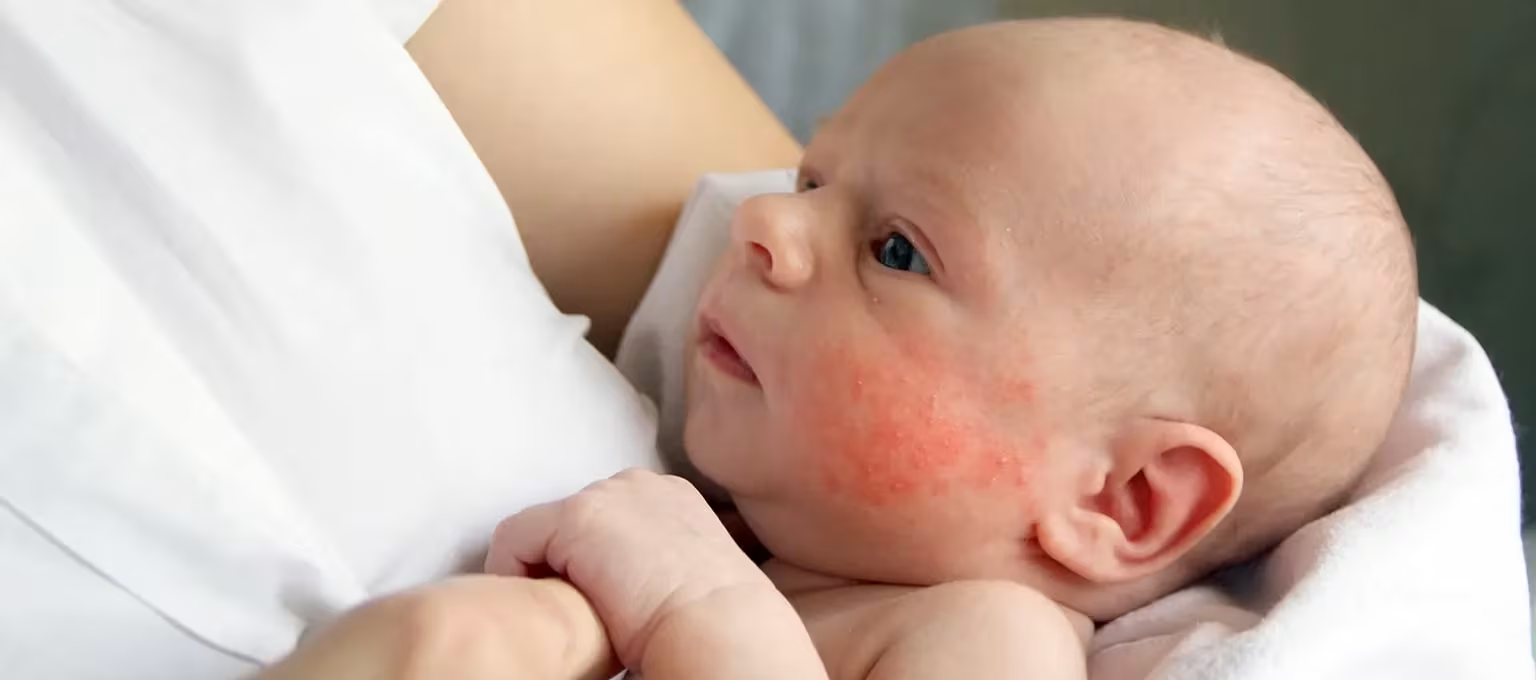
Common Rashes in Newborn Babies
Explore common baby rashes like teething, viral, and allergy rashes. Learn about causes and treatment options for newborn skin rashes on face, back, and more.
Read more
Chicken Pox in Babies and Toddlers, and During Pregnancy
Discover chicken pox symptoms in infants and pregnancy with Pampers IN. Learn about treatment options and when to seek medical advice for your baby's health
Read moreHow To Protect Baby’s Skin In Winter
Winters can be harsh on your baby’s delicate skin. Follow some basic tips for baby’s skin care routine suggested by experts at Pampers India.
Read moreHow to Protect a Premature Baby’s Skin from Diaper Rash
Diaper rash can irritate premature baby’s gentle skin. Prevent diaper rash by following some easy baby care tips suggested by Pampers India experts. Visit now!
Read moreSymptoms & Preventive Tips For Diaper Rash In Newborn Baby
Diaper rash is an infection that causes the skin of your baby's bottom to turn red, blotchy & tender. Know more about diaper rash, its symptoms & prevention tips on Pampers India. Visit now!
Read moreWhat to Do When Your Baby Has Eczema
Eczema (or atopic dermatitis) can show up as red itchy flaky patches on your baby skin and must be treated differently from adult eczema. Learn about what causes eczema in babies and how to treat it.
Read moreNewborn Baby Acne: Causes, Signs, and Treatment
Neonatal acne are pimples on your newborn's face that can appear around two to five weeks after his birth. Find out how you can care for your baby's skin.
Read moreBenefits of Baby Massage & How to do it correctly
Baby massage is proven to have multiple benefits on a baby like it helps colic, aids digestion and promotes physical growth while massaging a new born also stimulates blood circulation & many more.
Read moreWhat Is a Birthmark and What Types Are There?
Baby birthmarks come in many shapes and sizes. Some are temporary, others may be permanent. Learn more about the causes of birthmarks and the different types.
Read more