
When and how to pierce your baby's ears?


Welcome to the wonders of parenting, where every decision, from choosing the right brand of diapers for your baby to infant ear piercing, is a journey in itself! If you are wondering what would be the right time to get your newborn an ear piercing, what precautions to take, safety measures and possible complications, you have come to the right place.
In this article, we will shed light on everything you need to know about piercing a baby’s ears. Read ahead to know all the possible complications involved and things you should know as a parent to make an informed decision for your baby.

When Should I Pierce My Baby’s Ears?
The decision as to when to opt for infant ear piercing is a matter of personal preference. Some paediatricians recommend that it is a good idea to let your baby have their first set of vaccinations before piercing the baby’s ears. Around two months of age, the baby is given the tetanus vaccine which can protect the child against the germs associated with a piercing. While the risk of getting a tetanus infection from an earlobe piercing is small, it is always a good idea to be proactive about your baby’s health. To figure out what is the best time to pierce your infant’s ears, talk to your paediatrician.
Newborn Ear Piercing: Things To Keep In Mind
Piercing your newborn’s ears is not just about adorning their earlobes with pretty little earrings, there is more to this decision. Before you decide to pierce your baby’s ears, there are a few things to consider. Here’s a list of things to keep in mind before piercing your baby’s ears:
1. Avoid
Piercing a newborn’s ears is generally not recommended. It's better to wait until your baby gets a bit older so that the process can be both safe and less painful for them. When they are two-months old, it allows the ears to grow and gives their immune system time to cope with any infections. By this time, it would also be easier to ensure proper infant ear piercing aftercare.
2. Use the right earrings
Using small, round earrings made out of hypoallergenic metal such as surgical steel or gold will reduce any risk of developing an allergy.
3. Use sterile equipment
Whether you choose to get your infant’s ear piercing at a paediatrician's office or a reputed jewellery store, make sure that the equipment used for piercing a baby's ears is properly sterilised so as to reduce the possibility of catching an infection.
4. Keep the new jewellery in for at least six weeks
Give enough time for the piercing to heal, meanwhile, do not remove the new earrings for at least six weeks. During this timeframe, the risk of premature closing of the holes is the highest, keeping the jewellery in will prevent this.
5. Seek advice
Seek advice from professionals who specialise in infant ear piercing. Taking guidance from an expert will make the process easier and safer.
6. Look out for infection
Monitor your baby's ears after piercing. If you notice redness, swelling or discharge, the area may have become infected. Seek advice from a paediatrician immediately if you see these symptoms. Prompt action can prevent the infection from worsening
7. Allergies
Be conscious of metal allergies. Use jewellery made of hypoallergenic materials to help you avoid allergic reactions to the earrings.
8. Aftercare and cleaning
Saline solution or an antiseptic prescribed by your paediatrician should be used to gently clean the piercings. This is the step that promotes healing and prevents infection.
9. Do not pierce the ear cartilage
Piercing the lobe area of the infant's ear is safer as it is softer and less risky than the cartilage.
10. Avoid dangling jewellery
Steer clear of earrings with dangling parts that could become a choking hazard or get pulled by curious little fingers. Experts recommend that the best kind of jewellery for babies are gold post earrings that are small, round and as flat as possible.
11. Pain
Piercing a baby’s ears can be slightly painful, but it is generally quick. Talk to your paediatrician for pain relief options if you're worried about pain management. Consult your healthcare professional about applying an ice pack on the site before and after the piercing to numb the pain. The good part is that this pain is short-lived if the area is kept clean and infection-free.
Are There Any Risks Associated With Newborn Ear Piercing?
Piercing your baby’s ears is usually safe if done with precautions by a professional. However, there are a few potential risks like infections, allergic reactions, formation of keloids, bleeding, ear tearing, and embedded backings. Proper aftercare and choosing the right professionals for the procedure can significantly minimise these risks.
To prevent your baby from catching infections, you can take the following measures.
It is also important to note that infants can touch their newly pierced ears with dirty hands. So, either pierce the baby’s ears when they are too young to reach for their ears or wait a few years until they are mature enough to take care of the piercing.
Where Should I Go For Piercing My Newborn’s Ears?
Look for reputable paediatrician offices or the services of an experienced and professional jeweller who performs newborn ear piercing. A professional ear piercer will be equipped with the right experience and tools to perform this procedure safely and hygienically.

Takeaway
Getting a newborn ear piercing can be a delightful ritual but it must be performed with utmost consideration and care. Remember to consult with professionals, make sure to use safe materials and don't forget the aftercare instructions in order to keep your little one’s ear-piercing experience both safe and sparkly!Embark on this glittery journey with knowledge and enjoy the feeling of seeing those tiny ears shine brightly, just like your little one's smile!

How To Protect Baby’s Skin In Winter
Winters can be harsh on your baby’s delicate skin. Follow some basic tips for baby’s skin care routine suggested by experts at Pampers India.
Read more
How to Protect a Premature Baby’s Skin from Diaper Rash
Diaper rash can irritate premature baby’s gentle skin. Prevent diaper rash by following some easy baby care tips suggested by Pampers India experts. Visit now!
Read more
Symptoms & Preventive Tips For Diaper Rash In Newborn Baby
Diaper rash is an infection that causes the skin of your baby's bottom to turn red, blotchy & tender. Know more about diaper rash, its symptoms & prevention tips on Pampers India. Visit now!
Read more
What to Do When Your Baby Has Eczema
Eczema (or atopic dermatitis) can show up as red itchy flaky patches on your baby skin and must be treated differently from adult eczema. Learn about what causes eczema in babies and how to treat it.
Read more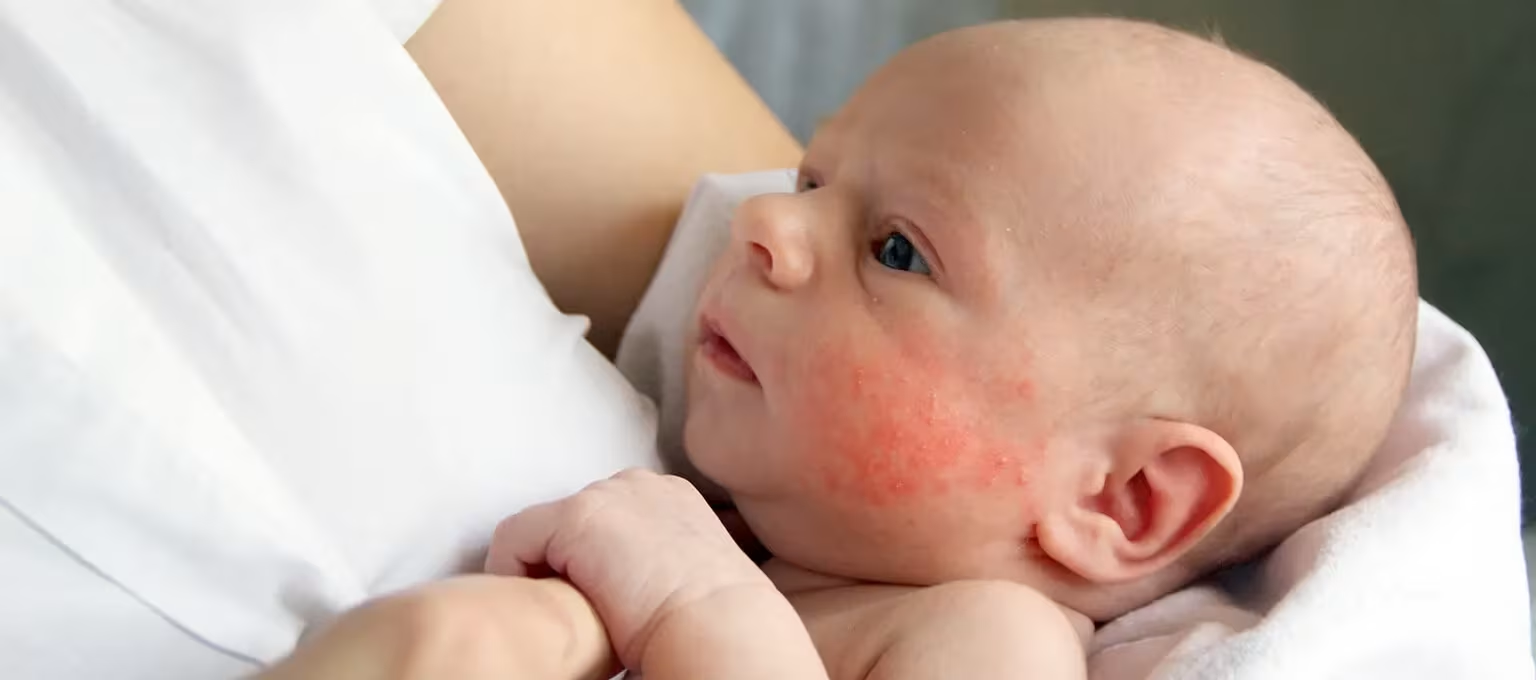
Newborn baby dry skin tips & remedies
Find out how to manage newborn dry skin with gentle remedies, moisturizing tips, and prevention methods for soft, healthy baby skin.
Read more
Newborn Baby Acne: Causes, Signs, and Treatment
Neonatal acne are pimples on your newborn's face that can appear around two to five weeks after his birth. Find out how you can care for your baby's skin.
Read more
Benefits of Baby Massage & How to do it correctly
Baby massage is proven to have multiple benefits on a baby like it helps colic, aids digestion and promotes physical growth while massaging a new born also stimulates blood circulation & many more.
Read more
What Is a Birthmark and What Types Are There?
Baby birthmarks come in many shapes and sizes. Some are temporary, others may be permanent. Learn more about the causes of birthmarks and the different types.
Read more
Common Rashes in Newborn Babies
Explore common baby rashes like teething, viral, and allergy rashes. Learn about causes and treatment options for newborn skin rashes on face, back, and more.
Read more
Chicken Pox in Babies and Toddlers, and During Pregnancy
Discover chicken pox symptoms in infants and pregnancy with Pampers IN. Learn about treatment options and when to seek medical advice for your baby's health
Read moreHow To Protect Baby’s Skin In Winter
Winters can be harsh on your baby’s delicate skin. Follow some basic tips for baby’s skin care routine suggested by experts at Pampers India.
Read moreHow to Protect a Premature Baby’s Skin from Diaper Rash
Diaper rash can irritate premature baby’s gentle skin. Prevent diaper rash by following some easy baby care tips suggested by Pampers India experts. Visit now!
Read moreSymptoms & Preventive Tips For Diaper Rash In Newborn Baby
Diaper rash is an infection that causes the skin of your baby's bottom to turn red, blotchy & tender. Know more about diaper rash, its symptoms & prevention tips on Pampers India. Visit now!
Read moreWhat to Do When Your Baby Has Eczema
Eczema (or atopic dermatitis) can show up as red itchy flaky patches on your baby skin and must be treated differently from adult eczema. Learn about what causes eczema in babies and how to treat it.
Read moreNewborn baby dry skin tips & remedies
Find out how to manage newborn dry skin with gentle remedies, moisturizing tips, and prevention methods for soft, healthy baby skin.
Read moreNewborn Baby Acne: Causes, Signs, and Treatment
Neonatal acne are pimples on your newborn's face that can appear around two to five weeks after his birth. Find out how you can care for your baby's skin.
Read moreBenefits of Baby Massage & How to do it correctly
Baby massage is proven to have multiple benefits on a baby like it helps colic, aids digestion and promotes physical growth while massaging a new born also stimulates blood circulation & many more.
Read moreWhat Is a Birthmark and What Types Are There?
Baby birthmarks come in many shapes and sizes. Some are temporary, others may be permanent. Learn more about the causes of birthmarks and the different types.
Read more