
Pregnancy Brain: Is It Real & How To Cope With It?


If you’re experiencing forgetfulness, fogginess, or general absent-mindedness while pregnant, you could have what’s sometimes known as “pregnancy brain.” There’s no scientific or medical consensus that pregnancy brain is real, but several studies have revealed a relation between being pregnant and poorer performance of typical cognitive functions. Read on to learn what pregnancy brain is, if it’s real, what causes it, and how you can help boost your memory and concentration while pregnant.

What Is Pregnancy Brain and Is It Real?
Pregnancy brain isn’t an official medical condition; rather, it’s a catchall term for some symptoms that affect many—if not most—pregnant people. Though it might not be a true condition, with so many reports of forgetfulness and mental fogginess while pregnant (and sometimes postpartum), it's likely that something is going on. Whether or not experts end up deciding that pregnancy brain is real, it's helpful to know more about the various symptoms you may experience and their potential causes.
What Causes Pregnancy Brain and Is It Normal?
It’s not clear what leads to the forgetfulness and general “momnesia” of pregnancy brain. However, there are a few possible factors.
In addition to these common possible triggers, some research suggests that that being pregnant does lead to memory impairment and reduced attention span, which often continue into the postpartum period. At the same time, other studies find that there’s little or no difference in these functions among those who are pregnant and those who aren’t. So, although there are some clear links between what happens during pregnancy (hormonal changes, fatigue, stress, etc.) and the so-called pregnancy brain symptoms, the (medical) jury is still out on its status as an actual condition.
The Effects of Pregnancy on the Brain
Though pregnancy brain isn’t an officially sanctioned medical condition, one small (but important) study shows that pregnancy does lead to changes in the brain’s structure, and that those changes may last up to two years after someone gives birth. Here’s how the study went:
OK, so pregnancy brain just went from annoying hormones to reduced gray matter! But what makes this study so interesting is that this observed effect could be a positive one. Experts suggest that this “pruning” or “shedding” of brain tissue helps the brain become more focused and efficient for the job that lies ahead—caring for a tiny baby—and enables a new parent to form a stronger attachment to the baby. So, if you’re experiencing a little memory loss, lack of concentration, or general forgetfulness, that might just be pregnancy brain helping you prepare for your new baby!

Pregnancy Brain Symptoms
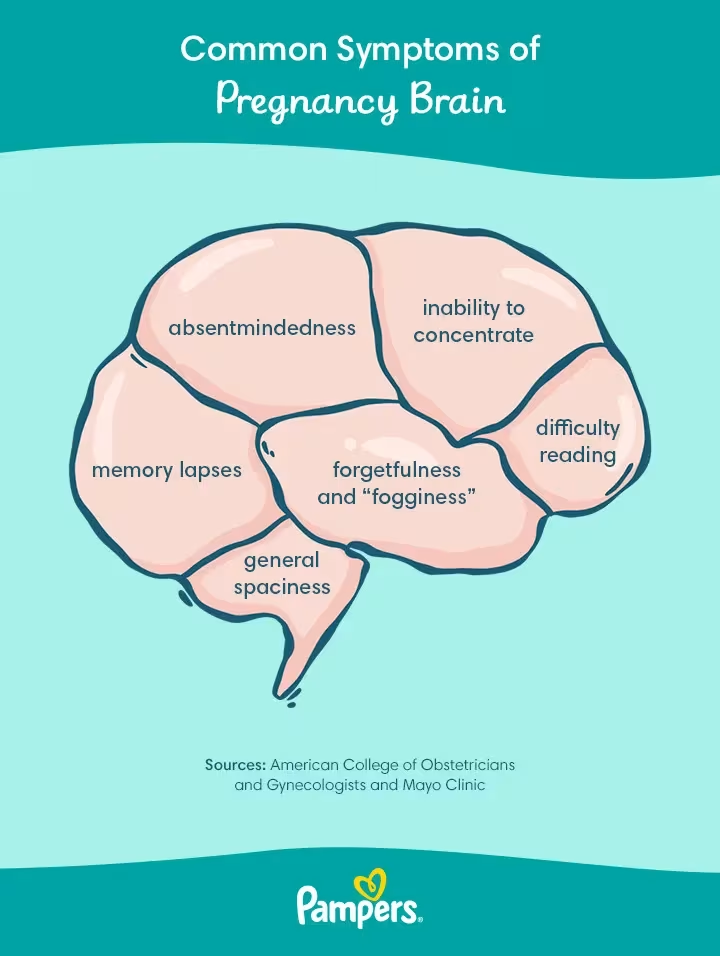
The symptoms and severity of pregnancy brain vary from person to person. Some examples of pregnancy brain include
When these conditions hit, sometimes all at once, it can throw you for a loop, especially when you’re dealing with the many physical and lifestyle changes that already come with being pregnant.
Remember that these symptoms are normal and you’re doing a great job as your little one develops inside that baby bump of yours!
When Does Pregnancy Brain Start and How Long Will It Last?
No two people or pregnancies are the same, so there’s no common starting or stopping point for any typical symptoms of pregnancy brain. You could experience brain fog early in your pregnancy due to shifting hormones, or you may notice pregnancy brain later on in your third trimester, when a little anxiety or stress might take over as you anticipate your baby’s arrival, and your brain starts preparing for parenthood. The amount of time pregnancy brain lasts may depend on what is causing or contributing to the symptoms and when those triggers subside. Take the following as examples:
Consult your healthcare provider if you have concerns or questions about any changes in memory or cognitive function during (or after) pregnancy. One way to cope with pregnancy brain is to start getting ready for your little one’s arrival. Watch the video below for tips on preparing the nursery:

What to Do About Pregnancy Brain
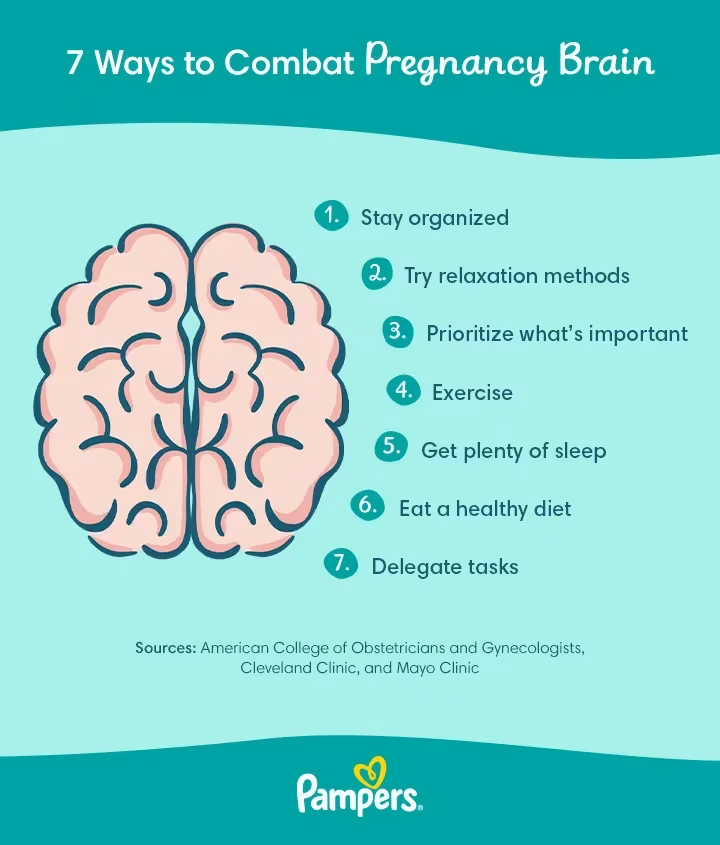
No matter what lies behind the brain fog, it’s worthwhile to have some tools and tips to help you focus and stay organized. Try the following strategies that may help support you when dealing with pregnancy brain:
Eat well. Maintain a healthy pregnancy diet to ensure you’re getting the nutrients you need. Eating the right foods can also help keep those energy levels up and support brain function.
FAQS AT A GLANCE
Pregnancy brain isn’t a medical term or condition, but many studies have shown that symptoms such as brain fog, forgetfulness, memory loss, and trouble concentrating do occur in pregnancy.
The Bottom Line
Many pregnant people report symptoms of what’s known as “pregnancy brain,” like forgetfulness, short periods of memory loss, and mental fogginess—and several studies confirm that pregnancy can lead to poorer cognitive function and impact the brain. At the same time, other studies show little or no difference in brain functionality in those who are pregnant and those who aren’t. The medical community may be on the fence as to whether pregnancy brain is real, but know that it’s normal to experience brain fog, absentmindedness, and other similar symptoms while pregnant. One interesting study showed physical changes in the brain during pregnancy and suggested that the changes could help in preparing for parenthood and bonding with your new baby. So, maybe it’s just fatigue and hormones getting the better of you, or perhaps there’s truly something beneficial behind the concept of pregnancy brain. Regardless, do your best to be patient as you work through these symptoms and face other challenges during your pregnancy. Remind yourself that you’re on a wonderful journey and that it won’t be long now until you’re welcoming your newest family member!
How We Wrote This Article The information in this article is based on the expert advice found in trusted medical and government sources, such as the American Academy of Pediatrics and the American College of Obstetricians and Gynecologists. You can find a full list of sources used for this article below. The content on this page should not replace professional medical advice. Always consult medical professionals for full diagnosis and treatment.
Articles Related To Pregnancy Symptoms
- Book: Your Pregnancy and Childbirth: Month to Month, Sixth Edition Paperback – January 1, 2016, by American College of Obstetricians and Gynecologists (Author)
- Hoekzema, et al. 2017. “Pregnancy leads to long-lasting changes in human brain structure." Nature Neuroscience 20(2):287-296. doi: 10.1038/nn.445
- Study: The Effect of Pregnancy on Maternal Cognition. Authors: Giulia Barda, Yossi Mizrachi, Irina Borokchovich, Lampl Yair, Diana Paleacu Kertesz, and Ron Dabby. 2021 Jun 9.
- Study: Hormones and Cognitive Functioning During Late Pregnancy and Postpartum: A Longitudinal Study. Authors: Jessica F. Henry and Barbara B. Sherwin. 2016 Apr 21.
- ACOG: Exercise During Pregnancy
- Cleveland Clinic: Pregnancy Diet
- Kids Health: 10 Things That Might Surprise You About Being Pregnant
- March of Dimes: Managing Stress During Pregnancy
- Mayo Clinic: Does “Baby Brain” Really Exist?
- Mayo Clinic: Morning Sickness
- Mayo Clinic: Sleep During Pregnancy
- Mayo Clinic: Third Trimester Pregnancy